

Recipe
Yoshinoya Copycat Beef Bowl: The Ultimate 120% Match Recipe
Ingredients
- 200gbeef short plate (or beef belly), thinly sliced
- 100gonion
- 350mlwater
- 2tsp Dashida (Korean beef stock powder)
- 1tsp kelp dashi powder
- 1tsp Chinese soup stock powder
- 1tbsp white wine
- 11/3 tbsp sugar
- 11/2 tbsp soy sauce
About "Yoshinoya-Style Beef Bowl (Gyudon)"
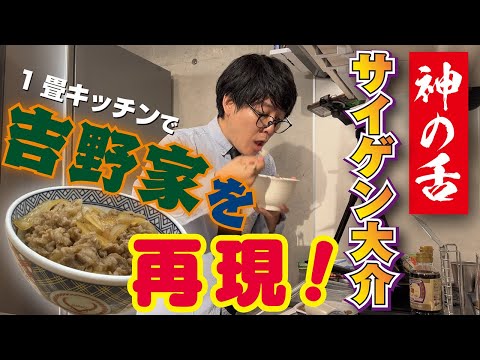
Yasuyoshi Asuwa (aka Saigen Daisuke) shares his ultimate copycat recipe for Yoshinoya's famous beef bowl (Gyudon). The key to replicating the signature flavor is a complex broth combining kelp dashi, Chinese soup stock, and Korean beef dashida, along with white wine for a subtle fruity aroma. By gently spreading and cooking the beef slices one by one in a sub-boiling sauce, the meat stays incredibly tender. You can adjust the onion texture to your liking—crunchy at 10 minutes or melt-in-your-mouth soft at 20 minutes. Letting it cool and reheating it deepens the flavor even further. This recipe is so accurate it easily stands up to the real thing!
Introduction to 阿諏訪泰義の「あすわ我が味」 →
Tips for Making "Yoshinoya-Style Beef Bowl (Gyudon)"
-
Ingredients
- Combining kelp dashi, Chinese soup stock, and Dashida creates the complex savory depth and rich beef flavor unique to Yoshinoya. Dashida is the most crucial key ingredient.
-
Ingredients
- Using US beef short plate gets closest to Yoshinoya's cut, but Japanese beef adds extra richness and flavor.
-
Prep
- Cut the onion with the skin on, and wrap the remaining portion with the skin still on in plastic wrap to keep it fresh longer.
-
Prep
- Slice the onion slightly thick to match Yoshinoya's style.
-
Heat control
- Gently spread and submerge the beef slices one by one in a warm, sub-boiling sauce over low heat. Rapid heating will make the meat tough.
-
Simmering
- Simmering for 10 minutes after adding the onions keeps them crunchy, while 20 minutes makes them soft. Adjust to your preference.
-
Finishing
- Letting the dish cool completely after turning off the heat and then reheating it allows the onions to absorb the deep brown color and rich flavors.
-
Seasoning
- Adding 1 tbsp of white wine is key to replicating Yoshinoya's signature fruity aroma. White wine works much better than red wine.
-
Ratio
- The golden ratio of beef to onion is 2:1 (e.g., 200g of beef to 100g of onion).
Ingredients for "Yoshinoya-Style Beef Bowl (Gyudon)"
9 items* Tap ingredient names to find on Amazon
How to Make "Yoshinoya-Style Beef Bowl (Gyudon)"
- 1
Cut the onion with the skin still on, slicing it slightly thick to match Yoshinoya's style. Wrap the remaining onion with the skin on in plastic wrap to store.
- 2
Pour 350ml of water into a pan, then add 1 tsp of kelp dashi, 1 tsp of Chinese soup stock, and 2 tsp of Dashida.
- 3
Add 1 tbsp of white wine, 1 1/2 tbsp of soy sauce, and 1 1/3 tbsp of sugar, then mix well.
- 4
Heat the pan. Once the sauce starts to simmer gently, reduce the heat to low. Be careful not to let it boil.
- 5
Gently submerge 200g of sliced beef into the sauce one piece at a time, spreading them out with chopsticks. Never add the meat to a boiling sauce.
- 6
Once all the meat is in, add the 100g of sliced onion.
- 7
Simmer for about 10 minutes for a crunchy texture, or about 20 minutes for a soft, melt-in-your-mouth texture.
- 8
(Optional) Turn off the heat and let it cool completely, then reheat. This allows the flavors and color to penetrate the onions deeply, making it even more delicious.
- 9
Serve over a bowl of hot rice and enjoy.
Food Science
Combining the glutamic acid in kelp with the inosinic acid in beef and Dashida triggers a synergistic umami effect, creating a deep, savory richness. Additionally, cooking the meat at a sub-boiling temperature (low heat) prevents the rapid coagulation of beef proteins and moisture loss, keeping the meat incredibly tender and juicy.
Detailed Commentary on "Yoshinoya-Style Beef Bowl (Gyudon)"
* Content organized by topics from the video.
The Legendary Copycat Recipe Returns!
Yasuyoshi Asuwa, also known as Saigen Daisuke, who previously wowed audiences with his copycat recipes on Japanese TV, is taking on a massive challenge: Yoshinoya's beef bowl. Replicating this national soul food is high-pressure because everyone knows exactly how it tastes. However, Asuwa is confident, revealing that he is using a secret ingredient he couldn't show on TV due to broadcasting restrictions. As an avid camper, he often hears from people living in remote areas who miss the taste of the city. He passionately explains how copycat recipes can bring comfort to those places. His quest to achieve a 120% match begins here.
Onion Prep and Storage Hacks
This recipe is incredibly simple, with onions being the only ingredient that requires a knife. At the start, Asuwa shares a clever storage tip: when using only half an onion, cut it with the skin still on and wrap the unused half in plastic wrap. This keeps it fresh much longer than peeling it first. To match Yoshinoya's style, he slices the onion slightly thicker than other fast-food chains. While people are often divided between 'soft' and 'crunchy' onions, both Asuwa and director Kei happen to prefer them crunchy. Thus, they decide to go with a texture-retaining 'crunchy version' for this batch.
The Secret Ingredient: Dashida
To build the base broth, pour 350ml of water into a pan and add 1 tsp of Japanese kelp dashi, followed by 1 tsp of Chinese soup stock. Combining Japanese and Chinese stocks might seem unusual, but it creates a complex, savory depth. Next comes the ultimate key ingredient: 2 tsp of Dashida, a Korean beef stock powder. Asuwa explains that TV rules restricted him to common household ingredients, meaning he couldn't use Dashida on air. However, he insists that Dashida is absolutely essential to replicating the deep, rich beef flavor unique to Yoshinoya.
The Magic of White Wine
Yoshinoya's beef bowl sauce has a distinct, slightly fruity aroma. To crack this secret, Asuwa experimented with red wine and various spirits, ultimately finding that white wine yielded the closest match. He adds 1 tbsp of white wine, 1.5 tbsp of soy sauce to ground the flavor, and a little over 1 tbsp of sugar for sweetness. While the sauce looks simple, the combination of sweet and savory notes, the fruitiness of the white wine, and the complex blend of stocks recreate that signature deep flavor. Once all the seasonings are in, it's time to heat the sauce.
Pro Technique for Ultra-Tender Beef
Once the sauce is gently simmering, it's time to add the star ingredient: 200g of sliced beef short plate. Asuwa emphasizes the most crucial rule here: never add the meat to a boiling sauce. Rapid heating causes the meat fibers to contract and toughen. Instead, lower the heat and gently submerge the beef slices one by one, spreading them out with chopsticks. Though it takes a bit of effort, this slow-cooking technique ensures the beef stays incredibly tender, just like at the restaurant. While US beef is best for matching Yoshinoya's cut, Asuwa uses Japanese beef today, smiling as he notes, 'This might actually make it taste even better!'
The 2:1 Golden Ratio and Simmering Times
After adding all the beef, toss in the 100g of sliced onion. Asuwa shares that the golden ratio of beef to onion is 2:1. From here, you can control the texture of the onions by adjusting the simmering time. Simmering for 10 minutes keeps them crunchy, while 20 minutes makes them soft and fully infused with the sauce. For the ultimate restaurant look, turn off the heat, let it cool completely, and then reheat it; this stains the onions a beautiful deep brown. 'Listen to the onion in your heart to find your perfect cooking time,' Asuwa jokes.
The Ultimate Taste Test: Copycat vs. Real
Just before serving, director Kei surprises Asuwa with a real Yoshinoya beef bowl ordered via Uber Eats, leading to an impromptu side-by-side taste test. After taking a bite of the original to refresh his memory, Asuwa nods, 'It's so good, slightly sweet.' Next, he tries his copycat version made with Japanese beef. The moment he tastes it, he exclaims, 'Delicious! The flavor is incredibly close!' The sweetness of the Japanese beef fat makes it taste even richer than the original, while the sauce replication is flawless. The Dashida—which he couldn't use on TV—proves to be a game-changer, perfectly recreating Yoshinoya's signature deep beef flavor.
About 阿諏訪泰義の「あすわ我が味」

阿諏訪泰義の「あすわ我が味」
1.8万人 subscribers ・ 家庭料理/再現レシピ
* Opens YouTube channel
* Subscriber count is as of article creation and may differ from the current number.
