

Recipe
[Kasahara Style] Simmered Fish in Just 10 Mins?! Pro Techniques for Delicious Homemade Simmered Fish

Ingredients
- 1bone-in fillet of splendid alfonsino (kinmedai)
- 400ml water
- 50ml sake
- 50ml mirin
- 2tbsp sugar
- 50ml soy sauce
- 1burdock root
- Momen(firm) tofu, to taste
- Shiraganegi (shredded scallion), to taste
About "Simmered Fish (Simmered Splendid Alfonsino / Kinmedai)"
Japanese cuisine chef Masahiro Kasahara shares his secrets for making perfect simmered fish, a dish often considered difficult to master at home. The key points are choosing bone-in fish, parboiling (shimo-furi) to remove odors, using the 8:1:1 golden ratio of water, sake, and mirin, and enhancing the flavor with burdock root. Without using any dashi stock, you can make incredibly tender and delicious simmered fish in just 10 minutes.
Introduction to 菰田欣也の中華教えちゃいます‼︎ →
Tips for Making "Simmered Fish (Simmered Splendid Alfonsino / Kinmedai)"
-
Fish Selection
- Choose bone-in fillets. Fish cut with the bone left on one side shrinks less, preventing it from falling apart, and releases rich umami into the sauce.
-
Prep
- Thoroughly remove odors and scales via parboiling (shimo-furi). Submerge in boiling water for a few seconds, transfer to cold water, gently wash, and pat completely dry.
-
Seasoning
- Simmer with an 8:1:1 ratio of water, sake, and mirin without dashi. Ginger is unnecessary for fresh fish; use burdock root instead to enhance the flavor with its earthy aroma.
-
Heat Control
- Once boiling, thoroughly skim the scum, add sugar first, then soy sauce. Cook between medium and high heat, letting the bubbles circulate to keep the fish tender.
-
Cooking Time
- Ready in just 10 minutes. Simmering for too long makes the fish tough, so rapid cooking in a short time is a golden rule.
Ingredients for "Simmered Fish (Simmered Splendid Alfonsino / Kinmedai)"
9 items* Tap ingredient names to find on Amazon
How to Make "Simmered Fish (Simmered Splendid Alfonsino / Kinmedai)"
- 1
Parboil (Shimo-furi) for prep
Bring water to a boil in a pot. Place the splendid alfonsino on a skimmer, submerge it for a few seconds until the surface turns white, then immediately transfer to ice water. Gently wash away any remaining scales and blood with your fingertips in the cold water, then pat completely dry with paper towels.
- 2
Cut the burdock root
Cut the burdock root into 4–5 cm lengths, then slice them lengthwise into quarters. This helps them cook quickly and releases their aroma.
- 3
Prepare the simmering liquid
In a wide frying pan, combine 400 ml water, 50 ml sake, and 50 ml mirin to create the golden ratio simmering liquid. Do not use any dashi stock.
- 4
Arrange the fish and burdock root
Place the splendid alfonsino in the cold simmering liquid without overlapping, and arrange the burdock root in the gaps. Overlapping the fish causes uneven cooking and can make it fall apart.
- 5
Bring to a boil and skim the scum
Bring to a boil over heat. Without using a drop-lid (otoshibuta) yet, thoroughly skim off the meringue-like scum that rises to the surface. The fishy odor will evaporate along with the alcohol from the sake and mirin.
- 6
Add sugar and soy sauce
After skimming the scum, add 2 tbsp sugar and simmer briefly, then add 50 ml soy sauce. Cover with a drop-lid made of aluminum foil, and keep the heat between medium and high.
- 7
Simmer rapidly for 10 minutes
Let the liquid boil vigorously so the bubbles circulate, ensuring the simmering liquid coats the top of the fish. Simmer rapidly for 10 minutes. This is a professional technique to keep the fish tender and fluffy without making it tough.
- 8
Plate and serve
Plate the cooked splendid alfonsino and serve with the simmered burdock root and firm tofu. Top with shredded scallion (shiraga negi) and generously drizzle the rich, flavorful sauce left in the pan over the dish.
Food Science
The combination of inosinate, which is abundant in splendid alfonsino, and glutamate in soy sauce creates a powerful umami synergy. Additionally, the sweetness of sugar and mirin harmonizes with the saltiness of soy sauce, creating an excellent balance of the five basic tastes. Furthermore, cooking the fish quickly prevents the proteins from over-coagulating and losing moisture, resulting in a wonderfully tender and fluffy texture.
Detailed Commentary on "Simmered Fish (Simmered Splendid Alfonsino / Kinmedai)"
* Content organized by topics from the video.
Epic Collab! Chef Kasahara Joins Komokin Channel
Chef Masahiro Kasahara, a trailblazer in the Japanese culinary world, appears as a guest on the channel of Chinese cuisine master Chef Kinya Komoda. Although Chef Komoda's '10-Knock' series had concluded, Chef Kasahara joined for an extra '11th knock' due to passionate viewer demand to share his Japanese culinary mastery. The two chefs are close friends in private; Chef Kasahara mentions he often studies Chinese cooking through Chef Komoda's channel, while Chef Komoda expresses his excitement to learn Japanese techniques. Today's dish is simmered fish, a household staple that is notoriously difficult to perfect. Chef Kasahara guarantees that his techniques will make any fish taste dramatically better.
Pro Fish Selection Tips to Prevent Falling Apart
Chef Kasahara uses splendid alfonsino (kinmedai), a premium fish perfect for simmering. When buying fillets at the supermarket, he strongly recommends choosing bone-in cuts. Fillets cut with the backbone left on one side shrink less during cooking, which prevents the fish from falling apart. Furthermore, the natural umami from around the bone dissolves into the simmering liquid, dramatically boosting the final flavor. Chef Komoda agrees from a Chinese culinary perspective, noting that 'even with chicken, bone-in cuts shrink less and yield more flavor.' While some might find bones troublesome, choosing bone-in fillets is the key to making truly delicious simmered fish.
The Art of Shimo-furi to Remove Odors & Scales
The most crucial prep step for delicious simmered fish is shimo-furi (parboiling). First, bring water to a boil in a pot, then turn off the heat. Place the splendid alfonsino fillet on a skimmer, submerge it in the hot water for a few seconds until the surface turns white, and immediately transfer it to cold water. This process not only removes surface odors, excess fat, and scum, but also loosens any fine scales remaining around the skin and fins, making them easy to remove. In the cold water, gently wash away the scales and blood with your fingertips without damaging the flesh. Finally, patting the fish completely dry with paper towels is absolutely critical. Any remaining moisture will cause the fishy odor to return, so dry it thoroughly.
No Dashi Needed! The Golden 8:1:1 Ratio
The biggest surprise of the Kasahara style is that dashi stock is not used at all. While many people tend to use bonito or kelp dashi, the fish itself releases plenty of delicious flavor, so adding extra dashi would only clash with the fish's natural taste. All you need is water, sake, and mirin. The golden ratio is 8 parts water : 1 part sake : 1 part mirin. For this recipe, combine 400 ml water, 50 ml sake, and 50 ml mirin in a frying pan. Once you master this ratio, you can apply it to any simmered fish, such as sea bream, yellowtail, black cod, or Spanish mackerel. Chef Komoda was deeply impressed by this minimalist approach, agreeing that 'using dashi with fish can cause flavors to clash, so simmering with just water and sake makes perfect sense.'
No Ginger? The Power of Burdock Root
While ginger is a classic ingredient used to mask fishy odors, Chef Kasahara asserts that ginger is unnecessary if the fish is fresh. Adding ginger from the start can introduce bitterness and overpower the delicate flavor of the fish. Instead, Chef Kasahara always adds burdock root. Burdock root not only tempers any fishiness but also acts as a perfect supporting player, its earthy aroma dramatically enhancing the fish's umami. To ensure it cooks quickly, cut the burdock root into 4–5 cm lengths and slice them lengthwise into quarters. Arrange the splendid alfonsino in the cold simmering liquid without overlapping, place the burdock root in the gaps, and turn on the heat. Using a wide frying pan is key, as overlapping the fish causes uneven cooking and leads to falling apart.
Simmered Fish in 10 Mins! Rapid Cooking Heat
Believing that simmered fish requires long cooking is a common mistake; Chef Kasahara says 10 minutes is more than enough. Once the liquid boils, first thoroughly skim off the meringue-like scum that rises to the surface. At this stage, the fishy odor evaporates along with the alcohol from the sake and mirin, so it is a golden rule not to use a drop-lid at first. After skimming, add 2 tbsp of sugar, simmer briefly, and then add 50 ml of soy sauce. At this point, cover with an aluminum foil drop-lid and keep the heat between medium and high. Letting the liquid boil vigorously to circulate the bubbles and coat the top of the fish is a professional technique to cook it rapidly, keeping the flesh incredibly tender and fluffy.
Tasting Review: Tender Fish and Exquisite Sauce
Plate the cooked splendid alfonsino along with the simmered burdock root and firm tofu, which pairs beautifully with this dish. Top with shredded scallion (soaked in water and sliced diagonally) and generously drizzle the exquisite sauce remaining in the pan. Upon tasting, Chef Komoda was amazed by the tenderness the moment his chopsticks touched the fish, raving, 'The flesh is incredibly fluffy, and the natural flavor of the splendid alfonsino really shines through!' Instead of simmering the fish until it turns brown all the way through, the proper way to enjoy simmered fish is to keep the flesh white and tender, coating it with the rich sauce as you eat. The leftover sauce is incredibly versatile and can be diluted with hot water to make a soup or reused to simmer other ingredients.
About 菰田欣也の中華教えちゃいます‼︎
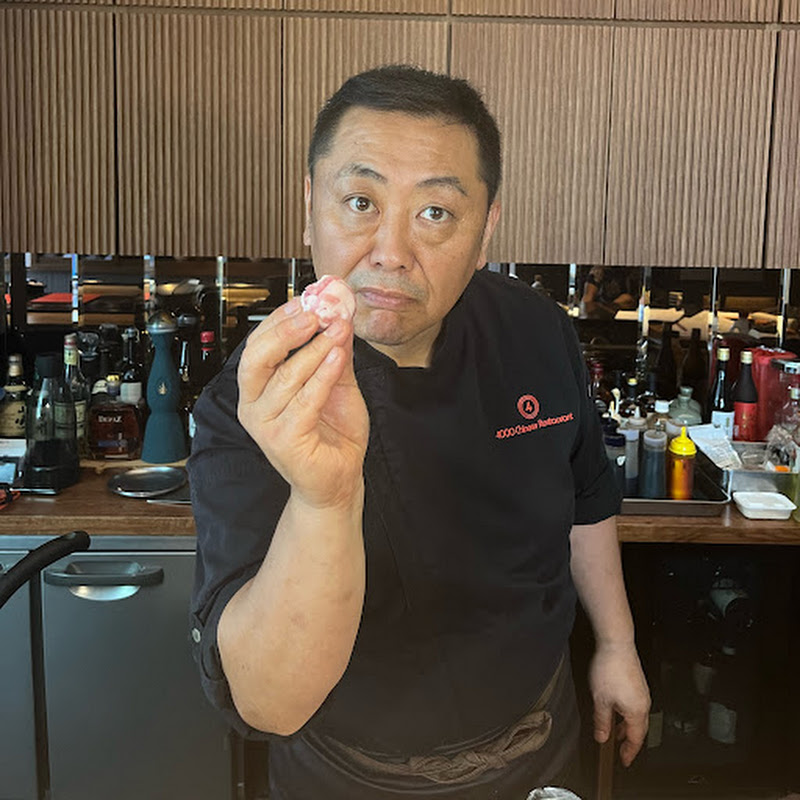
菰田欣也の中華教えちゃいます‼︎
7.2万人 subscribers ・ 中華
* Opens YouTube channel
* Subscriber count is as of article creation and may differ from the current number.
