

Recipe
Wild Eel: Under 0.1% Market Share | A Master Chef on Its True Appeal & How to Use the Bones

Ingredients
- 1wild eel (approx. 400g)
- Eelbones (after filleting)
- Eelliver (after filleting)
- Sake(for bone broth)
- Fryingoil (for bone crackers)
About "Wild Eel Dishes (Kabayaki, Liver Soup, and Bone Crackers)"
A master chef with 50 years of experience in Japanese cuisine explains the rarity, handling, and cooking differences of wild eel. Wild eel is entirely different from farmed eel, requiring careful assessment of steaming times, aging, and regional characteristics. By meticulously prepping and extracting broth from the bones, you can use them for liver soup (Kimosui) and bone crackers (Hone-senbei). The chef reveals the surprising fact that the star of liver soup is actually the bone broth, with the liver added only at the very end. Rather than a step-by-step recipe, this video shares deep knowledge and culinary philosophy regarding wild eel.
Tips for Making "Wild Eel Dishes (Kabayaki, Liver Soup, and Bone Crackers)"
-
Selecting Eel
- Wild eels vary greatly depending on their origin, diet, and water quality. Sea eels from Amakusa, Kumamoto, feed on mud shrimp, so they have no muddy odor and do not require purging. Freshwater eels from Kasumigaura feed on earthworms and small fish, requiring purging.
-
Season & Sourcing
- The wild eel season is mainly from May to October. After November, their movement slows down, making them nearly impossible to catch. Fishing methods include hook-setting and cylindrical traps.
-
Prep (Aging)
- Wild eel does not release umami if grilled immediately after filleting. It must go through rigor mortis and age in the refrigerator for 3 to 4 days to develop its flavor. Farmed eel, however, is best grilled immediately after filleting.
-
Steaming Time
- While a 400g farmed eel only needs 15 to 20 minutes of steaming, a wild eel of the same size requires at least 1 hour of gentle steaming to soften the flesh and bones.
-
Bone Prep (Broth)
- Scrub away blood from the filleted bones with a brush, blanch them, and shock them in cold water. Then, arrange them on a strainer and dry them thoroughly for a full day to remove all moisture.
-
Making Bone Broth
- Roast the dried bones without oil, then simmer them gently with sake and other seasonings to create a concentrated, flavorful bone broth for eel sauce and liver soup.
-
Liver Soup
- The star of liver soup is the bone broth; the liver itself yields almost no flavor. Simmering the liver causes it to break down and release fat, ruining the soup. Simply place the cleaned liver in a bowl and pour the hot bone broth over it.
-
Bone Crackers
- The most important step is to dry the bones completely to remove all moisture. Once dried, a single quick fry in low-temperature oil makes them perfectly crispy. Repeated frying makes them greasy and destroys their calcium content.
Ingredients for "Wild Eel Dishes (Kabayaki, Liver Soup, and Bone Crackers)"
5 items* Tap ingredient names to find on Amazon
How to Make "Wild Eel Dishes (Kabayaki, Liver Soup, and Bone Crackers)"
- 1
[Aging Wild Eel] After filleting the eel, do not cook it immediately. Let it go through rigor mortis and age in the refrigerator for 3 to 4 days to bring out its umami.
- 2
[Cleaning & Blanching Bones] Scrub away any remaining blood on the filleted bones using a brush. Next, blanch them in boiling water, then plunge them into ice water to completely remove any fishy odor.
- 3
[Drying Bones] Arrange the blanched bones on a strainer and dry them thoroughly for a full day to completely remove moisture.
- 4
[Making Bone Broth] Roast the dried bones without oil, then simmer them gently with sake and other seasonings to extract a concentrated, flavorful bone broth. Use this as the base for liver soup or eel sauce.
- 5
[Steaming Wild Eel] Steam the aged eel. Since wild eel has firmer flesh and bones, steam it gently for at least 1 hour. (Farmed eel only takes about 15 to 20 minutes.)
- 6
[Grilling (Kabayaki)] Brush the steamed eel with sauce and grill it to finish.
- 7
[Finishing Liver Soup] Clean and prep the liver, then place it in a bowl. Pour the hot bone broth over it to finish. Do not simmer the liver in the broth.
- 8
[Making Bone Crackers] Deep-fry the thoroughly dried bones once in low-temperature oil until crispy. Avoid frying multiple times, as they will absorb too much oil.
Detailed Commentary on "Wild Eel Dishes (Kabayaki, Liver Soup, and Bone Crackers)"
* Content organized by topics from the video.
Wild Eel: Under 0.1% Share & Limited Season
Wild eel accounts for less than 0.1% of all eel distributed in Japan, making it an extremely rare delicacy. As a Japanese chef who loves working with wild eel, the master passionately discusses its appeal and handling. Wild eel cannot be caught year-round; they are inactive during midwinter and cannot be harvested. The main season runs from May to October, with supply surging around May as water temperatures rise. Fishing methods include 'hari-gake' (setting hooks in rivers) and 'do' (using cylindrical traps). After November, their movement slows down, making them nearly impossible to catch even with traps. Thus, wild eel is a seasonal treasure that can only be enjoyed during a limited window.
The Secret of Steaming: Farmed vs. Wild Eel
The master emphasizes that farmed and wild eels are 'entirely different beasts' and cannot be prepared the same way. This difference is particularly striking during the steaming process, which is common in the Kanto style. For example, when cooking a large eel weighing around 400g, a farmed eel becomes perfectly tender after steaming for just 15 to 20 minutes. However, if you steam a wild eel of the same size for the same duration, the flesh remains tough and practically inedible. To soften the meat and bones of a wild eel to make it delicious, it must be steamed gently for at least an hour. Without understanding this preparation difference, you cannot bring out the true potential of wild eel.
The Aging Process to Maximize Umami
The timing of cooking after filleting is also completely opposite for farmed and wild eels. Farmed eel is best grilled immediately after filleting while it is fresh. However, if you grill freshly filleted wild eel right away, you won't taste any umami. For wild eel, an aging process is essential: after filleting and letting it go through rigor mortis, it must be rested in the refrigerator for 3 to 4 days. This resting period gradually coaxes out the eel's natural umami compounds. Only after the flavor has fully developed do you proceed to steaming and grilling. This time-consuming, meticulous approach is the key to elevating wild eel to an exquisite culinary masterpiece.
How Origin and Diet Shape Wild Eel Flavor
Even among wild eels, the texture and flavor vary dramatically depending on their environment and diet. The master points to Lake Biwa in Shiga, the Kasumigaura water system in Ibaraki, and his personal favorite, the 'sea eel' from Amakusa, Kumamoto. Amakusa's sea eels grow up in clean ocean waters feeding on mud shrimp, meaning they have absolutely no muddy odor and require no purging before cooking. On the other hand, eels raised in freshwater areas like Kasumigaura, which feed on earthworms and small fish, require a certain amount of purging to remove impurities. Because their characteristics differ so much based on diet and water quality, a chef must carefully assess each eel's condition and adapt the cooking method accordingly.
Making Rich Broth from Flavor-Packed Bones
In eel cuisine, the bones play just as crucial a role as the flesh. The master explains that the bones of eel and daggertooth pike conger (hamo) yield incredible broth and should never be thrown away. To extract an exquisite broth, meticulous prep is required. First, scrub away any remaining blood on the filleted bones using a brush. Next, blanch them briefly in boiling water and plunge them into cold water to completely eliminate any fishy smell. After that, arrange them on a strainer to dry thoroughly for a full day until all moisture is gone. By roasting these dried bones without oil and simmering them gently with sake, you create a concentrated, premium bone broth used as the base for eel sauce and liver soup.
The Truth: Eel Liver Does Not Yield Broth
The master reveals a surprising truth about 'kimosui' (eel liver soup), an essential accompaniment to unaju. While many believe the rich flavor comes from the liver itself, eel liver actually yields almost no broth. The key to a delicious liver soup is the broth meticulously prepared beforehand from the eel bones. The liver itself is simply cleaned, prepped, and placed directly into the serving bowl before the hot broth is poured over it. If you try to simmer the liver in a pot to extract broth, it will break down and release excess fat, making the soup unpalatably greasy. The true star of liver soup is the clear, deeply flavorful broth extracted from the bones.
How to Make Nutritious, Crispy Bone Crackers
While bone crackers (hone-senbei) are a popular snack, the master criticizes many of the versions found commercially. Crackers that are fried repeatedly to soften the bones become greasy, releasing oil when squeezed. This means the bones have simply absorbed oil, leaving almost no nutritional value like calcium. To make authentic bone crackers, the absolute key is to dry the bones thoroughly to remove all moisture. Once dried, there is no need to fry them multiple times; a single quick fry in low-temperature oil yields a light, crispy texture. This is the authentic way to make bone crackers—preserving the calcium while showcasing true craftsmanship.
About 大将に聞いてみた!
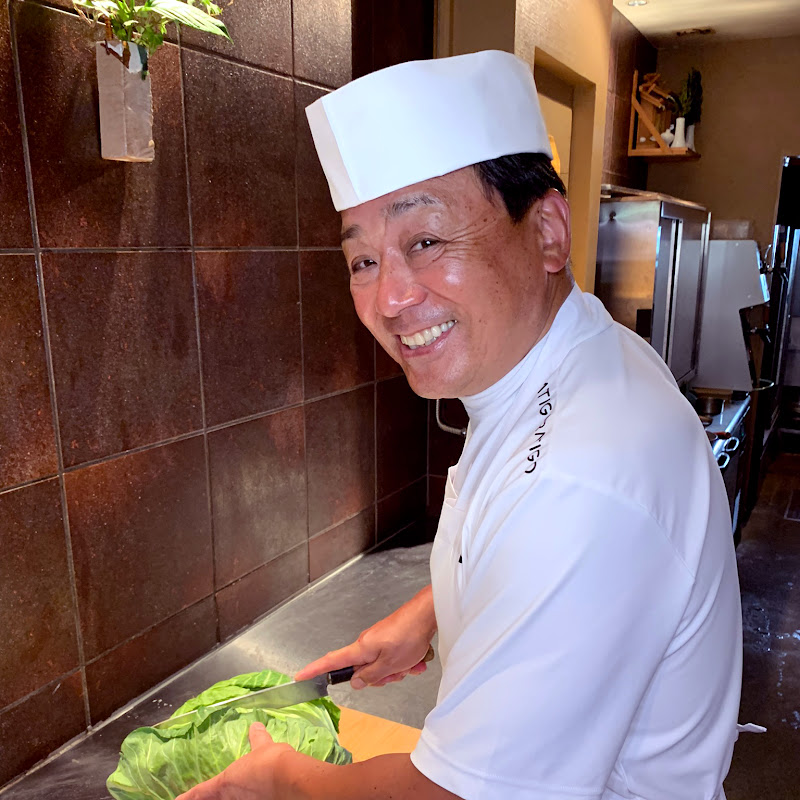
大将に聞いてみた!
2.1万人 subscribers ・ 日本料理・和食
* Opens YouTube channel
* Subscriber count is as of article creation and may differ from the current number.
