

Recipe
The Best Crab According to a Master Chef | How to Fully Enjoy Live Swimming Crab

Ingredients
- Livefemale swimming crabs, to taste
- Naturalsalt (rich in minerals), to taste
- Icewater, to taste (for removing impurities)
About "Steamed Live Swimming Crab and Salted Crab Roe (Uchiko Shiokara)"
In this video, a Japanese chef with 50 years of experience demonstrates how to prepare live female swimming crab, from cleaning and steaming to making salted crab roe (shiokara). Since swimming crabs live in sandy shallows, thorough cleaning is essential. Steaming instead of boiling yields a fluffy, chestnut-like texture. The chef shares professional tips, such as never stacking the steamer baskets and slightly offsetting the lid. Finally, the crab roe (uchiko) is carefully cured with natural salt to create a mild, rich shiokara.
Tips for Making "Steamed Live Swimming Crab and Salted Crab Roe (Uchiko Shiokara)"
-
Ingredients
- Female swimming crabs in season (late March to late May) are packed with roe and are exceptionally delicious. Males become tastier in early autumn.
-
Prep
- Since swimming crabs live in sandy areas, they contain a lot of sand. Thoroughly scrub the shell, legs, and apron area under running water with a brush.
-
Prep
- Fresh, live crabs have firm meat, so there is no need to worry about water seeping inside during washing.
-
Cleaning Roe
- Place the roe and tomalley in a strainer and rinse gently under running tap water. Always keep the strainer chilled over ice water, repeating 3 to 4 times until the water is completely clear.
-
Cleaning Roe
- Fresh roe from live crabs will not dissolve when washed in fresh water. Skipping this step will cause the salted roe to look cloudy.
-
Seasoning
- Season the crab by sprinkling salt directly onto exposed meat, such as the leg joints and the cut surfaces of the halved body.
-
Steaming
- Always steam swimming crabs instead of boiling them. Boiling makes the meat too tough, while steaming keeps it fluffy and tender.
-
Steaming
- Steam with the lid slightly offset to let steam escape. Avoiding high pressure keeps the meat tender.
-
Steaming
- Never stack steamer baskets. Bitter, smelly liquid dripping from the top tier will ruin the crabs below, so always steam in a single layer.
-
Breaking Down
- The inner shell of a swimming crab is thin and delicate, so break it apart by hand instead of using a knife. Apply pressure between the legs to snap it open.
-
Breaking Down
- The muscular meat at the base of the swimming legs is the most active and delicious part. Breaking it by hand allows you to enjoy this portion whole.
-
Curing Roe
- Always use mineral-rich natural salt instead of refined table salt for curing. Refined salt causes a harsh chemical reaction, making the flavor too sharp.
-
Curing Roe
- Do not add all the salt at once. Repeat the process of salting, mixing, and refrigerating to draw out moisture 4 to 5 times over about 5 hours.
-
Storage
- The finished salted roe is preservative-free and keeps in the fridge for 4 to 5 days. The flavor melds and improves on the second day.
Ingredients for "Steamed Live Swimming Crab and Salted Crab Roe (Uchiko Shiokara)"
3 items* Tap ingredient names to find on Amazon
How to Make "Steamed Live Swimming Crab and Salted Crab Roe (Uchiko Shiokara)"
- 1
[Prep 1: Cleaning] Hold the live swimming crab and scrub the shell and crevices between the legs thoroughly with a scrubbing brush under running water.
- 2
[Prep 2: Removing the Apron] Pull back and remove the apron (the flap on the underside of the belly). Scrub the exposed area thoroughly with the brush.
- 3
[Extracting Roe and Tomalley] Remove the top shell, scoop out the inner roe (uchiko) and tomalley (crab paste), and place them in a fine-mesh strainer.
- 4
[Removing Impurities from Roe] Gently rinse the roe and tomalley in the strainer under a gentle stream of tap water. Place the strainer over a bowl of ice water to keep it cold, changing the water 3 to 4 times until it runs completely clear to thoroughly remove any impurities.
- 5
[Salting] Generously sprinkle natural salt directly onto the exposed meat, such as the joints where the legs were removed and the cut surfaces of the halved body, to season.
- 6
[Steaming (Single Layer Only)] Prepare a steamer and arrange the crab in a single layer (never stack them). Steam with the lid slightly offset to let steam escape, avoiding any pressure buildup.
- 7
[Checking Doneness] Once steamed, check that the impurities have dripped down to the bottom of the steamer. The crab is done when the meat is fluffy and has a chestnut-like texture.
- 8
[Breaking Apart by Hand] Break the steamed crab apart by hand without using a knife. Hold the spaces between the legs and apply pressure to snap it open. Carefully remove the muscular meat at the base of the swimming legs by hand.
- 9
[Curing Roe 1: Initial Salting] Sprinkle natural salt over the rinsed and drained roe, then gently mix it in with your fingertips.
- 10
[Curing Roe 2: Repeated Dehydration] Place the salted roe in the refrigerator to rest, then drain off any extracted liquid. Repeat this process of salting, mixing, and refrigerating 4 to 5 times (taking about 5 hours in total).
- 11
[Finishing & Storage] Once the moisture is thoroughly drawn out and the rich, mellow umami is concentrated, it is complete. Store in the refrigerator; it tastes best from the next day onward (keeps for 4 to 5 days in the fridge).
Detailed Commentary on "Steamed Live Swimming Crab and Salted Crab Roe (Uchiko Shiokara)"
* Content organized by topics from the video.
The Allure of Swimming Crab: The Chef's Favorite
While the opening of the snow crab season in November always makes major headlines and generates excitement, the swimming crab is what this chef of 50 years declares to be the most delicious of all crabs. Though often perceived as lower in rank compared to snow crab, its flavor is truly exceptional. Swimming crabs inhabit shallow sandy areas and are unique for swimming around using large, paddle-like back legs. Because they are highly active and feed on strong prey using their powerful claws, their meat is firm and packed with rich umami. Swimming crabs have distinct peak seasons that differ for males and females. The females cooked today are in season from late March to late May, during which they carry an abundance of roe (uchiko) inside their shells. Female crabs during this period are absolutely exquisite. On the other hand, come early autumn, the males become incredibly delicious as their bodies pack tightly with sweet meat.
Prepping Roe for a Vibrant Orange Color
When you remove the top shell of a swimming crab, you will find plenty of roe (uchiko) and grayish tomalley (crab paste) inside. We will use these to make an exquisite salted preserve (shiokara), but thorough cleaning is essential to achieve a beautiful, vibrant orange finish. First, place the roe and tomalley scooped from the shell into a strainer, and gently rinse them under running tap water, changing the water multiple times. Since tap water temperature varies by season, it is crucial to perform this while keeping the strainer chilled over a bowl of ice water. Repeat this process 3 to 4 times, changing the water completely until the ice water underneath remains perfectly clear. Skipping this step will result in a cloudy, dull color when made into shiokara. While it might look like the roe will dissolve in water, the fresh roe of a live crab holds together firmly, so washing it in fresh water is perfectly fine.
Thorough Prep for Sand-Dwelling Crabs
Because swimming crabs live in shallow sandy seabeds, they tend to hold a lot of sand compared to other crabs. Therefore, thorough cleaning before cooking is extremely important. First, before removing the legs, use a scrubbing brush under running water to clean the shell and the crevices between the legs. Next, pull back and snap off the 'apron' on the belly. Since sand and debris easily accumulate in the area beneath the apron, scrub this part thoroughly with the brush as well. You might worry that water will seep into the meat during this process, but the meat of a fresh, live crab is tightly sealed, so there is no risk of water getting inside. Once thoroughly rinsed, sprinkle salt directly onto the exposed meat—such as the joints where the legs were removed and the cut surfaces of the halved body—to season it.
Steaming Gently Without Pressure
When cooking live swimming crab, the chef always chooses to steam rather than boil. Because swimming crabs are active swimmers, their meat is highly muscular and firm. Boiling them normally would cause the meat to tighten up and become too tough. Instead, we heat them gently using a steamer. The key secret to steaming is to slightly offset the steamer lid to let the steam breathe. By avoiding high pressure inside the steamer and letting the steam escape, the heat penetrates gently, softening the strong muscle fibers and resulting in a fluffy, chestnut-like texture. Additionally, the pre-applied salt penetrates deep into the meat, drawing out the crab's natural umami to its absolute limit. This exquisite control of heat and steam is a professional technique the chef perfected over several decades.
The Taboo of Stacking Steamer Baskets
Using a two-tiered steamer to cook a large batch of crabs at once—a common practice in home kitchens and some restaurants—is a strict taboo according to the chef. As crabs steam, they inevitably release impurities, excess moisture, and a characteristic slimy foam. If you stack the steamer baskets, the bitter, smelly liquid dripping from the top tier will fall directly onto the crabs in the bottom tier. This completely ruins the crabs that were so carefully cleaned and prepped. When the chef steams crabs, he always uses a single tier with nothing stacked underneath. Looking at the bottom of the steamer after cooking, you can see the cloudy, foul-smelling liquid that has dripped down. To completely eliminate these off-flavors and deliver only the pure, clean taste of the crab, single-tier steaming is a non-negotiable rule.
No Knives Needed: Breaking Crabs by Hand
When breaking down the steamed swimming crab, the chef barely uses a knife. While horsehair crabs or snow crabs require a knife to crack open their hard shells, the inner shell of a swimming crab is extremely thin and delicate, almost like crisp, thin plastic. If you use a knife here, the shell will shatter into tiny fragments and mix into the meat, ruining the texture. Therefore, breaking swimming crabs apart by hand is the golden rule. If you hold the spaces between the legs and apply pressure, it will cleanly snap open. In particular, the muscular meat at the base of the swimming legs—shaped like a chicken wingette—is the most active part of the crab, making it the firmest and most delicious portion. By carefully removing it by hand without a knife, you can enjoy this premium cut entirely whole.
Curing Exquisite Roe with Mineral-Rich Salt
The highlight of this preparation, the salted crab roe (uchiko shiokara), is a secret recipe the chef has been making for decades. This time, we are using only the luxurious roe, without mixing in the tomalley. For the salt, you must never use refined table salt. Refined salt causes a harsh chemical reaction that makes the flavor sharp and unpleasant; you must use real, mineral-rich natural salt. Sprinkle the salt over the drained roe and gently mix it with your fingertips. Instead of dumping all the salt in at once, carefully repeat the process of salting, mixing, and letting it rest in the refrigerator to draw out moisture 4 to 5 times. This dehydration process takes about 5 full hours. By slowly drawing out the moisture, the saltiness becomes mellow rather than sharp, concentrating the rich, deep umami into the king of salted preserves. Although preservative-free, it keeps in the refrigerator for 4 to 5 days, and the flavor melds and improves even more on the second day.
About 大将に聞いてみた!
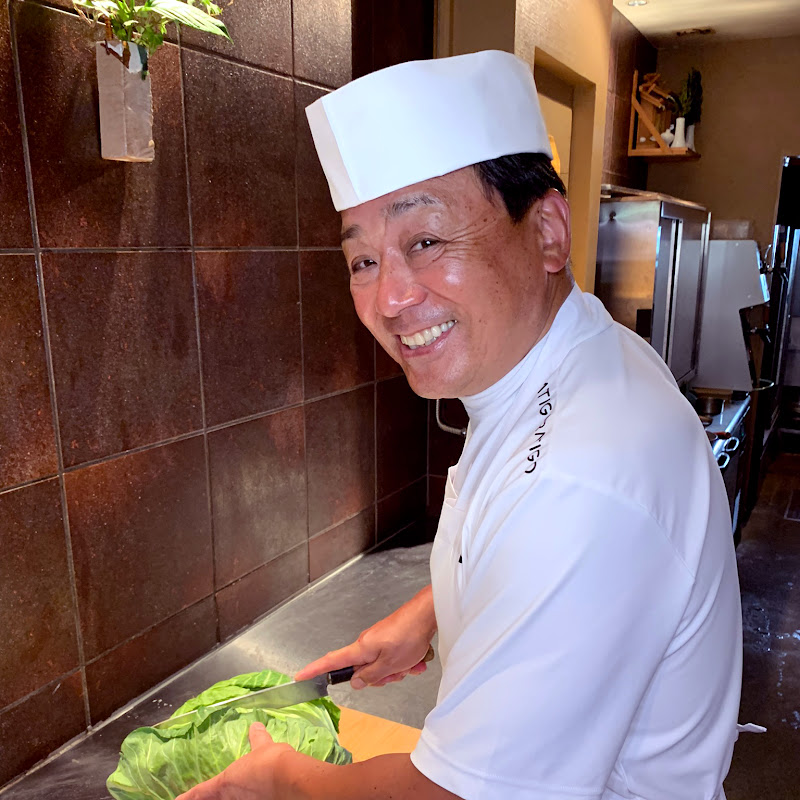
大将に聞いてみた!
2.1万人 subscribers ・ 日本料理・和食
* Opens YouTube channel
* Subscriber count is as of article creation and may differ from the current number.
