

Recipe
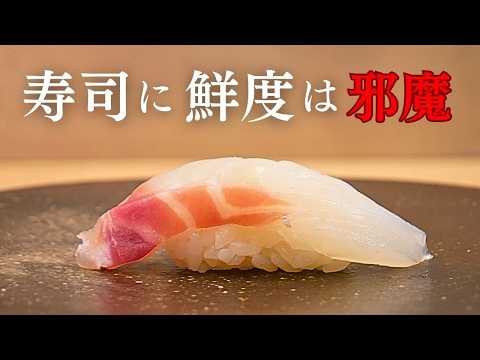
Why Freshness Ruins Sushi | How to Age White Fish
Ingredients
- 1whole white fish (sea bream)
- Salt,to taste
- Saltwaterice bath, to taste
About "Aged White Fish Nigiri Sushi"
Explaining the paradox of why freshly caught white fish is too fresh for sushi. We demonstrate the entire process starting from ikejime (nerve-tightening), followed by dehydration (curing), airtight storage in saltwater ice water, and 3 days of aging to soften the flesh and concentrate the umami. Through aging, muscle fibers break down, resulting in the ultimate nigiri sushi where the topping and sushi rice harmonize perfectly.
Introduction to 蒼の鮨 sushi-chef ao →
Tips for Making "Aged White Fish Nigiri Sushi"
-
Prep
- Using sea bream prepared with ikejime prevents muscle deterioration and self-digestion, maintaining the ideal state for aging.
-
Prep
- When carefully removing the belly and pin bones, the firm flesh of ultra-fresh fish requires a technique of removing them gradually in multiple steps.
-
Prep
- Dehydration: Prop a salted tray at an angle and refrigerate for 1 hour to drain excess moisture, preventing bacterial growth and preserving umami.
-
Storage
- After wiping surface moisture with paper towels, place in a bag, remove air (manually suck out air if no vacuum sealer is available), and store in a saltwater ice bath to prevent oxidation and bacterial growth.
-
Aging
- During the 3-day aging process, enzymes break down muscle fibers, softening the flesh to create harmony with the rice and dramatically enhancing the sea bream's sweetness.
-
Slicing
- The aged flesh becomes sticky and clings to the knife, requiring skill to slice. Do not use the tip of the tail due to its tough sinews.
-
Shaping
- Shaping the soft, aged flesh naturally creates a perfect harmony between the topping and the rice, resulting in a glossy, delicious nigiri.
Ingredients for "Aged White Fish Nigiri Sushi"
3 items* Tap ingredient names to find on Amazon
How to Make "Aged White Fish Nigiri Sushi"
- 1
Perform ikejime on the white fish (sea bream) to prevent muscle deterioration and self-digestion.
- 2
Remove the belly bones gradually in several steps, then remove the pin bones using a knife.
- 3
Place the sea bream on a tray sprinkled with salt, and sprinkle salt over the entire fillet.
- 4
Prop the tray at an angle and refrigerate for 1 hour to drain and dehydrate excess moisture.
- 5
After dehydration, carefully wipe off any surface moisture with paper towels.
- 6
Place the sea bream fillet in a bag, remove the air, and seal it tightly.
- 7
Submerge the sealed bag in a saltwater ice bath to store at a constant temperature.
- 8
Age for 3 days.
- 9
After aging, skin the fish and slice it into sushi toppings (do not use the tip of the tail).
- 10
Shape the aged fish into nigiri, harmonizing the topping with the sushi rice to complete.
Food Science
In sea bream where energy consumption is minimized through ikejime, ATP breaks down during 3 days of aging (enzymatic reaction), dramatically increasing inosinic acid, a key umami compound. Additionally, salting and dehydrating the fish in the refrigerator (moisture control) removes excess water, firming up the flesh and concentrating the umami. Furthermore, airtight storage at low temperatures prevents spoilage while promoting the increase of amino acids through self-digestion, transforming the fish into an exquisite delicacy.
Detailed Commentary on "Aged White Fish Nigiri Sushi"
* Content organized by topics from the video.
The Crucial Difference Between Sushi and Sashimi
There is a crucial difference between fish that tastes good as sashimi and fish that tastes good as sushi. Many people mistakenly believe that 'anything fresh is delicious,' but freshly caught white fish is not yet ready for sushi. Today, we have prepared a sea bream that was alive this morning and has undergone ikejime (nerve-tightening). By performing ikejime, we prevent muscle deterioration and self-digestion, keeping the fish in the perfect state for aging to draw out its umami. Touching this sea bream, you can feel the firm elasticity of the flesh. The fact that the flesh does not split at all even when bent firmly is proof of its freshness and firmness. I will now reveal in detail the reasons and techniques professionals use to evolve fish into sushi through aging.
Tasting Ultra-Fresh Sea Bream and Why It Fails
First, we begin with prepping the sea bream. Because the sea bream is so fresh, the belly bones are firmly attached and quite difficult to remove. Therefore, we remove them gradually in several steps. Furthermore, the flesh is so firm that the bones cannot be pulled out with tweezers, so we use a knife to remove the pin bones. Tasting a small piece of the flesh in this state, you get a very crunchy, firm texture. However, this texture is unsuitable for sushi. This is because the crunchy sea bream and the soft sushi rice fall apart in your mouth, losing all sense of unity. In its current state, the sea bream is suited for dishes where you enjoy the texture, like sashimi platters or carpaccio, but it requires aging to become sushi.
Dehydration to Concentrate Umami
To make it suitable for sushi, we perform a dehydration process to draw out excess moisture from the sea bream. If too much moisture remains, bacteria can easily multiply during aging, and the umami can wash away. First, sprinkle salt on a tray, place the sea bream on top, and evenly sprinkle salt over the entire fillet. Once salted, let it dehydrate in the refrigerator for 1 hour. The trick here is to prop the tray up at an angle. This allows the extracted moisture to drain downward. After an hour, if you see a significant amount of water collected at the bottom of the tray, it is proof that the dehydration was successful.
Sealing and Ice Water Storage for Stable Aging
Once dehydration is complete, carefully wipe off any excess surface moisture with paper towels. Next, place the sea bream fillet in a bag and thoroughly remove the air. A vacuum sealer is convenient, but if you don't have one, you can simply suck the air out of the bag's opening to create a basic seal. Sealing the bag prevents oxidation and bacterial growth, creating a stable environment for aging. Finally, submerge this bag in a saltwater ice bath for storage. This method ensures stable storage at a constant temperature, making the changes in the flesh more gradual and preventing any fishy odors from developing.
Changes from 3-Day Aging and Slicing Toppings
Here is the sea bream aged for 3 days. First, wipe off any excess moisture with paper towels. Over time, the muscles have relaxed, and the fibers have become moist and tender. As enzymes work during aging to break down muscle fibers, the transparency of the flesh fades slightly to a duller white, which is proof that it has accumulated umami. When skinning the fish, the red part near the skin remains vibrant even after 3 days, and it is rich in fat. Next, we perform neta-giri (slicing the toppings), but we do not use the tip of the tail in restaurants because it is too sinewy. The aged flesh is sticky and clings to the knife, so slicing it requires some skill.
Aged Sea Bream Nigiri and the Chef's Essence
Now, we shape the sliced sea bream into nigiri. The aged sea bream flesh is incredibly soft, and even while shaping, you can feel how beautifully the topping and the rice harmonize. The fat of the sea bream is perfectly balanced, resulting in a glossy, delicious-looking nigiri. Tasting it, the sweetness of the sea bream is remarkably stronger, and the topping and rice blend beautifully in the mouth. It truly makes you realize that aging is essential to make white fish delicious for sushi. For a sea bream like this, a minimum of 3 days is required, while larger fish like longtooth grouper require even longer aging. Rather than just using fresh fish, preparing it to the absolute optimal state for sushi is the true essence of a sushi chef's work.
About 蒼の鮨 sushi-chef ao

蒼の鮨 sushi-chef ao
3.2万人 subscribers ・ 和食/寿司
* Opens YouTube channel
* Subscriber count is as of article creation and may differ from the current number.
