

Recipe
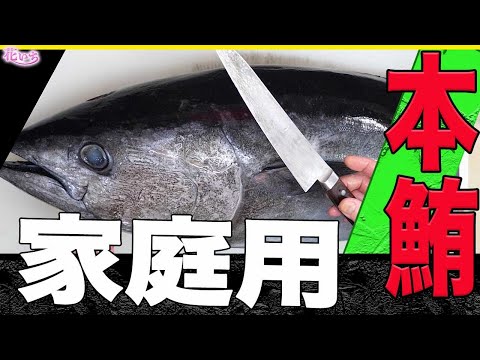
How to Carve a Whole Bluefin Tuna with a Small Kitchen Knife!
Ingredients
- Youngbluefin tuna (gilled and gutted), approx. 25kg
About "Bluefin Tuna Carving, Sashimi, and Nigiri Sushi"
This video demonstrates how to carve a whole young bluefin tuna (approx. 25kg) using just a single home kitchen knife to make sashimi and nigiri sushi. A professional chef shares practical tips, covering everything from removing the head to 5-piece filleting, cutting blocks (saku), and separating otoro, chutoro, and akami. Learn techniques to achieve a beautiful finish even with a small knife, such as angling the blade to avoid sinew and handling the bloodline bones.
Tips for Making "Bluefin Tuna Carving, Sashimi, and Nigiri Sushi"
-
Knife Angle
- When removing the head, insert the knife diagonally to leave as much meat on the body as possible.
-
Bone Removal
- When removing the backbone, lift the bone firmly and tap the bloodline area with the heel of the knife to avoid damaging the meat.
-
Saku Cutting
- Since the back meat has sinew, angling the knife to cut around it is a professional technique for making saku blocks.
-
Belly Bone Prep
- The belly bones of bluefin tuna are curved and deeply embedded, so hold the knife upside down to shave them off carefully.
-
Slicing Sashimi
- Place the tip of the knife on the block and pull it smoothly toward you to cut slices of uniform thickness.
Ingredients for "Bluefin Tuna Carving, Sashimi, and Nigiri Sushi"
1 items* Tap ingredient names to find on Amazon
- Youngbluefin tuna (gilled and gutted), approx. 25kg
How to Make "Bluefin Tuna Carving, Sashimi, and Nigiri Sushi"
- 1
Removing the Head
Insert the knife diagonally from the base of the pectoral fin, angling it to shave off the meat. Once you hit the large bone, hold the gill area and pull the knife horizontally toward the fin. Repeat on the other side, then connect the cuts on both sides and tap the remaining bone with the knife to detach the head.
- 2
Filleting the First Half (5-Piece Filleting)
Flip the tuna and insert the knife from the belly side. Since the meat is thick, cut in two passes. Cut through the belly bones to release the belly meat. Next, insert the knife on the back side, sliding it lightly along the bone with the blade slightly flat. Once the meat opens up enough to fit your hand, cut down to the backbone and detach the back fillet.
- 3
Removing the Backbone
Remove the backbone from the remaining half. Insert the knife from the belly side, cutting through the bloodline bones and belly bones to reach the backbone. Flip and repeat from the back side. While lifting the bone firmly, tap the bloodline area with the heel of the knife to cut through. Lifting the tail upward while tapping helps remove the bone cleanly without damaging the meat.
- 4
Dividing into Quarters (Blocks)
To separate the meat from the bloodline bones, angle the knife slightly toward the bones and slide it along them to cut the meat away. This divides the fish into manageable quarter blocks (cho).
- 5
Cutting Back Blocks (Saku)
Divide the quartered back fillet into smaller blocks (koro). Cut a slightly larger block from the head side. Cleanly remove the central bloodline with the knife, and cut off the 'tenpane' (the edge of the back fillet). Angle the knife diagonally to avoid the sinew in the back meat to cut saku blocks, and carefully trim the meat near the bloodline. Scrape off any remaining meat on top of the removed sinew to use without waste.
- 6
Processing Belly Meat & Cutting Otoro
The belly is a luxurious section containing otoro, chutoro, and akami. Cut off the base near the collar (kama) where hard bones intersect. Cut the belly in half and remove the bloodline. Shave off the thin belly membrane, then carefully shave off the curved belly bones using the knife upside down to avoid wasting meat. Skin the 'sunazuri' (belly flap) portion to cut out premium otoro blocks.
- 7
Slicing and Plating Sashimi
Once the saku blocks are ready, slice them for sashimi. Place the tip of the knife on the block and pull it smoothly toward you to cut beautiful slices of uniform thickness. Arrange the sliced sashimi beautifully in a three-dimensional layout on a plate lined with fresh shredded daikon radish and shiso leaves. Garnish with sliced lemon and daikon sprouts to finish.
- 8
Making Nigiri Sushi
Moisten your hands with vinegar water and gently shape a portion of sushi rice into a fluffy ball. Place a small dab of wasabi on the sliced otoro or chutoro topping, then gently press it onto the rice ball to complete the nigiri sushi.
Food Science
After a young bluefin tuna is harvested, the enzymatic breakdown of ATP in its muscles produces inosinate, a powerful umami compound. The rich umami from this inosinate combines with the tuna's natural, subtle acidity (from lactic acid, etc.) to create a deep, complex flavor. Additionally, proper carving and temperature control prevent drip loss (moisture loss), allowing the umami compounds and moisture to be preserved in excellent condition alongside the fats.
Detailed Commentary on "Bluefin Tuna Carving, Sashimi, and Nigiri Sushi"
* Content organized by topics from the video.
Carving Tuna with a Home Kitchen Knife
Welcome! I'm the staff meal chief from 'Hanaichi Cooking.' In this 6th installment of our tuna carving series, we are going to carve a gorgeous young bluefin tuna (meji-maguro) weighing about 30kg whole (or 25kg gilled and gutted) using just a single small home kitchen knife! You might wonder, 'Can you really carve a tuna with such a small knife?' But with a few simple tips, you can carve it beautifully even with a standard Western-style kitchen knife at home. Today, we'll carve this massive fish, divide it into quarters (cho), cut it into blocks (koro and saku), and finally prepare a luxurious sashimi platter and melt-in-your-mouth nigiri sushi. If you love fishing or bought a tuna at the market, please use these professional techniques as a guide and give it a try!
Bold Yet Delicate Head Removal
Let's start by removing the head of this 25kg young bluefin tuna. First, insert the knife near the base of the pectoral fin. The biggest secret to carving tuna is to leave as much meat on the body as possible, rather than on the head. To do this, angle the knife diagonally, almost shaving the meat off. As you push the knife in, it will hit a large bone and stop. Next, hold the gills firmly and pull the knife toward the fin to make a cut. Flip the tuna over and repeat on the other side, holding the fin and cutting horizontally. The key is to cut horizontally, not vertically. Since the spinal cord has already been dispatched, connect the cuts on both sides and gently tap the connecting bone with the knife. The massive head, weighing over 5kg, will detach cleanly.
Filleting the First Half
Once the head is off, flip the tuna to begin the 5-piece filleting process. First, insert the knife from the belly side. Since the meat is thick, don't try to cut it in one go; make two passes instead. Next, because the meat goes all the way to the belly bones, cut through these bones to release the belly fillet. Then, flip the tuna and insert the knife on the back side. The trick is to slide the blade lightly along the bone, keeping the knife slightly flat. Once the meat opens up enough to fit your hand, cut all the way to the backbone. Flip the tuna again and detach the back fillet. The scales make it a bit tough to cut, so proceed slowly and carefully. By cutting along the bloodline bones and separating the connection to the belly bones, you'll detach a beautiful back fillet (back cho).
Removing Backbone & Quartering
With one half removed, we'll take the backbone out of the remaining half. First, insert the knife from the belly side, cutting through the bloodline and belly bones to reach the backbone. Flip the fish and do the same from the back side, sliding the knife flat along the bone. Here is the key: lift the bone firmly and tap the bloodline area connecting the bone and meat with the heel of the knife. Lifting the tail upward while tapping allows the bone to come off cleanly without damaging the meat. Now the backbone is out, leaving a clean half-fish. From here, we divide it into back and belly sections to make quarters (cho). To separate the meat from the bloodline bones, angle the knife slightly toward the bones and slide it along them. This leaves you with manageable quarter blocks.
Cutting Back Saku & Finding Setoro
Now we'll divide the quartered back fillet into smaller blocks (koro) and cut them into saku blocks for sushi and sashimi. First, cut a slightly larger block from the head side. Next, cleanly remove the central bloodline. Cut off the edge piece called 'tenpane,' and slice the meat into saku blocks at a consistent angle, keeping your final sashimi slices in mind. Carefully trim the meat near the bloodline (chiaigishi). Although the back meat has sinew, fresh tuna sinew is soft, so angling the knife to cut around it is a professional technique. The fatty skin-side portion of the back meat is called 'setoro' and is incredibly delicious. After trimming the sinew to make clean saku blocks, scrape the remaining meat off the sinew to use as minced tuna (nakaochi) so nothing goes to waste.
Prepping Belly & Cutting Otoro
Next, we'll process the fatty belly section. The belly is a luxurious cut containing otoro, chutoro, and akami. First, cut off the base near the collar (kama) because hard, intersecting bones are located there. Since the belly is thinner than the back, it requires delicate handling. Cut the belly in half, remove the bloodline, and shave off the thin belly membrane. The belly bones of bluefin tuna are curved and deeply embedded, so the trick is to hold the knife upside down and shave them off carefully to avoid wasting meat. Then, skin the fattiest part of the belly, the 'sunazuri (jabara),' to cut out premium otoro saku. Cut the remaining parts into chutoro and akami saku, and use tweezers to carefully pull out any hard sinews or bones from the belly flap (haramo) without tearing the meat.
Slicing and Plating Sashimi
All the saku blocks are ready! From just one half of the fish, we got 7 saku for sushi and many more for sashimi—an incredible yield of beautiful blocks, especially using a home kitchen knife. The sushi blocks are trimmed to a width of about 6cm for easy handling. Now, let's slice them for sashimi. Place the tip of the knife on the block and pull it smoothly toward you to cut beautiful slices of uniform thickness. You can feel the incredible softness and fattiness of the otoro and chutoro just by slicing them. Line a plate with fresh shredded daikon and vibrant green shiso leaves, then arrange the sliced sashimi in a beautiful, three-dimensional presentation. Garnish with sliced lemon and daikon sprouts to complete a gorgeous, high-end restaurant-style tuna platter!
The Ultimate Nigiri Sushi
Now, it's finally time to make the nigiri sushi! Moisten your hands with vinegar water and gently shape a portion of sushi rice (shari) into a fluffy ball. Place a small dab of wasabi on the premium otoro or chutoro topping, then gently yet quickly press it onto the rice. Arranged on a bamboo leaf, the tuna nigiri sushi glows a beautiful pink and looks absolutely mouthwatering. We taste the finished sushi with our staff and crew, and everyone is blown away: 'Delicious!' 'It melts in your mouth!' In the ending, we recap how anyone can carve a 30kg-class tuna with a small kitchen knife once they know the tricks. Whether you buy a block at the market or catch a tuna yourself, we hope you give this a try. 'Yummy, bye-bye!'
About 花いち クッキング

花いち クッキング
10.8万人 subscribers ・ 不明
* Opens YouTube channel
* Subscriber count is as of article creation and may differ from the current number.
