

Recipe
Wasabi is More Than Just Grated! Transform the Flavor by Cutting, Kneading, and Chopping: Tips for Different Uses and Making Powder/Tube Wasabi Way More Delicious | Condiment Series: Wasabi Part 4

Ingredients
- 1fresh green (Mishou-type) hon-wasabi root
- Powderedwasabi, to taste
- Warmwater (50–60°C / 122–140°F), to taste
- Tubewasabi, to taste
About "Wasabi Techniques: Hari-Wasabi, Powdered Wasabi, and Tube Wasabi"
Wasabi is not just for grating; its flavor and use change dramatically depending on how it is cut and handled. Finely julienned hari-wasabi offers a crisp texture and refreshing aroma perfect for gunkan maki and simmered dishes. Reconstituting powdered wasabi with warm water (50–60°C) coaxes out its best aroma, while tube wasabi can be revitalized simply by chopping it with a knife. These practical, professional tips are easy to try at home.
Tips for Making "Wasabi Techniques: Hari-Wasabi, Powdered Wasabi, and Tube Wasabi"
-
Prep
- Use green (Mishou-type) hon-wasabi. Trim the ends of the middle section slightly and julienne finely (hari-wasabi). Only soak in water to remove harshness if prepping in advance and not using immediately.
-
Powdered Wasabi
- Reconstitute using warm water at 50–60°C (122–140°F). Temperature control is key: cold water leaves a raw powder smell, while boiling water destroys the delicate aroma.
-
Tools
- Avoid metal utensils when mixing powdered wasabi to prevent metallic odors. Use a ceramic bowl and wooden chopsticks instead.
-
Tube Wasabi Hack
- Squeeze wasabi onto a cutting board and tap it with the blade or spine of a knife. This stimulates the fibers, activating dormant pungent compounds and doubling the heat.
-
Different Uses
- Inexpensive green wasabi (Mishou) works perfectly. Hari-wasabi is ideal for gunkan maki, sashimi garnishes, and simmered dishes, while grated wasabi is best for sushi rice.
Ingredients for "Wasabi Techniques: Hari-Wasabi, Powdered Wasabi, and Tube Wasabi"
4 items* Tap ingredient names to find on Amazon
How to Make "Wasabi Techniques: Hari-Wasabi, Powdered Wasabi, and Tube Wasabi"
- 1
How to Make Hari-Wasabi (Julienned Wasabi)
Use the middle section of a green (Mishou-type) hon-wasabi root. Trim the ends slightly with a knife, then slice and julienne it very finely. If using immediately after cutting, do not soak in water. If prepping in advance, soak in water to remove any harshness.
- 2
Reconstituting Powdered Wasabi Deliciously
Pour warm water (50–60°C / 122–140°F) over the powdered wasabi and mix using a ceramic bowl and disposable wooden chopsticks. The temperature is crucial: cold water leaves a raw powder smell, while boiling water destroys the delicate aroma.
- 3
Chopping Tube Wasabi
Squeeze tube wasabi onto a cutting board and tap/chop it finely using the blade or spine of a knife. This stimulates the fibers of horseradish and spicy daikon radish contained in the tube wasabi, activating the dormant pungent compounds and aroma.
- 4
How to Use Hari-Wasabi
Use finely julienned hari-wasabi in dishes that benefit from its crisp texture and refreshing aroma, such as topping gunkan maki, serving alongside sashimi, or tossing into a simmered dish (wasabi-ni) at the very end for a quick simmer. It is also excellent placed on top of ohitashi (blanched greens) with a drizzle of soy sauce.
Food Science
The pungency and flavor of wasabi are created through an "enzymatic reaction" triggered when its cells are ruptured. Sinigrin within the cells reacts with the enzyme myrosinase to produce allyl isothiocyanate, the compound responsible for the heat. Techniques like cutting and chopping, as well as adjusting the temperature by adding 50–60°C (122–140°F) water to powdered wasabi, are scientifically highly effective ways to maximize this enzymatic activity, drawing out the volatile heat and refreshing aroma.
Detailed Commentary on "Wasabi Techniques: Hari-Wasabi, Powdered Wasabi, and Tube Wasabi"
* Content organized by topics from the video.
Making Hari-Wasabi & the Appeal of Green Wasabi
In this fourth installment of our wasabi series, we explore the appeal of wasabi beyond just grating. We use green (Mishou-type) hon-wasabi, which grows quickly and has a short harvest window. For ease of handling, we use the middle section, trim the ends slightly, and julienne it very finely. This style of finely cut wasabi is called hari-wasabi (needle wasabi). The cut wasabi is soaked in water to remove any harshness. While it is best not to soak it if you plan to use it immediately, soaking it to draw out the harshness while prepping ahead for customers is a professional technique. Rather than just grating it on a sharkskin grater, cutting it finely with a knife allows you to enjoy the natural crisp texture and refreshing aroma of the wasabi.
Beyond Grating: Versatile Uses for Hari-Wasabi
In the world of Japanese cuisine, chefs use both green (Mishou) and red (Mazuma) wasabi depending on the dish, but one is not inherently better than the other. While watery grated wasabi does not pair well with sushi rice (shari), a stickier texture is preferred. On the other hand, crisp and crunchy hari-wasabi is perfect for topping gunkan maki or serving alongside sashimi. Additionally, when making 'wasabi-ni' (simmering meat with wasabi), simply tossing in this hari-wasabi at the very end for a quick simmer elevates the dish's flavor dramatically. Just because an ingredient is inexpensive doesn't mean it's inferior; by using the right type for the right dish, you can elevate your home cooking to a professional level.
The Ideal Water Temp for Powdered Wasabi
When fresh hon-wasabi is unavailable, people typically turn to powdered wasabi or tube wasabi, but our chef overwhelmingly recommends powdered wasabi. This is because you only reconstitute what you need, ensuring it is always fresh with zero waste. The most critical factor in making powdered wasabi taste dramatically better is the water temperature. When mixing, always use warm water around 50 to 60°C (122 to 140°F). Mixing with cold water leaves a raw powder smell and fails to fully draw out the aroma and pungency. Conversely, using boiling water will completely destroy the delicate aroma of the wasabi, ruining the flavor. This precise temperature control is the secret to delicious powdered wasabi.
Tools to Prevent Metallic Odors in Wasabi
When mixing powdered wasabi, professional chefs pay close attention not only to temperature but also to the tools they use. Mixing in stainless steel bowls or with metal whisks commonly found in home kitchens allows the wasabi to absorb iron (metallic odor) from the metal, causing harsh flavors to develop. To avoid this, our chef recommends using a ceramic vessel, such as a ramen bowl, and mixing with disposable wooden chopsticks. Avoiding metal tools in favor of ceramic and wood helps draw out the clean, natural aroma and pungency of the wasabi without any off-flavors. It is a small detail, but it completely transforms the final taste.
The Knife-Chopping Trick for Tube Wasabi
While tube wasabi is a staple in many households, a simple extra step can make it taste remarkably better. Squeeze the wasabi onto a cutting board and finely chop or tap it (knife-striking) using the blade or spine of a knife. Tube wasabi contains fibers from western horseradish (white wasabi) and Japanese spicy daikon radish. Tapping them with a knife stimulates these fibers, activating dormant pungent compounds and aromas, causing the fragrance to bloom and doubling the heat. While grinding it in a mortar yields the same effect, chopping it with a knife is more than enough for home cooking. If you have a tube of wasabi in your fridge, this is a must-try hack.
Elevating Dishes with Hari-Wasabi
Finely julienned hari-wasabi adds a wonderful accent to a variety of dishes. For example, it is excellent served alongside a chilled, gently simmered fish dish, or paired with grated Japanese mountain yam (jinenjo) and wasabi soy sauce. Unlike grated wasabi, it bursts with a crisp texture and refreshing flavor in your mouth. You can also place it on top of ohitashi with a splash of soy sauce, or add wasabi leaf extract to dashi broth for a clean, sophisticated flavor. Even a small, inexpensive hon-wasabi root from the supermarket can be julienned into hari-wasabi to instantly expand your repertoire of home-cooked dishes and appetizers.
The Chef's Special Colorful Pickled Vegetables
At the end of the video, the chef introduces his beautiful colorful vegetable pickles. Featuring bell peppers, red daikon radish, and tomatoes, this dish is prepared so that each vegetable retains its distinct, crisp texture. At the chef's restaurant, when serving deep-fried pufferfish finished with ponzu sauce (a style called 'nure-shiage'), these pickles are beautifully arranged around the main dish alongside steamed and raw vegetables. The vibrant colors, acidity, and textures of the vegetables perfectly complement the main pufferfish dish. Beyond wasabi techniques, this dish is packed with professional ideas for enjoying seasonal vegetables, offering a feast for both the eyes and the palate.
About 大将に聞いてみた!
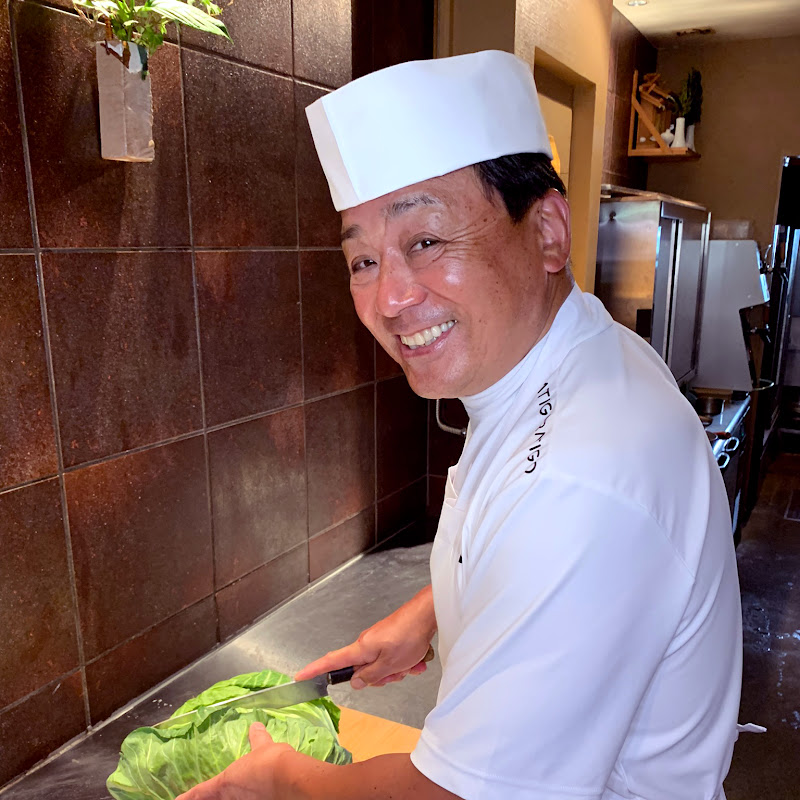
大将に聞いてみた!
2.1万人 subscribers ・ 日本料理・和食
* Opens YouTube channel
* Subscriber count is as of article creation and may differ from the current number.
