

Recipe
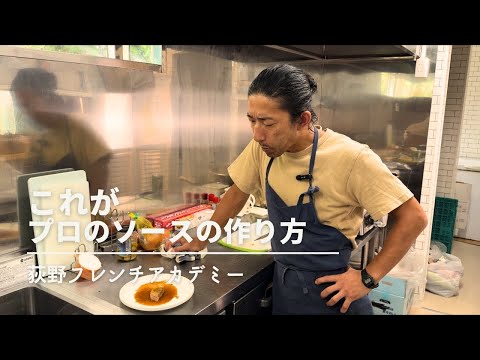
Table Ogino: How to Make Jus (Classic French Sauce) with Chef Ogino
Ingredients
- Chickenbones, as needed
- Quailbones, as needed
- Vegetableoil (for sautéing), a small amount
- Carrot(finely diced), as needed
- Onion(chopped with skin on), as needed
- Garlic(chopped with skin on), as needed
- Leftoverherb stems (basil, rosemary, etc.), as needed
- Whitewine, as needed
- Freshtomatoes (chopped), as needed
- Fondde veau (veal stock), as needed
- Saltand pepper, to taste
- Butteror olive oil (for finishing), to taste
About "Chicken & Quail Bone Jus (Classic French Sauce)"
Chef Ogino explains how to make "jus," a fundamental sauce in French cuisine. Unlike a fond (stock), a jus is finished with alcohol and stock, making it rich enough to be used directly as a sauce simply by reducing it. Chicken and quail bones are slowly sautéed over low heat to build up flavorful browned bits at the bottom of the pot. After deglazing with white wine, fond de veau and fresh tomatoes are added and quickly reduced. Finally, seasoning with salt, pepper, and a touch of butter or olive oil for richness yields an exquisite sauce.
Tips for Making "Chicken & Quail Bone Jus (Classic French Sauce)"
-
Heat control
- Sauté the bones slowly over low heat. If the heat is too high, they will burn and turn bitter, so control the heat to let the flavorful bits stick to the bottom of the pot without burning.
-
Prep
- Since the simmering time is short (10 to 15 minutes), finely dice the carrots so they release their flavor quickly. Slicing them too thin can make the sauce cloudy.
-
Prep
- Use onions and garlic with their skins on to impart deep color and aroma. Utilize leftover herb stems, such as basil or rosemary, to add fragrance.
-
Technique
- Adding the vegetables releases moisture that naturally lifts the caramelized bits from the bottom of the pot. Then, add white wine and scrape the bottom with a wooden spatula to "deglaze" and fully capture the flavor.
-
Simmering
- After simmering for 7 to 8 minutes from boiling, strain through a mesh strainer and reduce rapidly in a small pot until it is half to a quarter of its original volume.
-
Seasoning
- Once sufficiently reduced, season lightly with salt and pepper, and optionally add butter or olive oil to add richness.
-
Philosophy
- The most important thing is not to obsess over exact measurements, but to judge by the overall balance while observing the state of the pot.
Ingredients for "Chicken & Quail Bone Jus (Classic French Sauce)"
12 items* Tap ingredient names to find on Amazon
- Chickenbones, as needed
- Quailbones, as needed
- Vegetableoil (for sautéing), a small amount
- Carrot(finely diced), as needed
- Onion(chopped with skin on), as needed
- Garlic(chopped with skin on), as needed
- Leftoverherb stems (basil, rosemary, etc.), as needed
- Whitewine, as needed
- Freshtomatoes (chopped), as needed
- Fondde veau (veal stock), as needed
- Saltand pepper, to taste
- Butteror olive oil (for finishing), to taste
How to Make "Chicken & Quail Bone Jus (Classic French Sauce)"
- 1
Heat a small amount of oil in a deep pot and slowly sauté the chicken and quail bones over low heat. Manage the heat to avoid burning while continuing to sauté until the flavorful browned bits stick to the bottom of the pot.
- 2
Finely dice the carrot, and chop the onion and garlic with their skins on. Prepare any leftover herb stems, such as basil or rosemary.
- 3
Once the bones are well-sautéed, add all the chopped vegetables and herb stems to the pot. The moisture released from the vegetables will naturally lift the browned bits from the bottom of the pot.
- 4
At the perfect moment right before it starts to burn, pour in the white wine. Deglaze by scraping the bottom of the pot with a wooden spatula to fully incorporate all the flavor.
- 5
Add the chopped fresh tomatoes and fond de veau. Adjust the amounts by observing the overall balance and the state of the pot.
- 6
Bring to a boil over high heat, then simmer for about 7 to 8 minutes after boiling.
- 7
Strain the bones, vegetables, and herbs through a fine mesh strainer, and return only the liquid to a small pot.
- 8
Reduce the liquid rapidly until it is half to a quarter of its original volume. Turn off the heat once it becomes a clear, amber color.
- 9
Season with salt and pepper to taste, and optionally add butter or olive oil to enrich the flavor to finish.
Detailed Commentary on "Chicken & Quail Bone Jus (Classic French Sauce)"
* Content organized by topics from the video.
The Crucial Difference Between Jus and Fond
In response to passionate requests from viewers, Chef Ogino teaches how to make "jus," the foundation of French sauces. First, the chef clearly explains the difference between "jus" and "fond" (stock) in French cuisine. "Jus," which is the linguistic root of the English word "juice," refers to the pure essence extracted from ingredients. While fond is simply a stock and does not easily become a sauce on its own even when reduced, jus is crafted with added alcohol and stock to create a complex flavor profile. This means it can become an exquisite sauce simply by reducing it. Consequently, making a jus is a highly rich process, serving as an excellent base that can be poured directly over a finished dish.
Sautéing Bones to Concentrate Umami
This recipe uses a combination of chicken and quail bones. Instead of roasting them in the oven, Chef Ogino chooses to slowly sauté them on the stovetop in a deep pot. Sautéing the bones over low heat with a small amount of oil coaxes the flavorful compounds to stick to the bottom of the pot. These caramelized bits are crucial for creating the deep richness and savory aroma of the final sauce. If the heat is too high, they will burn and turn bitter. Controlling the heat to prevent burning while slowly drawing out the aroma of the bones is where professional technique shines.
Cutting Vegetables to Extract Flavor Quickly
Next, prepare the vegetables for the jus. While a standard fond is simmered for hours and requires large-cut vegetables, jus is simmered for a very short time—only 10 to 15 minutes. Therefore, the carrots are finely diced to release their flavor quickly. Slicing them too thin would create too much surface area and cloud the sauce, making dicing the ideal choice. Onions and garlic are chopped with their skins left on to impart deep color and aroma. Additionally, leftover herb stems like basil and rosemary, along with garlic skins, are fully utilized to add fragrance without any waste.
A Chef's Philosophy: Made to Order
Once the bones are well-sautéed, the chopped vegetables are added to the pot. As they cook, the moisture released from the vegetables naturally lifts the caramelized bits stuck to the bottom. Because making jus is a quick process, you must stay by the stove and watch the pot closely. Here, the chef shares a philosophy from his restaurant-owning days. Rather than simply reheating pre-made sauce, whenever an order for a meat dish like pigeon came in, he would sauté the carcass on the spot, combine it with the base sauce, and reduce it rapidly to serve a freshly made sauce. This extra step dramatically elevates the aroma and freshness of the dish.
Deglazing with White Wine and Tomatoes
At the precise moment when the bones and vegetables are fully sautéed and on the verge of burning, pour in the white wine. Since we are using white meats (chicken and quail) this time, a crisp white wine pairs beautifully. Once the wine is in, perform "deglacing" by using a wooden spatula to scrape up every bit of caramelized flavor from the bottom of the pot. Next, add chopped fresh tomatoes for moisture and refreshing acidity, and pour in fond de veau to add depth. The chef emphasizes that rather than obsessing over exact measurements, the most important skill is judging the overall balance and the state of the pot.
Reducing Rapidly into an Exquisite Sauce
Since there is only a minimal amount of liquid in the pot, it quickly comes to a boil and begins to reduce. After simmering for just 7 to 8 minutes from boiling, strain out the bones and vegetables through a strainer. Return the strained liquid to a small pot and reduce it rapidly once more until it is half to a quarter of its original volume. This reduction concentrates the savory umami of the ingredients and the pleasant acidity of the white wine, transforming it into a beautiful, clear amber sauce. Upon tasting, even at this stage, the sauce is already deeply rich and delicious enough to be poured directly over a dish.
Tasting the Jus with Chicken Ballotine
Once the jus is sufficiently reduced, season lightly with salt and pepper, and optionally stir in butter or olive oil for extra richness to complete the exquisite sauce. For the tasting, this freshly made jus is generously spooned over a pre-prepared chicken ballotine. Taking a bite, both the chef and the staff can't help but smile at the incredible flavor. Pairing a sauce made from bones with the meat of the same animal creates a perfect harmony on the palate. They thoroughly enjoyed this luxurious dish—a true embodiment of the essence of French cuisine—which is rich yet clean-finishing thanks to the acidity of the wine.
Supporting the Community: Children's Cafeteria
At the end of the video, Shinichi Wada, the representative director of the NPO "Yokosuka Nakanagaya," which provided the filming location, makes an appearance. Mr. Wada runs a warm children's cafeteria in Yokosuka, serving three meals a day, every day except Sundays. Many children in the community face various challenging circumstances, and his organization works tirelessly to provide them with warm meals and a safe place to belong. Chef Ogino wanted to support this wonderful cause, which led to this collaboration. The video concludes with the hope of raising awareness for their activities and expanding the circle of warm support.
About 荻野フレンチアカデミー

荻野フレンチアカデミー
2,010人 subscribers ・ フランス料理
* Opens YouTube channel
* Subscriber count is as of article creation and may differ from the current number.
