

Recipe
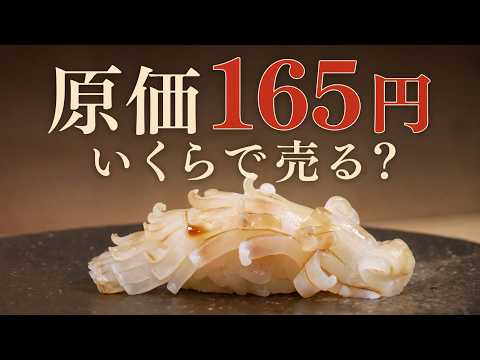
[Cost & Price Revealed] How Much Does a 165-Yen Squid Cost Per Piece at a Sushi Restaurant?
Ingredients
- 1red squid (660 yen including tax)
- Sushirice (for 1 piece)
- Sesameseeds, to taste
- Tezu(hand vinegar, 1:1 water and grain vinegar), to taste
- 1tbsp salt (for squid tentacles)
About "Squid Nigiri Sushi"
This video provides a detailed guide on making squid nigiri sushi using red squid. It covers the entire process, from cleaning the squid, removing the innards and cartilage, and peeling the skin, to delicate scoring with a Yanagiba knife, parboiling, and shaping the sushi. Using the example of a 165-yen squid sold for 660 yen per piece, it demonstrates the value added by a chef's skill and preparation, while also discussing the food cost percentage in sushi restaurant management.
Introduction to 蒼の鮨 sushi-chef ao →
Tips for Making "Squid Nigiri Sushi"
-
Prep
- When removing the innards, pull slowly and gently to avoid puncturing the ink sac. Pulling with force can tear them and make a mess.
-
Prep
- Squid is sensitive to hand heat; overhandling causes it to turn cloudy and lose freshness, so rinse it quickly.
-
Prep
- Thoroughly rub the tentacles and fins with salt to remove slime; this eliminates unpleasant odors and dramatically improves flavor.
-
Prep
- To remove the thin inner skin, rub with a paper towel in a circular motion from the body toward the tip.
-
Prep
- Use a part of your hand (like the length of your middle finger) as a ruler to slice toppings into a consistent, uniform size.
-
Prep
- When scoring with a Yanagiba knife, use a push-and-pull motion to cut to an even depth without slicing all the way through.
-
Prep
- Julienning squid into thin noodles creates a creamy texture that enhances its natural sweetness.
-
Heat control
- Parboil for just 1 to 2 seconds, then immediately plunge into ice water. Avoid overcooking as it ruins the texture.
-
Seasoning
- Place sesame seeds on the underside of the squid instead of wasabi to complement and elevate its aroma.
-
Business
- The value of sushi depends on prep and skill, not just ingredient cost. Selling prices are set based on a 30% food cost target.
Ingredients for "Squid Nigiri Sushi"
5 items* Tap ingredient names to find on Amazon
How to Make "Squid Nigiri Sushi"
- 1
Separate the body and tentacles of the red squid
- 2
Carefully remove the innards, pulling slowly and gently to avoid puncturing the ink sac
- 3
Cut near the eyes to separate the head section
- 4
Set aside the long tentacles (feeding tentacles) for staff meals instead of sushi
- 5
Carefully remove the cartilage from inside the body
- 6
Remove the fins (wings). Insert your thumb at the base to peel them off cleanly
- 7
Peel the skin off the body, then slice it open along the cartilage line using a reverse knife technique
- 8
Quickly rinse the body with water. Work fast as squid is sensitive to hand heat
- 9
Place the tentacles and fins for staff meals in a bowl, add 1 tbsp of salt, and rub thoroughly
- 10
Rinse the salt-rubbed tentacles, repeating until the water runs clear, then drain in a strainer
- 11
Remove the thin inner skin using a paper towel, rubbing in a circular motion from the body toward the tip
- 12
Cut away any tough parts that would be unpleasant to chew
- 13
Use a part of your hand as a ruler to cut the squid into uniform sushi toppings (neta)
- 14
Thinly shave and julienne the trimmings to make squid noodles (ika somen)
- 15
Make fine vertical decorative cuts using a Yanagiba knife, maintaining an even depth with a push-and-pull motion
- 16
Make diagonal, shallow cuts across the vertical ones to create a crosshatch pattern
- 17
Parboil the scored squid in boiling water for just 1 to 2 seconds
- 18
Immediately plunge into ice water to cool, then pat dry with a paper towel
- 19
Moisten your hands with tezu (hand vinegar) and portion the sushi rice
- 20
Place a few sesame seeds on the underside of the squid
- 21
Shape the sushi with the squid topping, which has become pliable due to the decorative cuts
- 22
Shape the squid noodles into a neat topping and complete the nigiri
Food Science
Parboiling slightly denatures the proteins on the surface of the squid, highlighting its sweetness and texture. Additionally, the acidity (pH) of the sushi rice and hand vinegar (tezu) enhances the squid's natural sweetness and umami, creating an excellent balance of the five basic tastes. Furthermore, the decorative scoring makes it easier to perceive sweetness during chewing and provides a smoother mouthfeel.
Detailed Commentary on "Squid Nigiri Sushi"
* Content organized by topics from the video.
Chef's Skill and Cleaning Squid
The value of sushi is not determined solely by the cost of the ingredients. Through preparation and a chef's skill, the same ingredient can be transformed into an entirely different piece of sushi. Today, we will show the entire process of making red squid nigiri, starting from cleaning the squid to the final shaping. First, separate the body and the tentacles. Carefully remove the innards, taking extra care not to puncture the ink sac. The key is to pull slowly and gently, as pulling with too much force can tear the innards and make a mess. Next, cut near the eyes to separate the head. The long feeding tentacles of the squid have a soft, unappealing texture, so we will set them aside for staff meals instead of using them for sushi. Finally, carefully remove the cartilage from inside the body.
Removing Fins, Peeling, and Cleaning Tentacles
Next, remove the squid's fins (wings). If you insert your thumb at the base of the fins, they will peel off cleanly since they are only connected by skin. Peel the skin off the body in the same manner, then slice the body open along the cartilage line using a reverse knife technique. Now, move on to rinsing. Squid is highly sensitive to the heat of human hands; overhandling will cause it to turn cloudy and lose freshness, so working quickly is absolutely crucial. A light rinse for the body is sufficient. On the other hand, place the tentacles and fins for staff meals in a bowl, add 1 tbsp of salt, and rub them thoroughly. This draws out any unpleasant slime and odor. Rinse repeatedly until the water runs clear, then drain in a strainer to make the tentacles dramatically more delicious.
Peeling the Inner Skin and Slicing Toppings
For the rinsed body, use a paper towel to cleanly remove the thin inner skin. The simplest and most recommended method is to rub with a paper towel in a circular motion from the body toward the tip. Once thoroughly dried, cut away any tough, bone-like parts that would remain in the mouth when eating. Next, slice the squid into sushi toppings (neta) for decorative scoring. Chefs use a part of their own body—in this case, the length of the middle finger—as a ruler to determine the size. This ensures consistent, uniform cuts every time. Since presentation is vital in sushi, any trimmed edges are used for staff meals. In restaurants with lower average customer spend, there are creative ways to serve these trimmings to avoid waste.
Delicate Scoring and the Secret of Squid Noodles
From here, extremely delicate knife work is required. Using a sharp Yanagiba knife, first make fine vertical decorative cuts. Because the tip of a Yanagiba knife curves upward slightly, simply pushing down will not yield even cuts. Focus on a push-and-pull motion to score the squid at a uniform depth without cutting all the way through. This depth significantly affects the final texture. Next, make diagonal, shallow cuts across the vertical ones. Then, take the trimmings from earlier, shave them thinly, and julienne them to make 'squid noodles' (ika somen). Finely slicing the squid creates a creamy, dense texture that makes it taste incredibly sweet. Squid is an excellent ingredient with very little waste, as even the trimmings can be utilized this way.
Parboiling to Bloom Cuts and Shaping with Sesame
Next, parboil the scored squid in boiling water for just 1 to 2 seconds. When placed in hot water, the decorative cuts will bloom beautifully like a flower in just a few seconds. Overcooking is strictly forbidden to prevent the texture from changing. Immediately plunge it into ice water to stop the cooking process, cool it thoroughly, and pat dry with a paper towel. Now, it is time to shape the sushi. Moisten your hands with tezu (a 1:1 mixture of water and grain vinegar) and portion the sushi rice. Instead of wasabi, we place a few sesame seeds on the underside of the squid as a secret accent. Since squid has a clean flavor with no strong odor, it pairs beautifully with aromatic sesame. The decorative cuts make the topping pliable and very easy to shape. Similarly, shape the creamy squid noodles into a neat nigiri.
The Business of Sushi: From 165 to 660 Yen
Finally, let's look at the cost and selling price of this squid nigiri. The red squid purchased for this video was 660 yen (including tax). Since we can get 4 sushi toppings from it, the cost of the squid itself is 165 yen per piece. Adding the cost of sushi rice and seasonings (about 33 yen per piece), the total ingredient cost is approximately 198 yen per piece. Calculating this based on a standard sushi restaurant food cost percentage of 30%, the selling price per piece is set at 660 yen (including tax). The remaining amount after subtracting the ingredient cost is not pure profit; it must cover labor, rent, utilities, and other overhead expenses. To continue providing high-quality ingredients as a chef, it is essential to manage the food cost percentage properly and run a sustainable business.
About 蒼の鮨 sushi-chef ao
蒼の鮨 sushi-chef ao
3.2万人 subscribers ・ 和食/寿司
* Opens YouTube channel
* Subscriber count is as of article creation and may differ from the current number.
