

Recipe
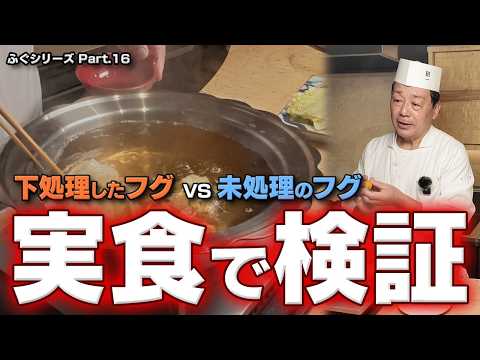
Same Wild Pufferfish, Night and Day?! | Standard Prep vs. Master Chef's Prep Taste Test
Ingredients
- Wildpufferfish (flesh and bony parts), to taste
- Pufferfishwhite skin, to taste
- Winterdaikon radish, to taste
- Kagoshimanew potatoes, to taste
- Homemademochi (made from Yamagata glutinous rice), to taste
- Homemadekudzu tofu with plum, to taste
- Yellowchives, to taste
- Salt,to taste (for dehydration)
- Sake,to taste (for dehydration)
- Ponzufor hot pot (kabosu and daidai citrus base), to taste
- Sudachiponzu for sashimi, to taste
- Agedsudachi citrus (yellow), to taste
- 3-yearaged homemade yuzu kosho, to taste
About "Pufferfish Hot Pot (Tecchiri): Prepped vs. Unprepped Comparison"
In this video, Master Chef Toru Wada, with 50 years of culinary experience, prepares "Tecchiri" (pufferfish hot pot) using wild pufferfish to compare the taste and texture differences between prepped and unprepped fish. He demonstrates how dehydrating the pufferfish with salt and sake removes excess moisture and impurities, preventing scum from forming, allowing the meat to slide cleanly off the bone, and concentrating its natural umami. The video also details how to use accompanying ingredients like daikon radish, new potatoes, homemade mochi, and pufferfish skin, as well as the reasons for using different ponzu sauces for the hot pot and sashimi. Additionally, it explains delicate professional prep techniques, such as the "Tenpane" method of dividing the fish fillets.
Tips for Making "Pufferfish Hot Pot (Tecchiri): Prepped vs. Unprepped Comparison"
-
Prep
- After filleting the pufferfish into three pieces, remove the skin-flesh membrane, perform "Tenpane" to split the back and belly, and make fine cuts to make it easier to chew.
-
Prep
- Dehydrating the pufferfish with salt and sake draws out excess moisture and impurities, concentrating the umami and allowing the meat to slide cleanly off the bone.
-
Scum Removal
- Thorough prep (dehydration) prevents almost any scum from floating when simmering the hot pot. A large amount of scum is a sign of insufficient prep.
-
Seasoning
- Clearly distinguish between the ponzu used for the hot pot (kabosu and daidai base) and the one for sashimi (sudachi base).
-
Seasoning
- Allowing sudachi to age slightly until it turns yellow softens its sharp acidity, yielding a rounded sweetness and a refreshing aroma.
-
Condiments
- Serve with homemade yuzu kosho aged for three years.
-
Ingredients
- Winter daikon radish absorbs the pufferfish broth to become incredibly juicy. New potatoes similarly soak up the broth and become delicious.
-
Ingredients
- Instead of just shredding and serving pufferfish white skin with sashimi, quickly swishing it in the hot pot broth like shabu-shabu gives it a silky, gelatinous texture.
-
Ingredients
- Homemade mochi (made from Yamagata glutinous rice) does not dissolve easily and has a great chewiness, making it perfect for finishing the pufferfish hot pot.
Ingredients for "Pufferfish Hot Pot (Tecchiri): Prepped vs. Unprepped Comparison"
13 items* Tap ingredient names to find on Amazon
- Wildpufferfish (flesh and bony parts), to taste
- Pufferfishwhite skin, to taste
- Winterdaikon radish, to taste
- Kagoshimanew potatoes, to taste
- Homemademochi (made from Yamagata glutinous rice), to taste
- Homemadekudzu tofu with plum, to taste
- Yellowchives, to taste
- Salt,to taste (for dehydration)
- Sake,to taste (for dehydration)
- Ponzufor hot pot (kabosu and daidai citrus base), to taste
- Sudachiponzu for sashimi, to taste
- Agedsudachi citrus (yellow), to taste
- 3-yearaged homemade yuzu kosho, to taste
How to Make "Pufferfish Hot Pot (Tecchiri): Prepped vs. Unprepped Comparison"
- 1
Fillet the pufferfish into three pieces and remove the skin-flesh membrane
- 2
Perform "Tenpane" to split the back and belly sections vertically
- 3
Make fine, shallow cuts into the meat to make it easier to chew, then cut into pieces
- 4
Dehydrate the pufferfish flesh and bony parts using salt and sake to draw out excess moisture and impurities
- 5
Pre-boil the daikon radish to prep it, allowing it to absorb the broth like in oden
- 6
Fill a pot with dashi broth (made from kombu, etc.), add the prepped pufferfish bony parts and flesh, and simmer
- 7
Add the daikon, new potatoes, homemade mochi, kudzu tofu, and yellow chives to the pot in order
- 8
Quickly swish the pufferfish white skin in the hot broth like shabu-shabu to give it a silky, gelatinous texture before eating
- 9
Serve with a dipping sauce made by mixing hot pot ponzu (kabosu and daidai base) with freshly squeezed aged sudachi juice
- 10
Serve with 3-year aged homemade yuzu kosho as a condiment
Detailed Commentary on "Pufferfish Hot Pot (Tecchiri): Prepped vs. Unprepped Comparison"
* Content organized by topics from the video.
First Hospitality: The Obsession with Towels
Master Chef Toru Wada, with 50 years of experience in Japanese cuisine, introduces himself and begins by talking about the hand towels (oshibori) served to guests first. His restaurant uses fluffy, soft Imabari towels. The master chef hand-washes each one himself and serves them warm. His warm hospitality shines through this premium towel, reflecting his philosophy: "I want to be meticulous about the very first thing we present to our guests." Just wiping your hands before the meal builds anticipation for the extraordinary dishes to come. Asami is also deeply impressed by how thick, soft, and comfortable it feels.
Artisan Skills: 'Tenpane' and Prep Work
The pufferfish hot pot preparation begins. The master chef adds the pufferfish flesh and bony parts to the pot, but the meat hasn't just been simply sliced. Because pufferfish has incredibly tough fibers, after filleting it into three pieces, he removes the skin-flesh membrane and performs "Tenpane"—a technique to split the back and belly sections. Furthermore, he makes fine cuts into the meat to make it easier to chew. Thanks to this meticulous preparation, the fish does not toughen up when cooked in the hot pot, allowing guests to enjoy the ultimate texture. As he watches over the pot, the precision of his techniques, honed over years of experience, truly shines.
Why No Scum? The Importance of Prep Work
In a typical pufferfish hot pot, a large amount of scum rises to the surface when it boils, and diners usually skim it off as they eat. However, no scum at all floats in the master chef's hot pot. He points out, "If scum appears, it means the fish wasn't prepped properly." The master chef thoroughly prepares the pufferfish by "dehydrating" it with salt and sake to draw out moisture. This extra step removes excess water and impurities, allowing the meat to slide cleanly off the bone and concentrating the pufferfish's natural, rich umami.
Homemade Ponzu and Aged Sudachi Elevate Umami
The master chef's extraordinary dedication also extends to the condiments and seasonings that elevate the flavor of the pufferfish. He prepares a homemade yuzu kosho aged for three years. Furthermore, the ponzu for the hot pot is crafted with a kabosu and daidai citrus base, clearly distinguished from the sudachi-based ponzu used for sashimi. He also squeezes "yellow sudachi"—which has been intentionally left to age and turn yellow—to soften the sharp acidity, adding a rounded sweetness and a refreshing aroma.
Daikon, New Potatoes, and Homemade Mochi
The hot pot features not only pufferfish but also a variety of other ingredients. Sweet winter daikon radish absorbs the pufferfish broth, turning incredibly juicy, almost like oden. He also adds Kagoshima new potatoes and "homemade mochi" made from Yamagata glutinous rice sourced from a trusted rice merchant. This mochi does not dissolve in the pot, maintaining a wonderful chewiness. "If you're a professional chef, you should make your own mochi," the master chef says, showing his immense culinary pride.
Taste Test: The Impact of Proper Prep
Next, they compare standard, unprepped (non-dehydrated) pufferfish meat with the master chef's prepped meat. The unprepped meat clings stubbornly to the bone, lacks flavor when chewed, and tastes watery. In contrast, the meat dehydrated by the master chef slides effortlessly off the bone, releasing a deep, rich pufferfish umami that fills the mouth with every chew. Asami, who does the taste test, cannot hide her astonishment at how a single prep step can create such a massive difference in taste and texture, even when using the exact same wild pufferfish.
Silky Texture: A New Way to Enjoy Fish Skin
While pufferfish skin (white skin) is typically shredded and served alongside sashimi, the master chef suggests cooking it in the hot pot like shabu-shabu. Swishing it in the hot broth transforms the skin into an incredibly silky, gelatinous texture that melts in the mouth. The pot is also filled with carefully selected ingredients that pair beautifully with the pufferfish broth, such as homemade plum-infused kudzu tofu freshly kneaded just yesterday, and rare yellow chives grown with great care away from sunlight.
Evolving While Preserving Tradition
Finally, the master chef speaks passionately about the role of chefs in the modern era. As fish populations decline due to changing marine environments, he emphasizes the importance of serving expensive pufferfish in its absolute best state to convey its true deliciousness to guests. He constantly researches prep methods tailored to each fish's characteristics, such as dehydrating monkfish with soy sauce and searing its surface for monkfish hot pot. He concludes by stating that constantly thinking and researching "how to make it even more delicious" is the responsibility of a professional who gets paid for their craft.
About 大将に聞いてみた!
大将に聞いてみた!
2.1万人 subscribers ・ 日本料理・和食
* Opens YouTube channel
* Subscriber count is as of article creation and may differ from the current number.
