

Recipe
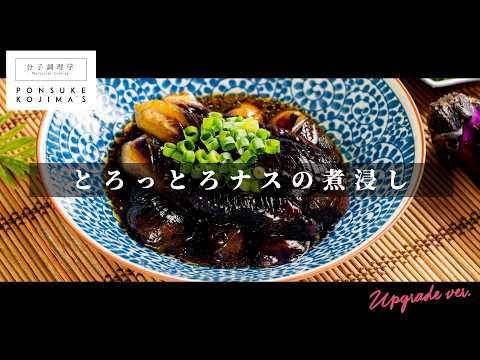
Over 350 Reviews! Melt-in-Your-Mouth Simmered Eggplant (Nasu no Nibitashi)
Ingredients
- 3–4eggplants
- About4 tbsp vegetable oil
- 3tbsp cooking sake
- 3tbsp mirin
- 3tbsp tsuyu (3x concentrated noodle soup base)
About "Simmered Eggplant (Nasu no Nibitashi)"
This recipe explains three key points to make simmered eggplant (Nasu no Nibitashi) incredibly tender, right down to the skin, and melt-in-your-mouth soft inside. The secrets to success are scoring the skin deeply, coating the eggplant with oil in a cold pan before heating, and flipping it at the exact moment the oil is absorbed. The seasoning is incredibly easy to remember, using equal parts (3 tbsp each) of tsuyu (noodle soup base), mirin, and cooking sake. Letting it sit for about 5 minutes after turning off the heat allows the flavors to penetrate deeply for an even more delicious finish.
Introduction to こじまぽん助【分子調理学研究家】 →
Video Timestamps
Tips for Making "Simmered Eggplant (Nasu no Nibitashi)"
-
Prep
- Trim the eggplant cap by peeling off the frilly edges and cutting the stem at an angle like sharpening a pencil. This preserves the nutrient-rich area right under the cap.
-
Prep
- No need to soak in water to remove bitterness. Residual water will cause the oil to splatter, so use them immediately after cutting.
-
Prep
- Score the skin more than halfway through the eggplant's thickness. Keep the knife tip on the board, lift the heel, and tap-tap-tap to avoid cutting all the way through. Place the eggplant diagonally and move the knife straight up and down.
-
Heat control
- Arrange eggplants skin-side down in a cold pan, coat with oil, and then start heating over medium heat. This prevents them from absorbing too much oil while cooking.
-
Heat control
- The best time to flip is when the oil at the bottom of the pan is almost completely absorbed. The skin should have a nice color at this stage.
-
Seasoning
- Lower the heat before adding seasonings to prevent the liquid from splattering and causing burns.
-
Seasoning
- Add equal parts (3 tbsp each) of cooking sake, mirin, and tsuyu (3x concentrated). This ratio is incredibly easy to remember.
-
Heat control
- Simmer skin-side up after adding seasonings to preserve the purple color (nasunin). Simmering skin-side down causes the color to bleed out and turn brown.
-
Seasoning
- When tasting, focus on whether it is too salty. Adjust by simmering longer if too weak, or adding water if too strong.
-
Finishing
- Once simmered, turn off the heat and let it sit for 5 minutes to allow the flavors to soak in before serving.
Ingredients for "Simmered Eggplant (Nasu no Nibitashi)"
5 items* Tap ingredient names to find on Amazon
How to Make "Simmered Eggplant (Nasu no Nibitashi)"
- 1
When choosing eggplants, look for ones that are plump and firm, have a glossy, deep dark purple color, and have sharp, prickly thorns on the stem.
- 2
Trim the eggplant stems. Lightly score around the frilly edge of the cap and peel it off, then trim the stem at an angle while rotating it, like sharpening a pencil. Keep as much of the nutrient-rich area right under the cap as possible.
- 3
Cut the eggplants in half lengthwise.
- 4
Score the skin. Make fine, close cuts that go more than halfway through the thickness of the eggplant. To avoid cutting all the way through, keep the tip of the knife on the cutting board, lift the heel slightly, and tap-tap-tap. Placing the eggplant diagonally and moving the knife straight up and down relative to yourself makes this much easier.
- 5
Place the eggplants skin-side down in a cold frying pan, drizzle about 4 tbsp of vegetable oil over them, and coat them thoroughly. (No need to soak in water to remove bitterness.)
- 6
Start heating over medium heat. Cook without moving them until the oil at the bottom of the pan is almost completely absorbed by the eggplants.
- 7
Once the oil at the bottom of the pan is gone, flip the eggplants skin-side up.
- 8
Turn down the heat momentarily, then add 3 tbsp each of cooking sake, mirin, and tsuyu (3x concentrated).
- 9
Return to medium heat and simmer with the skin-side up until the eggplants become tender.
- 10
Once the simmering liquid thickens slightly, flip them skin-side down and let them absorb the flavors for about 30 seconds.
- 11
Flip them skin-side up again, taste the liquid, and simmer until it reaches the desired concentration. If it is too weak, simmer a bit longer; if too strong, dilute with a little water.
- 12
Once simmered to perfection, turn off the heat and let it sit for about 5 minutes to allow the flavors to soak in before serving.
Detailed Commentary on "Simmered Eggplant (Nasu no Nibitashi)"
* Content organized by topics from the video.
3 Keys to Delicious Simmered Eggplant
Kojima Ponsuke introduces a recipe for simmered eggplant (Nasu no Nibitashi) that is incredibly delicious, using molecular gastronomy principles without requiring special ingredients or complex techniques. Eggplant is a fantastic, budget-friendly summer vegetable. In this recipe, we share three key tips to make even large, halved eggplants melt-in-your-mouth tender all the way to the skin. First, score the skin to solve the tough-skin issue. Second, coat the eggplant with oil before heating to prevent it from absorbing too much oil. Third, master the timing of flipping. We will show you how to cook them to keep their beautiful purple color while making the skin tender. By following these tips, anyone can make restaurant-quality, juicy simmered eggplant without fail.
How to Choose and Prep Eggplant
First, let's look at how to choose delicious eggplants. There are three main indicators: they should be plump and firm, have a glossy, deep dark purple color, and have sharp, prickly thorns on the stem. The thorns are very sharp when harvested, and the pricklier they are, the fresher the eggplant. Next is trimming the stem. Instead of just cutting the cap straight off, lightly score around the frilly edge and peel it away. Then, trim the stem at an angle while rotating it, like sharpening a pencil. The area right under the cap is packed with nutrients, so this method preserves as much of it as possible. Once prepped, cut the eggplants in half lengthwise to give them a satisfying, substantial bite.
Tips for Deeply Scoring the Skin
Our first key tip is scoring the skin. Making deep cuts—about halfway through the thickness of the eggplant—softens the skin and allows heat to penetrate to the center. If you aren't confident with knife skills, here is a foolproof trick: keep the tip of your knife on the cutting board, lift the heel slightly, and tap-tap-tap to make fine cuts. This prevents you from accidentally cutting all the way through. Placing the eggplant diagonally and moving the knife straight up and down relative to your body also makes it much easier. While you can cut them into quarters if it's too difficult, we highly recommend trying this scoring technique to enjoy the satisfying, hearty texture of the halved eggplants.
Why We Coat with Oil Before Heating
Our second key tip is coating the eggplant with oil before heating. Place the eggplants skin-side down in a cold frying pan, drizzle about 4 tbsp of vegetable oil over them, and coat them thoroughly. There is no need to soak them in water to remove bitterness. If moisture remains from soaking, it will cause the oil to splatter, making it harder to cook, so it's best to use them immediately after cutting. The reason we coat them before heating is to prevent the eggplant's tendency to absorb endless amounts of oil once hot. Coating them while cold prevents them from absorbing excess oil during cooking. From a molecular gastronomy perspective, doing this while the temperature is low and the oil is viscous prevents the tissue from contracting and sucking in the thinned, hot oil.
The Perfect Timing to Flip
Our third key tip is the timing for flipping the eggplant. Start cooking over medium heat and pay close attention to the amount of oil at the bottom of the pan. The absolute best time to flip is the exact moment the oil you poured in is almost completely absorbed by the eggplant. When you flip them, you will see the skin has softened slightly and taken on a beautiful color. At this point, lower the heat and add the seasonings. The seasoning is a simple, easy-to-remember ratio of equal parts: 3 tbsp each of cooking sake, mirin, and tsuyu (3x concentrated). Lowering the heat before adding them prevents the liquid from splattering and causing burns. Once added, return to medium heat and simmer until the eggplants are tender.
The Science of Flavor and Adjusting Taste
Once the liquid comes to a simmer, we use a scientific approach to preserve the eggplant's beautiful purple color. The purple pigment, called nasunin, is a water-soluble anthocyanin. If you simmer the eggplant skin-side down, the color will bleed out, turning it brown. To prevent this, simmer them skin-side up. Here, we apply the science of salt and sugar perception. Humans are highly sensitive to salt concentration (preferring around 1%), but relatively insensitive to sugar. Therefore, when tasting, focus on whether it is too salty. Once the liquid reduces slightly, flip them over to taste. If it's too weak, simmer longer; if too strong, dilute with water. Finally, turn off the heat and let them sit for 5 minutes to cool slightly and absorb the flavors.
About こじまぽん助【分子調理学研究家】

こじまぽん助【分子調理学研究家】
15.6万人 subscribers ・ 家庭料理
* Opens YouTube channel
* Subscriber count is as of article creation and may differ from the current number.
