

Recipe
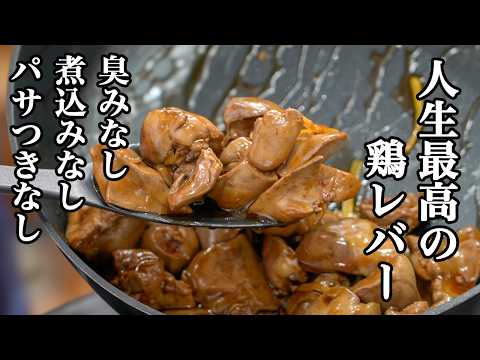
"Is This All the Prep?!" Quick-Simmered Chicken Liver (Better Than Soaking in Water or Milk)
Ingredients
- Chickenliver and hearts: around 350g
- Ginger(julienned): 15g
- Salt:1 pinch
- Sugar:3 pinches
- Oil(for marinade): 1 tbsp
- Soysauce: 1 tbsp
- Mirin:2 tbsp
- Sake:2 tbsp
- Sugar(for sauce): 1.5 tsp
- Potatostarch: 1 tsp
- Water(for boiling): 1L
About "Quick-Simmered Chicken Liver"
This dish features chicken liver marinated in salt, sugar, and oil, gently simmered over low heat for 5 minutes, and tossed with ginger and a soy-based sauce. The sealing effect and low-temperature cooking completely eliminate any gamey odor, resulting in a plump and tender texture. It is a healthy, budget-friendly dish that is high in protein and low in fat.
Tips for Making "Quick-Simmered Chicken Liver"
-
Prep
- Thoroughly removing the white fat and blood clots from the hearts, as well as the liver's juices, dramatically reduces any gamey odor.
-
Prep
- Massaging in salt and sugar, then finishing with oil, creates a 'sealing effect' that prevents moisture loss and protein hardening during cooking.
-
Heat control
- Gently simmering for 5 minutes at around 70°C (158°F) without boiling is the key to achieving a plump, moist texture.
-
Seasoning
- Mixing potato starch into the sauce allows it to thicken gradually as it heats, coating the liver beautifully with a glossy finish.
-
Ingredients
- Julienning the ginger provides a better mouthfeel than mincing or grating, releasing a wonderfully gentle and pleasant aroma.
Ingredients for "Quick-Simmered Chicken Liver"
11 items* Tap ingredient names to find on Amazon
How to Make "Quick-Simmered Chicken Liver"
- 1
Slice 15g of unpeeled ginger, then cut into fine julienne strips.
- 2
Transfer the chicken liver and hearts to a strainer, lightly rinse off the surface juices under running water, and drain well.
- 3
Cut off the white fat from the hearts, slice them in half lengthwise, and scrape out any blood clots inside.
- 4
Cut the liver into bite-sized pieces.
- 5
Place the cut liver and hearts in a bowl, add 1 pinch of salt and 3 pinches of sugar, and massage them in.
- 6
Add 1 tbsp of oil and mix gently to coat everything evenly.
- 7
In a small bowl, thoroughly mix 1 tbsp of soy sauce, 2 tbsp of mirin, 2 tbsp of sake, 1.5 tsp of sugar, and 1 tsp of potato starch.
- 8
Bring 1L of water to a rolling boil in a deep frying pan.
- 9
Add all the liver and hearts to the boiling water at once, then immediately reduce the heat to low.
- 10
Simmer for 5 minutes, maintaining a gentle ripple on the water's surface at around 70°C (158°F).
- 11
After 5 minutes, turn off the heat, drain the hot water while running cold tap water (to protect the pipes), and scoop the liver out into a strainer.
- 12
In the lightly rinsed frying pan, add the julienned ginger and the well-stirred sauce, then place over low heat.
- 13
Stir with a spatula and heat until the potato starch cooks through and thickens.
- 14
Once the sauce comes to a full boil and the thickness stabilizes, return the boiled liver to the pan and gently toss to coat.
- 15
Once the sauce coats everything and becomes glossy, transfer to a plate and serve.
Food Science
In addition to the water-retaining effects of massaging with salt and sugar, cooking at a low temperature of around 70°C (158°F) after reducing the heat prevents rapid protein coagulation, keeping the liver moist and tender instead of dry. Furthermore, the thickening from the potato starch added to the sauce coats the surface of the liver, sealing in flavor and moisture while providing a smooth mouthfeel.
Detailed Commentary on "Quick-Simmered Chicken Liver"
* Content organized by topics from the video.
Julienne the Ginger While the Board is Clean!
At the very beginning of cooking, start by prepping 15g of ginger. Cutting the vegetables while the cutting board is still clean saves you the trouble of washing it multiple times later. There is no need to peel the ginger. First, slice it thinly, and then cut those slices into fine matchsticks to julienne them. After testing various methods like mincing and grating, we found that these fine julienne strips offer the best mouthfeel and bring out the flavor best when eaten with the chicken liver. It creates a perfect balance where the ginger isn't too overpowering but releases a wonderfully pleasant aroma. If you don't have ginger on hand, don't worry—you can make this dish without it. Once cut, set it aside in a small bowl.
Quickly Rinse the Chicken Liver
Next, move on to prepping the main ingredient, chicken liver. For this recipe, we are using a pack of about 350g containing both chicken liver and hearts. Some supermarkets sell chicken liver on its own, and you can use that in the same quantity. When you open the package, you will notice a lot of red juices (purge) inside. Leaving these juices on the meat will cause an unpleasant gamey odor in the finished dish. To prevent this, transfer all the chicken liver to a strainer set over a bowl, and quickly rinse the surface under cold running tap water. Don't spend too much time on this; a light rinse to clean the surface is more than enough. Once rinsed, drain the water thoroughly.
Remove Fat and Blood Clots to Eliminate Odor
Place the rinsed chicken liver on the cutting board to separate the hearts from the livers. The round, plump parts are the hearts. First, cut through the white connective tissue to separate the hearts. At the top of each heart, there is a soft, white clump of fat. Since this fat causes odor, trim it off cleanly with your knife. Next, cut the hearts in half lengthwise. Once cut, you will see dark blood clots inside. Because the heart acts as a pump for blood, clots easily remain inside. Gently scrape these blood clots out using the tip of your knife. It might seem like a bit of extra effort, but this single step dramatically reduces any gamey smell and makes the final dish look beautiful.
Cutting the Liver & Its Surprising Nutrition
Next, cut the liver. The liver consists of lobes of different sizes, usually divided into larger and smaller pieces. Keep the smaller pieces as they are, and cut the larger ones in half into bite-sized pieces. Here is a surprising trivia about chicken liver: it is actually an incredibly healthy, high-protein, and low-fat ingredient. Compared to standard chicken thighs, it contains only about one-tenth of the fat! While foie gras—a luxury ingredient made by artificially fattening goose liver—is high in fat, regular chicken liver is very lean and healthy. On top of that, it is highly affordable, making it a budget-friendly, wonderful ingredient. Once you finish cutting, clean up your cutting board and knife.
The Magic Prep to Prevent Dryness!
Place the cut chicken liver and hearts in a bowl for a special prep step that completely prevents them from drying out. First, add 1 pinch of salt (the amount you grab with your thumb, index, and middle fingers) and 3 pinches of sugar, then massage them in thoroughly by hand. Massaging in sugar helps keep the liver moist due to its high water-retaining properties. Adding a small amount of salt helps bind the proteins during cooking, preventing moisture from escaping. Now, here is the most crucial part: finish by adding 1 tbsp of oil (such as vegetable oil) and mixing gently to coat everything. This creates a 'sealing effect'—the oil film on the surface prevents moisture loss during boiling and keeps the proteins from turning tough due to sudden heat exposure.
The Golden Ratio Sauce & Boiling Secrets
While waiting for the water to boil, mix the sauce that will define the flavor. In a small bowl, thoroughly combine 1 tbsp of soy sauce, 2 tbsp of mirin, 2 tbsp of sake, 1.5 tsp of sugar (half a tablespoon), and 1 tsp of potato starch. Instead of simmering the liver in a large amount of liquid like traditional shigureni, this recipe gently coats them in a small amount of sauce. Next, prepare a deep frying pan with plenty of boiling water. Once the water reaches a rolling boil, add all the prepped chicken liver at once. As soon as you add the liver, immediately reduce the heat to an ultra-low simmer. Without letting it boil, maintain a low temperature (around 70°C / 158°F) where the surface of the water gently ripples, and simmer slowly for 5 minutes.
Plump, Tender Results & Finishing Touches
After boiling for 5 minutes, turn off the heat and drain the water while running cold tap water (to protect your pipes from the hot water), then scoop the liver out into a strainer. There is no need to shock them in cold water. If you touch the boiled chicken liver, you will find it incredibly plump and springy, with almost no scum on the surface. Boiling liver without proper prep usually turns the water black and makes the liver dry and crumbly, but this method yields a moist and beautiful result. To finish, place the julienned ginger and the well-stirred sauce (make sure the starch hasn't settled) into the lightly rinsed frying pan. Heat over low heat while stirring with a spatula; as the starch cooks, it will gradually thicken into a glossy glaze. Once it fully bubbles and stabilizes, return the boiled liver to the pan and gently toss to coat.
Odor-Free & Ultra-Moist! Tasting Time
Once the sauce thoroughly coats the liver, reduces, and becomes glossy, transfer it to a serving dish. The finished Quick-Simmered Chicken Liver looks as beautiful as a restaurant dish, with each piece plump and shining. When the host lifts a piece of liver with chopsticks, its springiness and plump texture are clearly visible. Taking a bite with some ginger, the host exclaims, 'Mmm! This is incredible, absolutely delicious!' There is none of the dryness or graininess that often plagues cooked liver; instead, it is amazingly moist and juicy. The gamey odor is completely gone, and the sweet-savory sauce harmonizes perfectly with the refreshing aroma of the ginger. This is a highly recommended recipe that even those who dislike liver should try.
About 食事処さくらの料理教室

食事処さくらの料理教室
101万人 subscribers ・ 家庭料理
* Opens YouTube channel
* Subscriber count is as of article creation and may differ from the current number.
