

Recipe
#358 Hearty & Satisfying! Tuscan Bean Soup 'Zuppa di Fagioli' with Homemade Salsiccia | Pasta | Traditional Italian Soup

Ingredients
- Driedcannellini beans 500g
- Driedborlotti (cranberry) beans 500g
- Onions2
- Carrot1/2
- Celerystalk 1
- Garliccloves 2
- Tomatosauce (homemade) 60g
- Bayleaves 2
- Thymesprig 1
- Brothto taste
- Kombudashi (kelp water) to taste
- Extravirgin olive oil to taste
- [Salsiccia]Ground pork (lean) 400g
- [Salsiccia]Pancetta 200g
- [Salsiccia]Fresh rosemary (finely chopped) 4g
- [Salsiccia]Nutmeg to taste
- [Salsiccia]Black pepper to taste
- [Salsiccia]Salt a pinch (adjust based on the saltiness of the pancetta)
- [Finishing/ Per Serving] Zuppa di Fagioli (soup from above) 200g
- [Finishing/ Per Serving] Stracci (hand-cut rustic pasta, or torn store-bought short pasta) 50g
- [Finishing/ Per Serving] Salsiccia (from above) 100g
- [Finishing/ Per Serving] Raw onion (very finely minced) to taste
- [Finishing/ Per Serving] Parmigiano-Reggiano to taste
- [Finishing/ Per Serving] Pecorino Romano to taste
- [Finishing/ Per Serving] Extra virgin olive oil to taste
- [Finishing/ Per Serving] Black pepper to taste
About "Zuppa di Fagioli (Tuscan Bean Soup)"
This authentic recipe features 'Zuppa di Fagioli,' a traditional bean soup from Tuscany, Italy, served with homemade salsiccia (sausage) and rustic, hand-cut pasta (stracci). Cannellini and borlotti beans are soaked overnight, simmered in a rich blend of broth and kombu dashi, and slow-cooked with aromatic vegetables and tomato sauce. Most of the beans are blended into a rich, velvety puree, combined with savory, browned salsiccia, and topped with Pecorino Romano, Parmigiano-Reggiano, finely minced raw onion, and extra virgin olive oil for a classic Tuscan finish.
Introduction to ポンテベッキオ山根大助の全力イタリアン →
Tips for Making "Zuppa di Fagioli (Tuscan Bean Soup)"
-
Prep
- Soak the cannellini and borlotti beans separately in water overnight to rehydrate.
-
Cooking Liquid
- Simmer the beans in a mixture of broth and kombu dashi instead of plain water to infuse the soup with deep umami.
-
Prep
- Carefully skim off any foam once the pot comes to a boil.
-
Sautéing Aromatics
- Lightly sauté the carrot, celery, onion, and garlic in olive oil to draw out their sweetness and aroma rather than cooking them completely. Add them to the bean pot along with their cooking oil.
-
Tomato Sauce
- Cook the tomato sauce quickly (until reduced to 1/3) to preserve its fresh sweetness and richness. Avoid over-simmering, which causes oxidation and increases acidity.
-
Salsiccia Meat
- When combining with pancetta (or bacon), choose lean ground pork with less fat. If the pork is too fatty, the fat will melt away during cooking, losing the meaty texture.
-
Salsiccia Seasoning
- Since pancetta is already salty, add only a tiny pinch of salt to the salsiccia. Aim for a slightly bold saltiness to provide a nice accent to the soup.
-
Finishing Soup
- Once the beans are tender, set aside some whole beans for topping. Remove tough herbs like bay leaves, then blend the rest into a smooth puree. Adjust with broth if too thick.
-
Searing Salsiccia
- The salsiccia does not need to be fully cooked through. Once the surface is nicely browned, add it to the soup along with its rendered fat.
-
Pasta Texture
- The pasta is best served slightly softer than al dente, allowing it to absorb the soup and become tender.
-
Plating
- For a traditional Tuscan finish, top with grated Pecorino Romano and Parmigiano-Reggiano, finely minced raw onion, extra virgin olive oil, and black pepper.
Ingredients for "Zuppa di Fagioli (Tuscan Bean Soup)"
26 items* Tap ingredient names to find on Amazon
- Driedcannellini beans 500g
- Driedborlotti (cranberry) beans 500g
- Onions2
- Carrot1/2
- Celerystalk 1
- Garliccloves 2
- Tomatosauce (homemade) 60g
- Bayleaves 2
- Thymesprig 1
- Brothto taste
- Kombudashi (kelp water) to taste
- Extravirgin olive oil to taste
- [Salsiccia]Ground pork (lean) 400g
- [Salsiccia]Pancetta 200g
- [Salsiccia]Fresh rosemary (finely chopped) 4g
- [Salsiccia]Nutmeg to taste
- [Salsiccia]Black pepper to taste
- [Salsiccia]Salt a pinch (adjust based on the saltiness of the pancetta)
- [Finishing/ Per Serving] Zuppa di Fagioli (soup from above) 200g
- [Finishing/ Per Serving] Stracci (hand-cut rustic pasta, or torn store-bought short pasta) 50g
- [Finishing/ Per Serving] Salsiccia (from above) 100g
- [Finishing/ Per Serving] Raw onion (very finely minced) to taste
- [Finishing/ Per Serving] Parmigiano-Reggiano to taste
- [Finishing/ Per Serving] Pecorino Romano to taste
- [Finishing/ Per Serving] Extra virgin olive oil to taste
- [Finishing/ Per Serving] Black pepper to taste
How to Make "Zuppa di Fagioli (Tuscan Bean Soup)"
- 1
[Day Before] Soak the cannellini and borlotti beans separately in plenty of water overnight to rehydrate.
- 2
[Tomato Sauce] Sauté onions, add canned whole tomatoes, and simmer quickly until reduced to about 1/3 of its volume to make a simple tomato sauce.
- 3
[Cooking the Beans] Place roughly equal amounts of the rehydrated cannellini and borlotti beans into a pot. Pour in a mixture of broth and kombu dashi until it generously covers the beans. Add the thyme, bring to a boil, and carefully skim off any foam.
- 4
[Sautéing Aromatics] Chop the carrot, celery, and onion into sizes that will soften in about the same time as the beans. Heat olive oil in a pan and lightly sauté them with the garlic to bring out their sweetness and aroma.
- 5
[Adding Vegetables to the Pot] Add the sautéed vegetables along with their cooking oil to the pot of beans. Add the bay leaves and simmer gently over low heat.
- 6
[Adding Tomato Sauce] After about 1 hour of simmering, add 60g of the prepared tomato sauce to the pot and continue cooking until the beans are completely tender.
- 7
[Making Salsiccia] In a bowl, combine 400g of ground pork and 200g of finely ground pancetta. Add the chopped fresh rosemary, black pepper, nutmeg, and a small pinch of salt. Lightly coat your hands with olive oil and knead the mixture thoroughly until it comes together. Fry a small portion in a pan to taste and adjust the seasoning.
- 8
[Preparing the Pasta] Cut the pasta sheets (or store-bought short pasta) into rustic, irregular shapes (stracci) using a fluted pastry cutter or by hand.
- 9
[Finishing the Soup] Once the beans are completely tender, set aside a small portion of whole beans for the topping. Remove the bay leaves and any other tough herbs from the remaining soup, then blend with an immersion blender until smooth and creamy. If the soup is too thick, adjust the consistency by adding a little broth.
- 10
[Sautéing Salsiccia] Sauté the salsiccia in a pan until nicely browned on the surface (it does not need to be fully cooked through). Add the meat along with its rendered fat to the pureed soup, and return the reserved whole beans to the pot.
- 11
[Combining with Pasta] Boil the pasta in salted water, then add it to the soup. Simmer gently for a short time to let the pasta absorb the soup (ideally, it should be slightly softer than al dente).
- 12
[Plating] Ladle the soup into warmed bowls. Generously grate both Pecorino Romano and Parmigiano-Reggiano over the top. Scatter the finely minced raw onion, drizzle with extra virgin olive oil, sprinkle with black pepper, and serve.
Detailed Commentary on "Zuppa di Fagioli (Tuscan Bean Soup)"
* Content organized by topics from the video.
Traditional Bean Soup & Key Ingredients
Today, we are making 'Zuppa di Fagioli,' a traditional bean soup deeply loved in the Tuscany region of Italy. The stars of this dish are two types of beans: borlotti (cranberry beans) and cannellini (white kidney beans). Both are dried and soaked in water overnight to rehydrate. For the aromatic vegetable base (mirepoix), we prepare celery, carrots, onions, and garlic, along with bay leaves and thyme for fragrance. To add deep richness and umami to the soup, we will also make homemade salsiccia (sausage) using a combination of ground pork and pancetta (cured pork belly). For the pasta, we use homemade pasta sheets kneaded with extra egg yolks, but tearing up store-bought short pasta works beautifully as well.
Simmering Beans & Aromatics
We begin by cooking the beans until tender. Place the rehydrated borlotti and cannellini beans in a pot at roughly a 50/50 ratio. To infuse the soup with deep umami, we simmer them in a combination of broth and kombu dashi instead of plain water. Add thyme for aroma, and once it boils, carefully skim off any foam. Next, chop the carrots, celery, and onions into pieces that will soften at a similar rate to the beans. Lightly sauté these vegetables in a pan with heated olive oil. The goal here is not to cook them completely, but rather to draw out their natural sweetness and fragrance. Once the garlic is added and becomes aromatic, transfer all the sautéed vegetables into the pot with the beans. Add bay leaves and thyme, and simmer slowly over low heat until the beans are perfectly tender.
Quick Salsiccia with Pancetta
While the soup is simmering, we make the quick salsiccia (sausage), which serves as the key source of umami. In a bowl, combine the ground pork with finely ground pancetta. Since we are adding about 200g of pancetta to 400g of pork, keep the added salt to a minimum (or omit it entirely) to account for the pancetta's natural saltiness. Add pepper, nutmeg, and finely chopped fresh rosemary. Rub a little olive oil on your hands and knead the mixture thoroughly until it binds together. When combining ground pork with pancetta or bacon, the trick is to choose lean ground pork with less fat. If the pork is too fatty, the fat will completely melt away during cooking, leaving no meaty texture. Once kneaded, fry a tiny portion to taste-test, ensuring a well-balanced, slightly bold saltiness that will accent the soup beautifully.
Rustic Pasta & Secret Tomato Sauce
Next, cut the pasta sheets into rustic shapes. Using a fluted pasta cutter, we cut them into irregular pieces known as 'stracci' (meaning 'rags' in Italian) or 'malformati' (meaning 'badly formed'). Since bean soup has a very thick and heavy texture, incorporating these rustic, uneven pasta pieces breaks up the heaviness and makes the dish much more enjoyable to eat. After the beans have simmered for about an hour, add a small amount of homemade tomato sauce to the pot. This simple sauce is made by sautéing onions, adding canned whole tomatoes, and quickly reducing the mixture to about one-third of its volume. Simmering tomato sauce for too long causes oxidation, which intensifies the acidity. The professional secret is to cook it quickly to preserve its fresh sweetness and rich depth.
Blending the Rich, Velvety Soup
Once the beans are completely tender, we move on to the finishing steps. First, set aside a small portion of whole beans to use as a topping. For the remaining beans and vegetables, remove any tough herbs like bay leaves, then blend them with an immersion blender until smooth and creamy. There is no need to strain it through a sieve; a thorough blending is more than enough for home cooking. If the soup is too thick, add a little broth to adjust it to your preferred consistency. Next, sauté the prepared salsiccia in a pan. You don't need to cook it all the way through; just get a nice, savory sear on the surface. Add this beautifully browned salsiccia along with its rendered fat into the pureed soup, and return the reserved whole beans to the pot. Finally, add the boiled pasta to the soup and simmer briefly to let the flavors meld.
Plating & Tasting Tuscan Tradition
Ladle the soup into warmed bowls and add the final toppings. First, generously grate both Pecorino Romano (sheep's milk cheese) and Parmigiano-Reggiano over the top. While Pecorino pairs exceptionally well with bean dishes, adding the richness of Parmigiano creates an even deeper flavor profile. Following Tuscan tradition, scatter a small amount of extremely finely minced raw onion, then finish with a drizzle of high-quality olive oil and a sprinkle of black pepper. During the tasting, Director Ishikawa exclaimed, 'This tastes incredibly Italian!' The pasta is best served not al dente, but slightly soft and tender from absorbing the rich soup. Chef Yamane shared a profound reflection on his culinary journey, noting, 'It takes 40 years of experience to truly understand and embody the authentic deliciousness of such simple, rustic regional dishes.'
About ポンテベッキオ山根大助の全力イタリアン
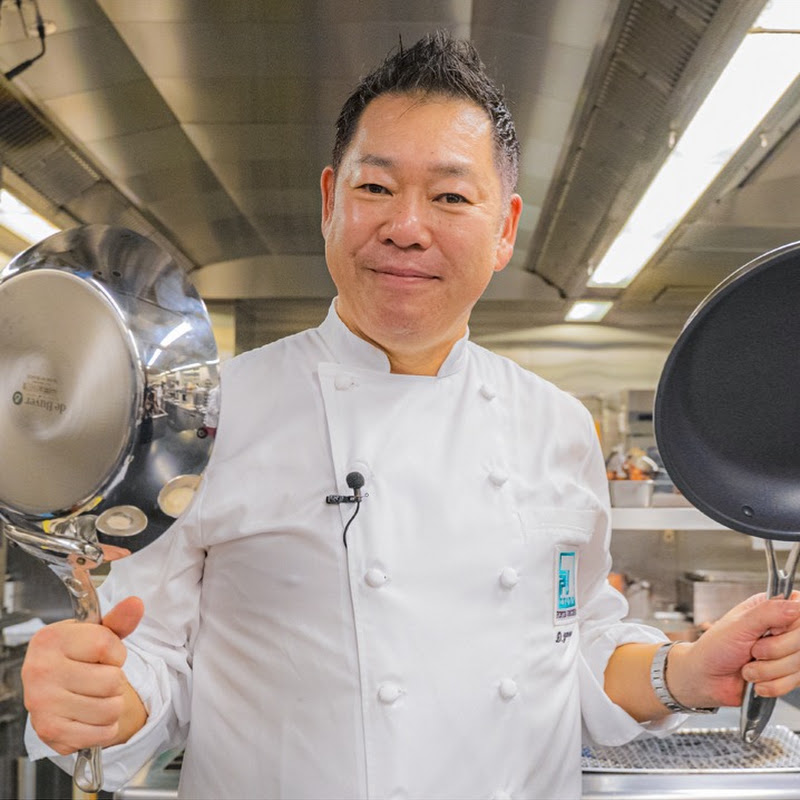
ポンテベッキオ山根大助の全力イタリアン
3.6万人 subscribers ・ イタリアン
* Opens YouTube channel
* Subscriber count is as of article creation and may differ from the current number.
