

Recipe
[Turn Off the Heat Before Dissolving Miso!] 2 Miso Recipes from a 150-Year-Old Yokohama Koji Shop | Koizumi Kojiya
Ingredients
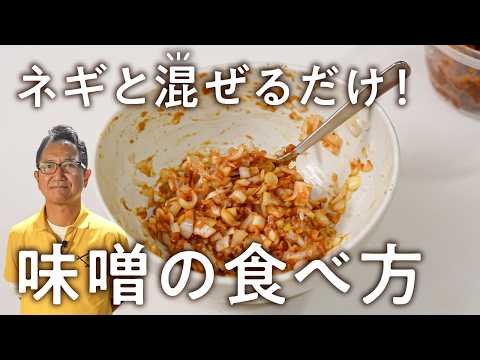
- [GreenOnion Miso]
- 1/2Japanese long green onion
- 1tbsp Miso (wheat-blend miso)
- [Tonjiru(Pork Miso Soup)]
- 100gPork belly (sliced)
- 80gDaikon radish
- 60gCarrot
- 80gLotus root
- 100gBurdock root
- 1/2Japanese long green onion
- 120gTaro root (peeled weight)
- Saltto taste
- 80gShimeji mushrooms
- 900mlWater
- 70gMiso (wheat-blend miso)
- 1/2tbsp Sesame oil
- Shichimitogarashi (seven-spice powder) to taste
About "Green Onion Miso and Tonjiru (Pork Miso Soup)"
Recipes for green onion miso and tonjiru (pork miso soup) taught by the 5th-generation owner of Koizumi Kojiya, a koji shop in Yokohama with over 150 years of history. Green onion miso, a mixture of green onions and miso, is perfect for rice or rice balls. For the hearty tonjiru, the key is to turn off the heat before dissolving the miso to preserve its aroma and nutrients. Learn about traditional fermented food culture using handmade koji.
Introduction to Kurashiru [クラシル] →
Tips for Making "Green Onion Miso and Tonjiru (Pork Miso Soup)"
-
Dissolving Miso
- Dissolving miso while boiling destroys its nutrients and aroma. Always turn off the heat first and dissolve it carefully in a ladle.
-
Taro Prep
- After peeling the taro root, rub it with salt and rinse under running water to remove the sliminess, improving its texture.
-
Skimming Foam
- Carefully skimming off the foam when the tonjiru boils ensures a clean, clear flavor free of bitterness and harshness.
-
Koji Temperature
- Koji making requires strict temperature (around body temp) and humidity control. Low temps prevent mold growth, while high temps cause stickiness and lower quality.
Ingredients for "Green Onion Miso and Tonjiru (Pork Miso Soup)"
17 items* Tap ingredient names to find on Amazon
- [GreenOnion Miso]
- 1/2Japanese long green onion
- 1tbsp Miso (wheat-blend miso)
- [Tonjiru(Pork Miso Soup)]
- 100gPork belly (sliced)
- 80gDaikon radish
- 60gCarrot
- 80gLotus root
- 100gBurdock root
- 1/2Japanese long green onion
- 120gTaro root (peeled weight)
- Saltto taste
- 80gShimeji mushrooms
- 900mlWater
- 70gMiso (wheat-blend miso)
- 1/2tbsp Sesame oil
- Shichimitogarashi (seven-spice powder) to taste
How to Make "Green Onion Miso and Tonjiru (Pork Miso Soup)"
- 1
[Green Onion Miso]
- 2
Finely chop the green onion
Finely chop 1/2 of the Japanese long green onion.
- 3
Mix the green onion and miso
In a bowl, combine the finely chopped green onion and miso. Mix and knead well with a spoon until it becomes sticky. As you mix, moisture will release from the green onion, turning the mixture into a sticky paste.
- 4
Serve in a dish
Transfer the finished green onion miso to a serving dish.
- 5
[Tonjiru]
- 6
Cut the daikon radish
Peel 80g of daikon radish and slice it into thin quarter-rounds.
- 7
Cut the carrot
Peel 60g of carrot and slice it into thin half-rounds.
- 8
Prepare the lotus root
Peel 80g of lotus root and slice into 5mm-thick half-rounds. Soak briefly in water, then drain.
- 9
Prepare the burdock root
Shave 100g of burdock root (sasagaki style), soak briefly in water, then drain.
- 10
Cut the green onion
Thinly slice 1/2 of the Japanese long green onion.
- 11
Prepare the taro root
Peel 120g of taro root (peeled weight) and slice into 7mm-thick rounds. Sprinkle with salt, rub well, and rinse under running water to remove the sliminess.
- 12
Cut the pork belly
Cut 100g of pork belly into 1cm-wide strips.
- 13
Sauté the pork belly
Heat 1/2 tbsp of sesame oil in a pot over medium heat, add the sliced pork belly, and sauté. Once the pork pieces separate, add the daikon, carrot, and green onion, and sauté together.
- 14
Sauté the remaining vegetables
Once the oil is well incorporated, add the lotus root and burdock root, sauté briefly, then add the taro root and sauté further.
- 15
Add water and heat
Once the vegetables soften slightly, add 900ml of water and 80g of shimeji mushrooms, and bring to a boil over high heat.
- 16
Skim the foam and simmer
Once boiling, carefully skim off any foam (scum) from the surface, cover with a lid, and simmer for 15 to 20 minutes.
- 17
Dissolve the miso
Once the ingredients are cooked through, turn off the heat and add 70g of miso. Dissolve the miso carefully in a ladle before mixing it into the soup.
- 18
Reheat
Heat again over medium heat, and remove from the heat just as it warms up.
- 19
Serve and enjoy
Ladle into bowls and sprinkle with shichimi togarashi to taste to complete the dish.
Food Science
A synergistic umami effect is created by combining the pork (inosinic acid), vegetables like daikon and miso (glutamic acid), and shimeji mushrooms (guanylic acid) in the tonjiru. Additionally, dissolving the miso after turning off the heat prevents the volatile aroma compounds from evaporating due to boiling. This protects the miso's naturally rich flavor and fragrance from heat degradation, allowing you to enjoy them to the fullest.
Detailed Commentary on "Green Onion Miso and Tonjiru (Pork Miso Soup)"
* Content organized by topics from the video.
The Passion of 150-Year-Old Koizumi Kojiya
Satoshi Koizumi is the 5th-generation owner of Koizumi Kojiya, which is celebrating its 157th year in Yokohama. Having revived a family business that was once on the brink of disappearing, he continues to protect their traditional handmade koji. The shop sells 'Miso Making Kits' containing miso, koji, and salt, driven by his passionate desire to spread the culture of homemade miso across Japan. While honoring traditional methods, he works hard every day to pass down Japan's fermented food culture to the next generation. His warm personality and deep love for koji truly shine through.
Easy & Delicious Green Onion Miso
First up is a quick and versatile 'Green Onion Miso.' The recipe is incredibly simple: finely chop green onions, add miso, and knead them together well with a spoon. As you mix, moisture from the green onions creates a sticky, cohesive paste. This green onion miso is fantastic as a simple snack to pair with drinks, and it tastes amazing spooned over hot rice. It is also highly recommended as a spread for grilled rice balls (yaki-onigiri) to get a lovely charred aroma. Even the shop owner couldn't help but smile and say, 'Oh, delicious! This is so good!' It's a simple yet deep flavor packed with the wisdom of a traditional koji shop, perfect for busy days.
What is Koji? A Craftsman's Dedication
What exactly is 'koji'? It is a grain inoculated with koji mold (Aspergillus oryzae) to allow it to propagate. When grown on rice, it becomes rice koji; on wheat, wheat koji; and on soybeans, soy koji. Koji mold is a native microbe originally found in Japanese soil, deeply rooted in Japan's climate and environment. The most critical factors in making koji are temperature and humidity control. The optimal temperature for koji mold to grow is around human body temperature. This temperature and humidity must be maintained constantly from start to finish. If the temperature drops even for a moment, the mold won't take hold; if it gets too high, the mold will 'sweat' and become sticky, ruining the quality. It is a delicate process that showcases the craftsman's skill in communicating with a living organism.
Traditional Miso & the Art of Skimming
Miso making begins by precisely measuring four ingredients: soybeans, rice koji, wheat koji, and salt. These are thoroughly mixed and finely mashed using a machine called a chopper. At this stage, the cooking liquid from the soybeans is added to adjust the final consistency. Right after mixing, it absorbs moisture and becomes temporarily firm, but as it ages, it matures into a moist, smooth miso. Koizumi Kojiya's greatest dedication lies in carefully skimming off the foam (scum) by hand when boiling the soybeans. This foam causes bitterness and harshness; removing it dramatically changes the final flavor, even when using the exact same ingredients. Finally, the surface is smoothed, covered with plastic wrap, and left to age slowly for about six months.
Cooking the Hearty Special Tonjiru
Next, we make the 'Special Tonjiru' straight from Koizumi Kojiya. The ingredients include daikon radish, carrot, lotus root, burdock root, green onion, taro root, and pork belly. Peel the lotus root and slice into 5mm-thick half-rounds, and shave the burdock root (sasagaki style), soaking both in water before draining. Peel the taro root, slice into 7mm-thick rounds, rub with salt, and rinse under running water to remove the sliminess. Heat sesame oil in a pot, sauté the pork belly cut into 1cm-wide strips, and once the color changes, add all the vegetables except the green onions. Once coated in oil, add water. When the pork is cooked through, add the shimeji mushrooms and heat over high heat. Once boiling, carefully skim off the foam, cover, and simmer gently for 15 to 20 minutes.
The Golden Rule: Turn Off Heat for Miso
The ultimate secret to making delicious miso soup is to 'turn off the heat when dissolving the miso.' If you dissolve miso into a boiling soup, the heat-sensitive nutrients in the miso will be destroyed, and its signature rich aroma and flavor will evaporate. Therefore, always turn off the heat first, and dissolve the miso carefully in a ladle before mixing it in. Ladle into bowls and sprinkle with shichimi togarashi to taste to complete this soul-warming special tonjiru. Upon tasting, the owner smiled with satisfaction, saying, 'Delicious, this is so good.' The cornerstones of Japanese cuisine—miso, soy sauce, sake, and mirin—are all made from koji, making it indispensable to the Japanese diet. Incorporate miso, which contains live beneficial microbes, into your daily meals to support your gut health!
About Kurashiru [クラシル]

Kurashiru [クラシル]
176万人 subscribers ・ 家庭料理/多ジャンル
* Opens YouTube channel
* Subscriber count is as of article creation and may differ from the current number.
