

Recipe
[Pro Technique] How to Prep Supermarket Shrimp to Restaurant Quality

Ingredients
- 8shell-on Sea Tiger (or White Tiger) shrimp (approx. 230g)
- 2pinches salt (for removing odor)
- 1tbsp potato starch (for removing odor)
- 1tbsp water (for removing odor)
- 2pinches salt (for seasoning, approx. 1/4 tsp)
- Apinch of pepper (for seasoning)
- 2tbsp cooking sake (or sake + Shaoxing wine, divided)
- 1.5tbsp potato starch (for coating)
- 1tsp oil (for coating)
- Asmall amount of oil (for stir-frying)
- 1tbsp cooking sake (for steaming)
- 2tbsp hot water
- 1/4tsp chicken bouillon powder
- 1/4tsp salt (for sauce)
- 1/3tsp sugar
- Apinch of pepper (for sauce)
- Potatostarch slurry (potato starch dissolved in water), to taste
About "Shrimp Prep (Finished with Salt Stir-Fry)"
This video demonstrates professional shrimp prep using shell-on Sea Tiger (White Tiger) shrimp. After removing impurities and odor with salt and potato starch, the shrimp are thoroughly dried and seasoned with salt, pepper, sake, starch, and oil. Based on the philosophy that 'seasoning is 90% of shrimp dishes,' this careful prep yields an incredibly plump texture. The dish is finished as a simple salt stir-fry to maximize the natural sweetness and aroma of the shrimp.
Introduction to 菰田欣也の中華教えちゃいます‼︎ →
Tips for Making "Shrimp Prep (Finished with Salt Stir-Fry)"
-
Ingredients
- Choose shell-on shrimp. The shell protects the meat, preventing damage and keeping out off-flavors. Wild saltwater shrimp (like Sea Tiger or White Tiger) are highly recommended for their strong, natural aroma.
-
Prep
- Peel the shells while pulling the tail section out smoothly to avoid crushing the meat. Cut along the back to thoroughly remove the veins, which are more prominent in wild shrimp.
-
Removing Odor
- Place shrimp in a bowl, add 2 pinches of salt, 1 tbsp of potato starch, and 1 tbsp of water. Massage to absorb dirt and odor, then rinse quickly. Do not soak too long or they will get soggy.
-
Drying
- Wrap the shrimp in paper towels and press gently to thoroughly remove moisture. This is crucial, as any remaining water will prevent the seasoning from penetrating.
-
Seasoning
- 'Seasoning is 90% of shrimp dishes.' Massage with salt and pepper until sticky, let them absorb cooking sake (or sake + Shaoxing wine) in two 1 tbsp batches, then coat with potato starch and oil.
-
Heat Control
- Start cooking over low heat, not high heat, to prevent the shrimp from shrinking. Once flipped, drizzle with sake, cover, and steam over low heat for 1 minute (Komoda's 1-minute rule).
-
Finishing
- After steaming, turn the heat to medium and toss with the sauce. Keeping the seasoning simple highlights the natural sweetness and aroma of the shrimp.
Ingredients for "Shrimp Prep (Finished with Salt Stir-Fry)"
17 items* Tap ingredient names to find on Amazon
- 8shell-on Sea Tiger (or White Tiger) shrimp (approx. 230g)
- 2pinches salt (for removing odor)
- 1tbsp potato starch (for removing odor)
- 1tbsp water (for removing odor)
- 2pinches salt (for seasoning, approx. 1/4 tsp)
- Apinch of pepper (for seasoning)
- 2tbsp cooking sake (or sake + Shaoxing wine, divided)
- 1.5tbsp potato starch (for coating)
- 1tsp oil (for coating)
- Asmall amount of oil (for stir-frying)
- 1tbsp cooking sake (for steaming)
- 2tbsp hot water
- 1/4tsp chicken bouillon powder
- 1/4tsp salt (for sauce)
- 1/3tsp sugar
- Apinch of pepper (for sauce)
- Potatostarch slurry (potato starch dissolved in water), to taste
How to Make "Shrimp Prep (Finished with Salt Stir-Fry)"
- 1
Peel all the shell-on Sea Tiger shrimp. Pull the tail section out smoothly to avoid crushing the meat.
- 2
Make a shallow cut along the back to butterfly them, and carefully remove the veins.
- 3
Place the shrimp in a bowl, add 2 pinches of salt, 1 tbsp of potato starch, and 1 tbsp of water. Massage thoroughly by hand to absorb impurities and odor.
- 4
Rinse quickly with water and drain in a strainer (do not soak in water for too long).
- 5
Wrap the shrimp in paper towels and press gently to completely wipe away any moisture.
- 6
Sprinkle 2 pinches of salt (approx. 1/4 tsp) and a pinch of pepper over the shrimp, then massage thoroughly by hand until they become sticky.
- 7
Add 1 tbsp of cooking sake and massage well to let the shrimp absorb the liquid.
- 8
Add another 1 tbsp of cooking sake and massage well again.
- 9
Add 1.5 tbsp of potato starch to coat the shrimp, then add 1 tsp of oil to lightly coat them (prep complete).
- 10
Make the sauce: Combine 2 tbsp of hot water, 1/4 tsp of chicken bouillon powder, 1/4 tsp of salt, 1/3 tsp of sugar, a pinch of pepper, and potato starch slurry.
- 11
Heat a small amount of oil in a pan, arrange the prepped shrimp, and cook over low heat.
- 12
Once the shrimp plump up, flip them over, drizzle in 1 tbsp of cooking sake, cover with a lid, and steam over low heat for 1 minute.
- 13
Remove the lid, turn the heat to medium, add the sauce mixture, and toss to coat the shrimp completely.
Detailed Commentary on "Shrimp Prep (Finished with Salt Stir-Fry)"
* Content organized by topics from the video.
Step 1 to Restaurant Quality: Shell-On Shrimp
The third installment of our pro-technique masterclass! Today, we're sharing a prep method that will dramatically elevate supermarket shrimp for all the shrimp lovers out there. First and foremost is how you choose your shrimp. Always opt for 'shell-on shrimp.' The shell protects the meat from damage and keeps out unwanted off-flavors. Shrimp are broadly categorized into saltwater (wild) and freshwater (farmed). While Black Tigers are often freshwater-farmed, the 'Sea Tiger' (White Tiger) we are using today is a wild saltwater shrimp. Nourished by the ocean, Sea Tigers feature an exceptionally strong, natural shrimp aroma. By choosing these shell-on Sea Tigers and applying Chef Komoda's prep method, you are guaranteed to succeed in making incredibly plump and delicious shrimp dishes.
Peeling and Deveining to Unlock Aroma
Once you have chosen your shrimp, start by peeling off all the shells. Even at this stage, the rich aroma of the Sea Tiger shrimp begins to waft through the air. The tail section also contains delicious meat, so the trick is to pull it out smoothly without crushing it. After peeling, make a shallow cut along the back to butterfly them. Since Sea Tigers are wild, they have much more prominent veins compared to farmed Black Tigers. Open them up and remove the veins thoroughly. Because wild shrimp eat different natural foods in the ocean, the color and amount of the veins vary from shrimp to shrimp. This is proof of genuine wild-caught shrimp and is directly linked to their natural, rich flavor and aroma.
Using Salt and Starch to Remove Odor
If you cook the shrimp immediately after deveining, impurities and odors will remain. That's why we need to 'clean' them. Place the shrimp in a bowl, add 2 pinches of salt, and about 1 tbsp of versatile potato starch. Add about 1 tbsp of water and massage thoroughly by hand. Potato starch is not just for thickening; it is a highly versatile ingredient that works wonders here by absorbing and lifting away fine surface dirt and odors. Once massaged well, rinse them quickly with water. The key here is to rinse quickly and drain them in a strainer, as soaking them in water for too long will cause them to absorb excess water and become soggy. This process removes any fishy odor, allowing the clean, natural aroma of the shrimp to shine.
Seasoning is 90% of Shrimp Dishes
After cleaning, use paper towels to thoroughly dry the shrimp. Wrap them in the towels and press gently to remove every drop of moisture. If any excess water remains on the surface, the seasoning we apply next won't penetrate properly. As Chef Komoda says, 'Seasoning is 90% of shrimp dishes; the final flavoring is only 10%.' To put it extreme, if the initial seasoning is perfect, you can use store-bought sauce for chili shrimp and it will still taste like a high-end restaurant dish. Today, we are using 8 large shrimp (approx. 230g). Sprinkle 2 pinches of salt (approx. 1/4 tsp) and pepper over the dried shrimp, and massage them thoroughly. As you keep massaging, the shrimp will release a sticky texture, which forms the foundation for that perfect plumpness.
Locking in Umami with Sake and Starch
Once the shrimp become sticky, it's time to add the alcohol. Add 1 tbsp of a mixture of cooking sake and Shaoxing wine (cooking sake alone is also fine) and massage it in well. Letting the shrimp absorb the sake ensures they cook up plump and tender. Once the sake is absorbed, add another 1 tbsp of sake and massage well again. When the shrimp look glossy and fully hydrated, add about 1.5 tbsp of potato starch. Coating them with starch prevents the absorbed moisture and umami from escaping during cooking, keeping them juicy. Finally, add about 1 tsp of oil to lightly coat the surface for stir-frying. With this, the perfect shrimp prep—ready for any seasoning—is complete.
Low Heat and Komoda's 1-Minute Steam
To let the deliciousness of the shrimp shine directly, we are making a simple salt stir-fry today. First, prepare the special sauce by combining 2 tbsp of hot water, 1/4 tsp of chicken bouillon powder, 1/4 tsp of salt, 1/3 tsp of sugar, a pinch of pepper, a touch of homemade jiuniang (sweet fermented rice sauce), and potato starch slurry. Heat a small amount of oil in a pan, arrange the prepped shrimp, and start cooking over 'low heat.' Cooking them over high heat all at once shocks the shrimp and causes them to shrink. Once the shrimp plump up, flip them over, drizzle in 1 tbsp of cooking sake, cover, and steam over low heat for 1 minute ('Komoda's 1-minute rule'). Steaming gently with sake vapor plumps the shrimp up beautifully. Finally, turn the heat to medium and toss with the sauce to finish.
An Incredibly Plump and Springy Texture
Chef Komoda and Kazu-san taste-test the finished salt-flavored stir-fried shrimp. Plated, the shrimp look a size larger than before prep, and their springiness is apparent just by holding them with chopsticks. Taking a bite, Chef Komoda is thrilled by the incredible texture, exclaiming, 'My teeth can barely cut through!' The texture is so springy that it pushes back against your teeth. With every bite, the rich sweetness of the Sea Tiger and the deep aroma unique to wild saltwater shrimp fill your mouth. The simple salt seasoning perfectly highlights the natural umami of the shrimp. Choosing shell-on shrimp, careful deveining and cleaning, and letting them absorb sake for seasoning—when all these steps come together, you can enjoy restaurant-quality shrimp dishes right at home.
About 菰田欣也の中華教えちゃいます‼︎
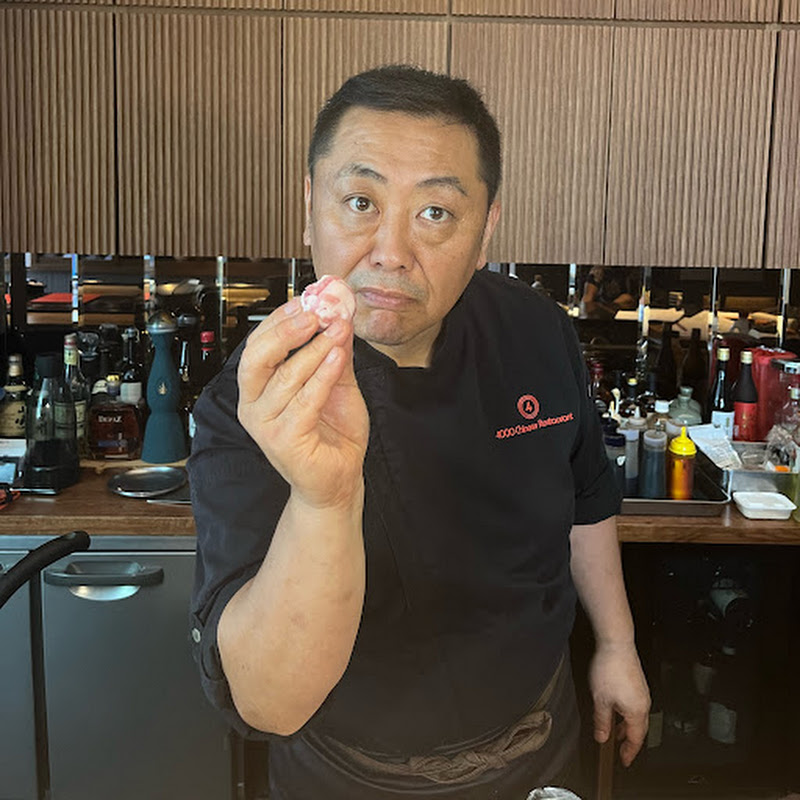
菰田欣也の中華教えちゃいます‼︎
7.2万人 subscribers ・ 中華
* Opens YouTube channel
* Subscriber count is as of article creation and may differ from the current number.
