

Recipe
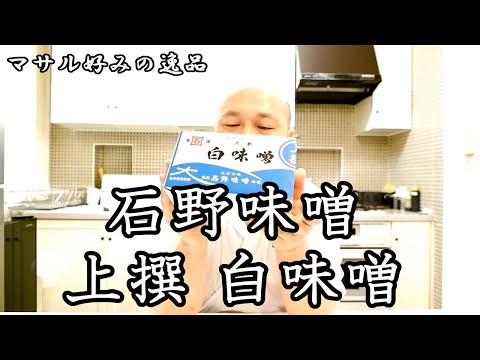
Masaru's Favorites #13: The Ultimate Saikyo-zuke! Kyoto's 'Ishino Miso Josen Shiro Miso'
Ingredients
- 2kg Ishino Miso Josen Shiro Miso
About "Saikyo-zuke"
Learn how to make and choose shiro miso for Saikyo-zuke using Kyoto's historic 'Ishino Miso' (Josen). Discover professional insights, including the difference between regular rice miso and shiro miso (which uses a massive amount of rice koji), how to spot authentic shiro miso versus cheap imitations containing starch syrup, and why Saikyo-zuke is typically expensive. It keeps well in the fridge and can be used for marinating cheese or boiled eggs, or as a secret ingredient in Western dishes.
Introduction to 和食料理人マサル [ Japanese_cuisine_chef_Masaru ] →
Tips for Making "Saikyo-zuke"
-
Choosing Miso
- Shiro miso has a significantly higher ratio of rice koji, which provides its natural sweetness. It is crucial to choose authentic shiro miso with no added starch syrup or sugar.
-
Flavor Profile
- The sweetness and elegant richness of shiro miso cannot be replicated by regular rice miso. It pairs beautifully not only with Saikyo-zuke but also with Ozoni and as a secret ingredient in Western dishes.
-
Storage
- Even in a large 2 kg tub, it keeps for about a year in the refrigerator. You can enjoy the direct, robust flavor of shiro miso without needing to adjust it with extra seasonings.
-
Value
- Saikyo-zuke is expensive because it requires a large amount of shiro miso. Ishino Miso offers an excellent balance of taste and price, making it affordable to use generously at home.
-
Versatility
- Shiro miso works wonderfully for marinating cream cheese or boiled eggs, and as a secret ingredient in dairy-based Western dishes like gratin and béchamel sauce.
Ingredients for "Saikyo-zuke"
1 items* Tap ingredient names to find on Amazon
- 2kg Ishino Miso Josen Shiro Miso
How to Make "Saikyo-zuke"
- 1
Learn to distinguish authentic shiro miso (made with plenty of rice koji and no added sweeteners) from cheap imitations containing starch syrup.
- 2
When making Saikyo-zuke, use authentic shiro miso generously. The sweetness and aroma of the shiro miso will bring out the flavor of the fish.
- 3
Store it in the refrigerator, where it can keep for up to a year, making it convenient to buy in bulk.
- 4
Use it for various dishes besides Saikyo-zuke, such as Ozoni (New Year's soup), marinated cream cheese, marinated boiled eggs, or as a secret ingredient in Western cuisine.
- 5
Since the shiro miso itself has a robust flavor, avoid adjusting the taste with unnecessary seasonings and simply enjoy its natural flavor.
Food Science
In authentic shiro miso made with a generous amount of rice koji, starch is saccharified through the enzymatic reactions of koji mold, creating a rich sweetness. Additionally, umami components like glutamic acid, produced by breaking down soybean proteins, combine with this sweetness to form an exquisite balance of the five basic tastes. In Saikyo-zuke, the salt content of the miso draws out moisture, concentrating the fish's natural umami, while the strong sweetness and aroma of the shiro miso itself enhance the overall flavor of the ingredients.
Detailed Commentary on "Saikyo-zuke"
* Content organized by topics from the video.
Kyoto's 'Ishino Miso': Essential for Saikyo-zuke
In the 13th episode of 'Masaru's Favorites,' we introduce the Shiro Miso (Josen) from Kyoto's historic Ishino Miso. While the misos we've introduced so far have been for everyday use like miso soup, this one serves a completely different purpose. This is the miso Chef Masaru loves to use primarily for making Saikyo-zuke (miso-marinated fish), and when you think of shiro miso, Saikyo-zuke is indispensable. We will dive deep into why a professional chef like Masaru keeps buying this specific brand, exploring the unique characteristics of the miso, his culinary dedication, and some behind-the-scenes stories about Saikyo-zuke.
The Key Difference: Shiro Miso vs. Rice Miso
Since shiro miso is also made from rice koji and soybeans, it is technically classified as a rice miso. So, what makes it different from regular rice miso? The answer lies in the vastly larger amount of rice koji used. Increasing the ratio of koji (which means more rice) makes the miso incredibly sweet and gives it a pale, white color. Furthermore, the dark outer skins of the soybeans are removed so only the inner parts are used, and the fermentation period is kept short under strict temperature control to maintain this beautiful white color. A lot of craftsmanship goes into the production process to achieve the signature whiteness and sweetness of shiro miso.
Why is Saikyo-zuke So Expensive?
Saikyo-zuke is synonymous with high-end grilled fish, but why is it so expensive? The secret actually lies in the massive amount of shiro miso used. Because shiro miso requires a lot of koji, the miso itself is costly, and using it generously naturally drives up the price. Regardless of the price of the fish, the cost of the miso adds a premium. However, this shiro miso from Ishino Miso offers an outstanding, chef-approved flavor without an exorbitant price tag. The balance of taste and price is exceptional, allowing you to use it generously at home—which is the main reason Masaru has loved and used it for many years.
Real Shiro Miso vs. Starch Syrup Imitations
If you look at the ingredients of cheap, commercially available shiro miso, you will sometimes find starch syrup or sugar listed. This is because manufacturers reduce the amount of expensive koji and add sweeteners to compensate for the sweetness. The sweetness of authentic, high-quality shiro miso comes entirely from the abundant rice koji, with absolutely no added sweeteners. By experiencing the real taste, you can distinguish it from cheap alternatives and understand why quality miso is worth its price. Some restaurants trying to cut costs might marinate fish in a 'shiro-miso-style liquid' made by diluting miso with water and adding sugar or starch syrup, but the flavor of authentic miso is on a completely different level.
Ozoni Traditions and the Role of Shiro Miso
In Chiaki's hometown in Western Japan, using shiro miso for New Year's Ozoni (soup) is the standard. On the other hand, in Iwate Prefecture where Masaru grew up, the traditional Ozoni features a soy sauce-based broth with daikon radish, carrots, chicken, kamaboko (fish cake), topped with ikura (salmon roe). Since Masaru's household makes both styles of Ozoni for New Year's, this Ishino Miso shiro miso is an absolute must-have. He also shares a story from a year when he was only in Japan for a short time during the holidays; he tried substituting it with a supermarket shiro miso, but it lacked sweetness, forcing him to adjust it with mirin—a moment that truly made him realize the superior quality of Ishino Miso.
Long Shelf Life & Versatile Western Uses
Although the product introduced this time comes in a large 2 kg tub, it easily keeps for about a year when refrigerated. Beyond Saikyo-zuke, you can use it to marinate cream cheese or boiled eggs to make exquisite appetizers, or use it as a secret ingredient in dairy-based Western dishes like gratin or béchamel sauce. We highly recommend trying the elegant sweetness and rich depth unique to shiro miso—something regular miso simply cannot replicate—in various recipes. Because the miso itself has such a robust flavor profile, there is no need to adjust the taste with extra seasonings; you can enjoy the pure, delicious flavor of shiro miso directly.
About 和食料理人マサル [ Japanese_cuisine_chef_Masaru ]

和食料理人マサル [ Japanese_cuisine_chef_Masaru ]
2万人 subscribers ・ 和食
* Opens YouTube channel
* Subscriber count is as of article creation and may differ from the current number.
