

Recipe
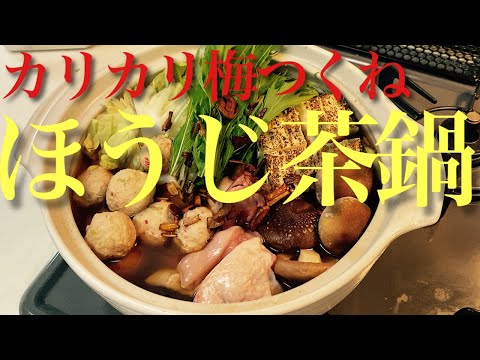
Sprinkle Ultra-Versatile Burnt Aromatics! Hojicha Hot Pot with Crunchy Plum Chicken Meatballs
Ingredients
- Napacabbage, to taste
- Mizunagreens, to taste
- Shiitakemushrooms, to taste
- Grilledtofu, to taste
- Hojicha(roasted green tea), to taste
- Mentsuyu(noodle soup base), 3 tbsp
- Soysauce, a pinch
- Groundchicken, to taste
- Chickenthigh, to taste
- Crunchyumeboshi (pickled plum), to taste
- Negi(Japanese long green onion), about 1
- Garlic,1 clove
- Salt,a pinch
- Dashipowder, 1 tbsp
- Vegetableoil, a generous amount
About "Hojicha Hot Pot with Burnt Aromatics"
This Japanese-style hot pot using hojicha (roasted green tea) will warm your body and soul in winter. The burnt aromatics can be stored in the fridge for about a month and used in various dishes. The texture and tartness of the chicken meatballs with crunchy plum (karikari ume) perfectly match the fragrant hojicha. It is important to make the soup on the stronger side, keeping in mind the water that will release from the vegetables. Finishing the meal with soba noodles and an egg is highly recommended.
Introduction to 阿諏訪泰義の「あすわ我が味」 →
Tips for Making "Hojicha Hot Pot with Burnt Aromatics"
-
Prep
- Roughly chopping the green onion and garlic for the burnt aromatics prevents them from burning too quickly when sautéing.
-
Heat Control
- Start the burnt aromatics on medium heat, then lower to low once bubbles crackle to slowly draw out the aroma.
-
Seasoning
- Make the soup base slightly strong. Since water will release from the meat and vegetables later, starting strong ensures a perfect balance.
-
Ingredients
- Using crunchy plum instead of regular soft umeboshi in the meatballs adds a delightful textural accent.
-
Storage
- The burnt aromatics can be stored in the fridge for about a month. They are great for fried rice, ramen, egg rice, curry, and more.
Ingredients for "Hojicha Hot Pot with Burnt Aromatics"
15 items* Tap ingredient names to find on Amazon
- Napacabbage, to taste
- Mizunagreens, to taste
- Shiitakemushrooms, to taste
- Grilledtofu, to taste
- Hojicha(roasted green tea), to taste
- Mentsuyu(noodle soup base), 3 tbsp
- Soysauce, a pinch
- Groundchicken, to taste
- Chickenthigh, to taste
- Crunchyumeboshi (pickled plum), to taste
- Negi(Japanese long green onion), about 1
- Garlic,1 clove
- Salt,a pinch
- Dashipowder, 1 tbsp
- Vegetableoil, a generous amount
How to Make "Hojicha Hot Pot with Burnt Aromatics"
Burnt Aromatics
- 1
Chop the green onion and garlic
Roughly mince the green onion. The trick is to keep the pieces slightly large, as chopping them too finely will cause them to burn quickly. Crush 1 clove of garlic, then slice it roughly as well.
- 2
Sauté the aromatics
Heat a generous amount of vegetable oil in a frying pan and add the chopped aromatics. Start on medium heat, and once you see bubbles crackling around them, lower the heat to low. Sauté slowly to draw out the aroma.
- 3
Finish the burnt aromatics
Once everything turns a beautiful golden brown, remove from the heat early since it will continue to cook with residual heat. Transfer to a tray to drain the oil. This can be stored in the refrigerator for about a month.
Crunchy Plum Chicken Meatballs
- 1
Mince the green onion
Mince the green onion as finely as possible. If the pieces are too large, the meatballs may easily fall apart when shaping them.
- 2
Make the meatball mixture
In a bowl, combine the ground chicken, finely minced green onion, and a tiny pinch of salt. Kneading well with salt gives the meat a firm, sticky texture, making it easier to shape.
- 3
Add crunchy plum to the meatballs
Once the meat is well kneaded, pit and finely chop the crunchy plum, then add it to the mixture and mix well. Using crunchy plum instead of regular soft umeboshi adds a delightful textural accent to the meatballs.
Hojicha Hot Pot
- 1
Prepare the soup base
Pour a generous amount of hojicha into a clay pot (donabe). You can use bottled tea or freshly brewed tea. For seasoning, add about 1 tbsp of dashi powder, 3 tbsp of mentsuyu, and a pinch of soy sauce.
- 2
Add the meatballs to the pot
Once the soup comes to a boil, shape the meatball mixture into balls using a spoon or your hands and drop them into the pot. Once the surface of the meatballs firms up, arrange the other ingredients beautifully.
- 3
Arrange ingredients and finish cooking
Beautifully arrange the ingredients like Napa cabbage, mizuna, shiitake mushrooms, and grilled tofu in the pot. To finish, generously sprinkle the burnt aromatics you made earlier over the top, cover with a lid, and simmer until all ingredients are cooked through.
- 4
Cook the finishing soba noodles
As a final treat, add Japanese soba noodles to the leftover soup and crack an egg in, cooking it until soft-boiled. This is the ultimate finish that lets you enjoy the hojicha flavor to the very last drop.
Food Science
Combining the inosinate from the chicken, guanylate from the shiitake mushrooms, and glutamate from the Napa cabbage and dashi creates a synergistic umami effect. Additionally, heating the green onion and garlic while making the burnt aromatics triggers the Maillard reaction, enhancing their savory, fragrant flavor. Furthermore, the bitterness and aroma of the hojicha, combined with the acidity of the crunchy plum, balances the five basic tastes, resulting in a deep yet refreshing flavor profile.
Detailed Commentary on "Hojicha Hot Pot with Burnt Aromatics"
* Content organized by topics from the video.
The Memorable Vol. 1! Hojicha Hot Pot
Hello, I'm Yasuyoshi Asuwa from Ushiro City, also known as Saigen Daisuke. For my very first cooking video, I'm making the dish I want to eat most right now: Hojicha Hot Pot with Burnt Aromatics. I previously made this on a TV show, and it was incredibly well-received—it's a recipe I'm extremely proud of because of how surprisingly delicious it turned out. It's the perfect hot pot dish to warm your body and soul during the cold winter season. Since this is my first video post, I'm still figuring out what kind of content everyone will enjoy, but I hope to share my culinary passion and have some fun chats along the way!
Enjoy with Your Favorite Ingredients!
The ingredients we're using today are Napa cabbage, mizuna, shiitake mushrooms, grilled tofu, hojicha, mentsuyu, soy sauce, ground chicken, chicken thigh, crunchy plum, green onion, and garlic. Feel free to customize the hot pot ingredients to your liking. The general steps are: first, make the versatile burnt aromatics; next, prepare the chicken meatballs with crunchy plum for a fun texture; and finally, simmer these ingredients slowly in a hojicha-based broth. It might seem like a lot of steps at first glance, but if you follow the key points, anyone can make it easily and deliciously.
Irresistibly Fragrant Burnt Aromatics
First, we'll make the burnt aromatics, which are key to the hot pot's flavor. Roughly mince the green onion. The trick is to leave the pieces slightly large, as chopping them too finely will cause them to burn quickly when sautéing. Crush 1 clove of garlic, then slice it roughly as well. Heat a generous amount of vegetable oil in a frying pan and add the chopped aromatics. This oil will absorb the delicious flavors of the green onion and garlic to become a tasty green onion oil, so you can use a generous amount and save any leftovers for other dishes. Start on medium heat, and once bubbles begin to crackle around them, lower the heat to low and sauté slowly to draw out the aroma.
Versatile Burnt Aromatics: Storage & Uses
As you sauté the aromatics, an incredibly fragrant aroma—reminiscent of a ramen shop—will fill your kitchen. Once everything turns a beautiful golden brown, remove from the heat early since it will continue to cook with residual heat, then transfer to a tray to drain the oil. These burnt aromatics can be stored in the refrigerator for about a month. Besides topping this hot pot, they are highly recommended for sprinkling over fried rice, cup ramen or instant noodles, egg rice (TKG), or even as a substitute for fried onions on curry. It's incredibly useful to make a batch when you have leftover green onions or garlic.
Fun Texture: Crunchy Plum Chicken Meatballs
Next, we'll make the star of the hot pot: the chicken meatballs. This time, mince the green onion as finely as possible. If the pieces are too large, the meatballs may easily fall apart when shaping them. In a bowl, combine the ground chicken, finely minced green onion, and a tiny pinch of salt. Kneading well with salt gives the meat a firm, sticky texture, making it easier to shape. Once the meat is well kneaded, pit and finely chop the crunchy plum, then add it to the mixture and mix well. Using crunchy plum instead of regular soft umeboshi adds a delightful textural accent to the meatballs.
Fragrant Hojicha Soup & Adding Ingredients
Now, it's time to make the soup base. Pour a generous amount of hojicha into a clay pot. You can use bottled tea or freshly brewed tea. For seasoning, add about 1 tbsp of dashi powder, 3 tbsp of mentsuyu, and a pinch of soy sauce. The most important point for the soup is to make it slightly strong. Since fat will render from the meat and a lot of water will release from vegetables like Napa cabbage, making it strong beforehand ensures a perfect balance later. Once the soup comes to a boil, shape the meatballs using a spoon or your hands and drop them in. Once their surface firms up, arrange the other ingredients beautifully.
Tasting & Asuwa's Recommended Finish
To finish, generously sprinkle the burnt aromatics you made earlier over the top, cover with a lid, and simmer until all ingredients are cooked through. The moment you open the lid, the rich aroma of hojicha and dashi mixed with the fragrance of the burnt aromatics is truly exceptional. When you taste it, the sweetness of the Napa cabbage that has absorbed the soup and the tartness and texture of the crunchy plum in the meatballs complement each other perfectly, making it hard to stop eating. For the final treat of this hot pot, while a rice porridge (zosui) is great, my top recommendation is Japanese soba noodles. Adding soba to the leftover soup and cracking an egg in to cook until soft-boiled is the ultimate finish that lets you enjoy the hojicha flavor to the very last drop.
About 阿諏訪泰義の「あすわ我が味」

阿諏訪泰義の「あすわ我が味」
1.8万人 subscribers ・ 家庭料理/再現レシピ
* Opens YouTube channel
* Subscriber count is as of article creation and may differ from the current number.
