

Recipe
Table Ogino: Learning Pâté de Campagne from Chef Ogino (Part 3)
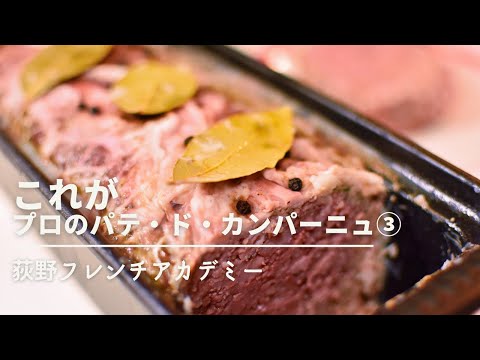
Ingredients
- Farce(meat mixture): to taste (approx. 350g for a small ceramic dish)
- Porkcaul fat (crépine): to taste
- Wholepeppercorns: to taste
- Bayleaves: to taste
- Vinegar(for soaking): a splash
- Water(for soaking): as needed
About "Pâté de Campagne"
This final part of the Pâté de Campagne series covers prepping caul fat (crépine) and lining the mold. Learn how to pack the farce (meat mixture) while removing air pockets, and top it with bay leaves and peppercorns to infuse flavor during baking. For home ovens, the key is baking in a water bath at 150–160°C (300–320°F) until the center reaches 68°C (154°F). The finished pâté is perfect for sandwiches, using the exact professional recipe from the chef's cookbook.
Tips for Making "Pâté de Campagne"
-
Prep
- Soak the caul fat (crépine) in water with a splash of vinegar for about half a day to draw out blood. It is ready when it turns from pink to white and any odor is gone. It can be portioned and frozen after prepping.
-
Prep
- If caul fat is unavailable, line the mold with parchment paper instead. This allows you to cleanly unmold the pâté after it has baked and cooled.
-
Shaping
- When lining the mold with caul fat, leave plenty of overhang so you can fold it over to cover the farce later. Overlapping is fine, as the fat will melt and blend during baking.
-
Shaping
- Pack the farce firmly into the mold, slapping it down with your palm to remove air pockets. Trapped air can cause the meat to oxidize and discolor when sliced. Be especially thorough with firmer mixtures.
-
Shaping
- For special occasions like Christmas, layer diced truffles or alcohol-marinated foie gras blocks into the farce as you pack it for a luxurious finish.
-
Shaping
- After packing, fold the overhanging caul fat inward to seal, then top with peppercorns and bay leaves. During baking, the juices absorb the aromas of the herbs and spices, then re-infuse into the meat as it cools.
-
Heat control
- For home ovens, bake in a water bath. Fill a baking sheet or deep dish with warm water up to halfway up the sides of the mold, place the terrine inside, and seal tightly with its lid, foil, or heat-resistant wrap.
-
Heat control
- Set the home oven to 150–160°C (300–320°F) and bake until the core temperature reaches around 68°C/154°F (keep it under 70°C/158°F). Bake for about 1.5 hours. Exceeding 70°C will dry out the meat.
-
Heat control
- In a professional convection oven, bake slowly at a low temperature of 120°C (250°F) with 60% steam until the core temperature reaches 68°C (154°F).
-
Finishing
- Using small ceramic dishes is ideal for making takeout or gift-sized portions. Because they are smaller, they bake faster than a large terrine mold.
Ingredients for "Pâté de Campagne"
6 items* Tap ingredient names to find on Amazon
How to Make "Pâté de Campagne"
- 1
[Prepping the Caul Fat] Soak the caul fat in water with a splash of vinegar for about half a day. It is ready when it turns from pink to white and any odor is gone.
- 2
[Lining the Mold] Line a terrine mold (or small ceramic dish) with the prepped caul fat. Leave plenty of overhang on the sides so you can fold it over to cover the farce later.
- 3
[Packing the Farce] Press the farce firmly into the mold, slapping it down with your palm to remove any air pockets. If adding truffles or foie gras, layer them in during this step.
- 4
[Wrapping with Caul Fat] Fold the overhanging caul fat inward over the top of the farce to completely enclose it.
- 5
[Adding Aromatics] Arrange whole peppercorns and bay leaves on top of the caul fat.
- 6
[Water Bath Prep (Home Oven)] Pour warm water into a baking sheet or deep dish until it reaches halfway up the sides of the mold. Place the terrine mold inside and seal it tightly with its lid, aluminum foil, or heat-resistant plastic wrap.
- 7
[Baking (Home Oven)] Bake in an oven preheated to 150–160°C (300–320°F) for about 1.5 hours. Use an instant-read thermometer to check the center; remove from the oven once it reaches around 68°C/154°F (keep it under 70°C/158°F).
- 8
[Checking the Finish] Once baked, remove the bay leaves, slice, and check the cross-section. The ideal result is a moist texture with juicy meat juices gently seeping out.
Detailed Commentary on "Pâté de Campagne"
* Content organized by topics from the video.
Prepping Caul Fat and Home Substitutes
Pork caul fat (crépine) is traditionally used to shape pâté de campagne. Since this lacy fat membrane is hard to find in regular supermarkets, you may need to order it from a butcher or specialty supplier. If you can't find it, don't worry—you can easily substitute it by lining the mold with parchment paper, which still allows you to cleanly unmold the pâté after it cools. If using caul fat, it requires prep: soak it in water with a splash of vinegar for about half a day to draw out the blood. This process bleaches it from pink to pure white and removes any gamey odor. Prepped caul fat can be frozen, so it's convenient to prep a large batch and freeze it in portions.
Lining the Mold and a Hunter's Tale
Line the terrine mold with the prepped caul fat. Since the fat melts and blends together during baking, it is fine if it overlaps slightly inside the mold. The key is to leave plenty of overhang draping over the edges so you can fold it over to seal the farce later. Here, the chef shares an interesting anecdote about dressing wild game like deer or wild boar. When opening the abdomen, the caul fat is the first thing that appears. Hunters sometimes simply grill this fat, drizzle it with soy sauce, and eat it over rice. Although the chef was surprised when he first saw this, it is a traditional practice from times when fat was precious—a wise way to respect and use every part of the animal.
Tips for Packing the Farce Without Air
Pack the thoroughly mixed farce into the lined mold. It is crucial to slap the farce down with your palm to force out any trapped air as you pack it. If air pockets remain, the meat around those pockets will oxidize and discolor easily once the baked pâté is sliced. Since this particular farce is quite moist and soft, air escapes relatively easily, but extra care is needed with firmer mixtures. For special occasions like Christmas, you can layer in diced truffles or alcohol-marinated foie gras blocks to create a richer, more festive pâté. Once you master the basic packing technique, you can try various creative variations.
The Role of Herbs in Re-infusing Flavor
Once the farce is packed, fold the overhanging caul fat inward to seal it tightly. Arrange whole peppercorns and bay leaves on top. These are not just for decoration; they serve a vital purpose. As the pâté bakes, the fat melts and juices rise to the top, absorbing the aromas of the bay leaves and pepper. During the cooling process after baking, these highly aromatic juices are reabsorbed back into the meat. While you could mix powdered bay leaf directly into the farce, this can result in an overpowering flavor or unpleasant texture. Placing them on top to infuse flavor and removing them before serving is the best approach, and it gives a professional look.
Optimal Baking Temperatures: Pro vs. Home
Baking is the most critical step determining the quality of your pâté de campagne. In a professional kitchen with a convection oven, chefs set the steam to 60% and bake slowly at a low temperature of 120°C (250°F) until the core temperature reaches 68°C (154°F). At home, use a water bath (bain-marie). Pour warm water into a baking sheet or deep dish up to halfway up the sides of the mold, place the terrine inside, and seal tightly with its lid, foil, or heat-resistant wrap. Set the oven to 150–160°C (300–320°F) and bake for about 1.5 hours, using an instant-read thermometer to ensure the center reaches around 68°C (154°F) and stays under 70°C (158°F). Exceeding 70°C will dry out the meat.
Baking in Small Ceramics for a Beautiful Cut
This video also showcases an alternative using small ceramic dishes, perfect for takeout or gifts. Wrap about 350g of farce in caul fat, pack it tightly into the dish, and bake. Because of the smaller size, it bakes much faster than a large terrine mold. Once baked, remove the bay leaves and slice to check the cross-section. You will see a beautiful contrast between the white lines of the caul fat and the pink meat, with rich juices gently seeping out when pressed. This moist texture is achieved by avoiding excess starch binders and not over-mixing the meat mixture.
Rustic Serving Styles and Sandwich Ideas
The chef fondly recalls his restaurant days when he would bake a massive terrine, place it on the table with a knife stuck right into it, and let customers slice off as much as they wanted—a rustic presentation that was incredibly popular. He also highly recommends using this pâté for sandwiches. Sandwich it between crusty bread with mustard, and add your choice of greens, tangy cornichons (pickles), choucroute (sauerkraut), or sliced tomatoes. Upon tasting, the chef praised it, saying, 'The savory meat flavor spreads across your tongue even before you chew.' Since this recipe uses the exact professional ratios from his cookbook, he encourages everyone to try making this authentic flavor at home.
About 荻野フレンチアカデミー

荻野フレンチアカデミー
2,010人 subscribers ・ フランス料理
* Opens YouTube channel
* Subscriber count is as of article creation and may differ from the current number.
