

Recipe
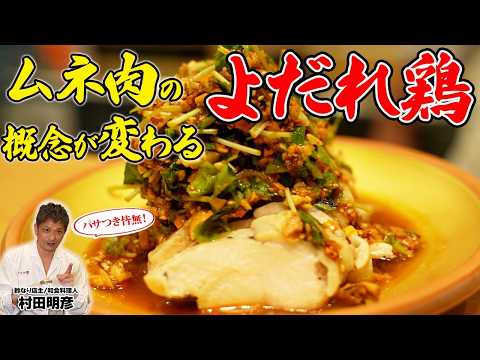
【Never Dry!】Japanese-Style Mouthwatering Chicken That Will Change Your Mind About Chicken Breast
Ingredients
- Chickenbreast (with skin): 300g
- Springcabbage: 1/4 head
- Shisoleaves: 4
- Myogaginger: 2
- Mitsuba(Japanese wild parsley): 1/2 bunch
- Mixednuts: 3 tbsp
- Sesameseeds: 1/2 tbsp
- Sugar:1/2 tbsp
- MyAll-Purpose Spice: 6 shakes
- Sake:1 tbsp
- Soysauce: 1/2 tbsp
- Vinegar:1 tbsp
- Dashi:1 tsp
- AddictiveChili Oil: 4.5 tbsp
About "Japanese-Style Mouthwatering Chicken (Yodare Dori)"
This Japanese-style mouthwatering chicken is made incredibly tender and juicy by prepping the chicken breast with sugar to retain moisture, then cooking it using the residual heat of turned-off hot water (low-temperature cooking). The special sauce made with spring cabbage, herbs, and nuts delivers a refreshing, tangy Japanese flavor profile. With zero dryness, it pairs perfectly with beer.
Introduction to 【荒木町鈴なり】村田明彦の煮るなり焼くなり →
Tips for Making "Japanese-Style Mouthwatering Chicken (Yodare Dori)"
-
Prep
- Sugar has high water-retaining properties, making it a crucial step to lock in moisture and keep the chicken tender.
-
Heat control
- Turning off the heat immediately and cooking with residual heat for 30 minutes prevents the meat from drying out.
-
Slicing
- Chilling the chicken in the fridge for 10 minutes before slicing locks in the juices and makes it easier to cut cleanly.
-
Seasoning
- Adding the concentrated chicken juices from the bag to the sauce creates an incredible depth of umami and richness.
Ingredients for "Japanese-Style Mouthwatering Chicken (Yodare Dori)"
14 items* Tap ingredient names to find on Amazon
How to Make "Japanese-Style Mouthwatering Chicken (Yodare Dori)"
- 1
Prep and Marinate the Chicken
Place the chicken breast in a heat-resistant plastic bag (such as I-Wrap), add sugar (1/2 tbsp), and massage it well through the bag. The water-retaining properties of sugar will keep the meat incredibly juicy. Next, add the all-purpose spice (6 shakes) and sake (1 tbsp). Squeeze out the air, tie the top tightly, and let it sit at room temperature for 10 minutes.
- 2
Prep the Vegetables
Roughly chop the spring cabbage (1/4 head). Finely mince the shiso leaves (4), myoga ginger (2), and mitsuba (1/2 bunch) individually.
- 3
Make the Special Sauce
In a bowl, combine soy sauce (1/2 tbsp) and double the amount of vinegar (1 tbsp). Add a generous amount of the finely minced mitsuba, myoga, and shiso. Add Chef Kasahara's special addictive chili oil (4.5 tbsp), then mix in the crushed mixed nuts (3 tbsp) and sesame seeds (1/2 tbsp) until well combined.
- 4
Cook the Chicken Gently
Bring a large pot of water to a boil, then submerge the bagged, marinated chicken breast. Turn off the heat immediately, cover the pot with a lid, and let it cook gently using only the residual heat for 30 minutes. At the same time, place the spring cabbage directly into the hot water to blanch it in the residual heat.
- 5
Chill and Slice the Chicken
After 30 minutes, remove the bag from the pot and pour the concentrated chicken juices accumulated inside (about 1.5 tbsp) into the sauce. Let the chicken breast cool slightly, then chill it in the refrigerator for about 10 minutes before slicing it thinly and neatly.
- 6
Plate and Serve
Lay the blanched, tender spring cabbage on a plate as a base, and beautifully arrange the sliced chicken on top. Generously spoon the special herb-and-nut-packed sauce over the chicken until it is almost covered, then drizzle any remaining liquid from the bowl over the entire dish.
Food Science
The combination of inosinate in chicken and glutamate in dashi and soy sauce creates a powerful synergistic umami effect. Additionally, the sweetness of sugar, acidity of vinegar, saltiness of soy sauce, umami of dashi, and spiciness of chili oil harmonize beautifully to balance the five basic tastes (and beyond), resulting in a deep, rich flavor profile. The use of sake also helps control moisture, enhancing the meat's water-retaining capacity to prevent dryness.
Detailed Commentary on "Japanese-Style Mouthwatering Chicken (Yodare Dori)"
* Content organized by topics from the video.
Intro to Japanese Mouthwatering Chicken & Collab
Akihiko Murata, the owner-chef of Suzunari, introduces a Japanese-style twist on his favorite Chinese dish, Mouthwatering Chicken (Yodare Dori). The star of the dish is budget-friendly chicken breast. While it has a reputation for being dry, this cooking method will completely change your mind, yielding an incredibly tender and juicy result. The recipe features a bounty of Japanese herbs and vegetables like spring cabbage, mitsuba, myoga, and shiso. For the key flavor components, he collaborates with Chef Masahiro Kasahara of the Japanese restaurant 'Sanpi-Ryoron,' using his 'Addictive Chili Oil' alongside Chef Murata's original 'My All-Purpose Spice.' The video kicks off with a charming moment showing Chef Murata's playful personality, where he accidentally places an empty small bowl on the counter and laughs with the staff, saying, 'I have no idea why I put that there!'
Prepping Chicken with Sugar's Moisture Magic
For the preparation, Chef Murata uses a high-density polyethylene bag called I-Wrap. He places the skin-on chicken breast (approx. 300g) directly into the bag, adds sugar (1/2 tbsp), and massages it thoroughly. Because sugar has excellent water-retaining properties, this is a crucial step to lock in moisture and achieve a dramatically tender texture. Next, he adds 6 shakes of his signature all-purpose spice and sake (1 tbsp). Sake is essential for removing any gamey odor from the chicken; you could even experiment with shochu or whiskey for a unique twist. Once the seasonings are in, squeeze all the air out of the bag, tie it tightly at the top, and let it sit at room temperature for about 10 minutes to let the flavors meld. While waiting, roughly chop the spring cabbage (1/4 head) for the garnish.
Crafting the Herb and Nut Japanese Sauce
While the chicken is marinating, it's time to make the heart of the dish: the special sauce. In a bowl, combine soy sauce (to taste) and double the amount of vinegar—the golden ratio for creating the signature refreshing tang of mouthwatering chicken. Next, toss in a generous amount of finely minced mitsuba (1/2 bunch), myoga (2), and shiso (4). Then, add a luxurious 4.5 tbsp of Chef Kasahara's special 'Addictive Chili Oil.' Since this chili oil contains no garlic and is incredibly light, you can add plenty of it without it feeling heavy. Finally, stir in crushed mixed nuts (3 tbsp) for a crunchy texture and sesame seeds (1/2 tbsp) for aroma. Mix well with a spoon to complete this chunky, highly fragrant Japanese-style sauce.
Pro Residual Heat Cooking Method
Bring a generous amount of water to a boil in a pot, then submerge the bagged, marinated chicken breast. The absolute key here is to turn off the heat the moment the chicken goes in. Cover the pot with a lid and let it cook slowly using only the residual heat for 30 minutes. This gentle low-temperature cooking prevents the meat from seizing up, locking in moisture and ensuring zero dryness. At the same time, toss the chopped spring cabbage directly into the hot water around the bag. Letting the cabbage soften in the residual heat allows it to absorb the subtle flavors in the water while drawing out its natural sweetness. After 30 minutes, remove the bag. You'll find a concentrated, flavorful chicken broth inside. Adding about 1.5 tbsp of this broth to the sauce gives it an incredible depth of umami.
Chilling to Lock in Juices and Elegant Plating
Although the chicken breast is beautifully cooked, slicing it while hot will cause all the delicious juices to run out. To lock in that juiciness, the professional secret is to let it cool slightly and then chill it in the refrigerator for about 10 minutes before slicing. Chilling firms up the meat, making it much easier to slice thinly and cleanly. When you cut into it, you'll see an incredibly moist, perfect cross-section thanks to the sugar's moisture retention and the gentle residual heat cooking. To plate, lay the tender spring cabbage as a bed on the dish, and arrange the sliced chicken beautifully on top. Generously pile the herb-and-nut-filled special sauce over the chicken until it's almost hidden, and finish by pouring the remaining flavorful sauce liquid from the bowl all over the dish.
Tasting: Perfect with Beer!
To enjoy the finished Japanese-Style Mouthwatering Chicken, dig in by mixing the chicken with the mountain of herbs and cabbage. Taking his first bite, Chef Murata lets out an appreciative 'Mmm!' with a wide smile, clearly delighted by the perfect result. Unlike typical Chinese mouthwatering chicken, which features intense heat, this version has a refreshing tang from the vinegar and herbs, tasting almost like a spicy Japanese nanbanzuke (marinated fried dish). The chicken breast is remarkably tender and soft with absolutely no dryness. The rich sauce, crunchy nuts, and sweet cabbage harmonize beautifully. Chef Murata raves, 'This goes SO well with beer!' declaring it the ultimate bar snack. He wraps up the video in a warm atmosphere, encouraging everyone to try this mild, family-friendly Japanese twist that even kids and those sensitive to spice can enjoy.
About 【荒木町鈴なり】村田明彦の煮るなり焼くなり

【荒木町鈴なり】村田明彦の煮るなり焼くなり
1.3万人 subscribers ・ 和食
* Opens YouTube channel
* Subscriber count is as of article creation and may differ from the current number.
