

Recipe
Same Price, Different Quality: A Chef's Guide to Sourcing Blue Crab

Ingredients
- Bambooshoots, to taste
- Carrots,to taste
- Driedscallops, to taste
- Kelp(Kombu), to taste
- Rice,to taste
About "Bamboo Shoot Rice Cooked in Dried Scallop and Kelp Dashi"
This video follows Toru Wada, a Japanese chef with 50 years of experience, as he selects and purchases blue crabs and clams at Toyosu Market in the morning. It introduces professional selection techniques, such as checking the thickness of the underside of blue crabs and the presence of orange roe, and feeling the tightness of clam shells with fingertips. In the second half of the video, he demonstrates the preparation of 'Bamboo Shoot Rice,' where ingredients are simmered in dried scallop and kelp dashi before cooking the rice solely in the flavorful broth. The video showcases the chef's uncompromising dedication, from ingredient selection to cooking techniques.
Tips for Making "Bamboo Shoot Rice Cooked in Dried Scallop and Kelp Dashi"
-
Dashi Making
- Carefully extract dashi from dried scallops and kelp to create a deep umami base.
-
Prep
- Simmer bamboo shoots and carrots in dashi, then let them cool in the pot (nabedome) to let the umami penetrate to the core.
-
Cooking Rice
- Strain the ingredients to separate them from the broth, then cook the rice using only the concentrated broth.
-
Finishing
- Mix the set-aside ingredients into the rice during the steaming stage to preserve their texture and flavor.
-
Selecting Crab
- Flip the crab over to check its thickness and shell hardness, and choose ones with a visible orange hue (roe) on the underside.
-
Selecting Clams
- Choose clams that are tightly closed; if you cannot insert a fingernail into the gap, they are fresh and full of vitality.
Ingredients for "Bamboo Shoot Rice Cooked in Dried Scallop and Kelp Dashi"
5 items* Tap ingredient names to find on Amazon
How to Make "Bamboo Shoot Rice Cooked in Dried Scallop and Kelp Dashi"
- 1
Carefully extract dashi from the dried scallops and kelp.
- 2
Simmer the bamboo shoots, carrots, and other ingredients in the dashi to let them absorb the flavors.
- 3
Turn off the heat and let them cool in the pot (nabedome) to allow the umami to penetrate to the core of the ingredients.
- 4
Strain the ingredients through a sieve, separating them from the flavorful broth.
- 5
Cook the rice using only the concentrated, flavorful broth.
- 6
Once the rice is cooked and in the steaming stage, add the set-aside ingredients, mix well, and serve.
Detailed Commentary on "Bamboo Shoot Rice Cooked in Dried Scallop and Kelp Dashi"
* Content organized by topics from the video.
Following the Chef's 5 AM Toyosu Market Run
We follow Toru Wada, a Japanese chef with 50 years of experience, on his morning market run. The chef visits Toyosu Market every morning around 5 AM to personally inspect and source his ingredients. He explains that for a small, independently owned restaurant, it is crucial to touch and verify the quality of the ingredients himself rather than relying entirely on wholesalers. His main target today is seasonal female blue crabs. While they may all look similar at first glance, their value varies greatly depending on whether they contain roe and how packed they are with meat. The chef enthusiastically tells his staff member, Asami, who is visiting the market for the first time, that he will show her the raw reality of professional ingredient selection as they head into the bustling market.
Toyosu's Top Shrimp Shop & Luxury Grape Shrimp
Upon entering the market, classic scenes unfold, such as styrofoam boxes piled high with sea bream heads. The chef first leads us to a shrimp specialty shop, which he considers the best in Toyosu. On display are beautifully red, high-quality botan shrimp and even rarer grape shrimp (budo ebi). The price of the grape shrimp is a staggering 45,000 yen per kilogram. At about 150 grams per shrimp, a single one costs around 6,750 yen—a true luxury item. The chef explains that even for botan shrimp, quality varies greatly depending on harvesting methods like trawling, and shares tips on how to spot the best ones. Amidst the tense atmosphere of market professionals trading, the chef generously shares his wisdom gained over many years, explaining the differences between male and female shrimp and how the weight of the eggs affects the price.
Famous Tuna Dealer Yamayuki & Fugu Selection
Next, the chef passes by Yamayuki, an incredibly famous tuna wholesaler well-known from New Year's TV specials. While the brand is so powerful that just having a 'Yamayuki Tuna' sign at a sushi restaurant surprises customers, the chef notes, 'Tuna quality varies wildly, which is why a chef's eye is truly tested.' Moving further, they come across magnificent wild tiger blowfish (torafugu) swimming in a tank. The chef can distinguish between male and female blowfish at a glance—a skill that is difficult even for professional chefs. He explains that if a chef cannot tell them apart, issues can arise, such as mistaking a male for a female when served with milt. The chef passionately emphasizes that to build good communication with suppliers, a chef must first thoroughly understand the characteristics and identification of the fish.
Selecting Blue Crab: Spotting Roe and Thickness
Finally, it is time to source the main item: blue crabs. The chef takes the crabs out of the tank one by one, inspecting them meticulously. The key to selection is flipping the crab over to check its thickness and shell hardness. Placing two crabs side-by-side, it is clear that the one on the right is thicker and packed with more meat. Furthermore, a faint orange (or pinkish) hue visible through the gaps on the underside of the shell is proof that it is filled with rich roe (uchiko). The chef whispers, 'I can't say this too loudly because some people don't know,' but explains that this color is the defining factor of deliciousness. Even at the same price of 6,500 yen per crab, a mistake in selection means ending up with a roe-less disappointment, which is why the chef inspects them with absolute seriousness.
Choosing Clams & the Secret of Market Seawater
Next, the chef spots some impressive clams from Ibaraki Prefecture. Touching them, he checks if the surface is slimy. He reveals that the seawater used in fish market tanks is not ordinary seawater; it undergoes special treatment to maintain hygiene and freshness. Consequently, the clams tend to absorb more water, making them heavier than they actually are. To identify truly good clams, the chef encourages his staff to try inserting a fingernail into the gap of the shell. A high-quality clam is tightly closed, making it impossible to insert a nail. Thus, the secret to sourcing truly delicious ingredients is not just looking at weight or size, but feeling the clam's vitality and condition with your fingertips. The chef successfully purchases the clams and blue crabs to his satisfaction.
A Chef's Eye Builds Customer Trust
After finishing his purchases, the chef speaks deeper about the importance of ingredient selection. Many customers dine out extensively and are highly knowledgeable about food—sometimes even more so than chefs. That is why there is absolutely no room for compromise. Sourcing poor-quality ingredients not only ruins the dish but also destroys customer trust. The chef admits, 'Because I am cautious, if I'm not fully satisfied, I will sometimes return to the shop and then head back to the market to buy again.' Picturing the faces of the customers visiting today—including one traveling all the way from Hokkaido—the chef approaches his morning market battles with absolute seriousness to deliver the very best.
Chef's Special: Dried Scallop & Bamboo Shoot Rice
At the end of the video, the chef demonstrates how he prepares 'Bamboo Shoot Rice' at his restaurant. His recipe begins by simmering bamboo shoots, carrots, and other ingredients in dashi carefully extracted from dried scallops and kelp. First, he lets the ingredients absorb the dashi flavor, then uses the 'nabedome' technique (letting them cool in the pot) to allow the umami to penetrate to the core. Once fully seasoned, he strains them to separate the ingredients from the broth, and cooks the rice using only this concentrated, flavorful broth. Finally, during the steaming stage after the rice is cooked, he mixes the set-aside ingredients back in. This creates an exquisite bamboo shoot rice where the texture of the bamboo shoots and the aroma of the scallops harmonize perfectly. It is a dish that shines with the meticulous craftsmanship and dedication unique to a traditional Japanese chef.
About 大将に聞いてみた!
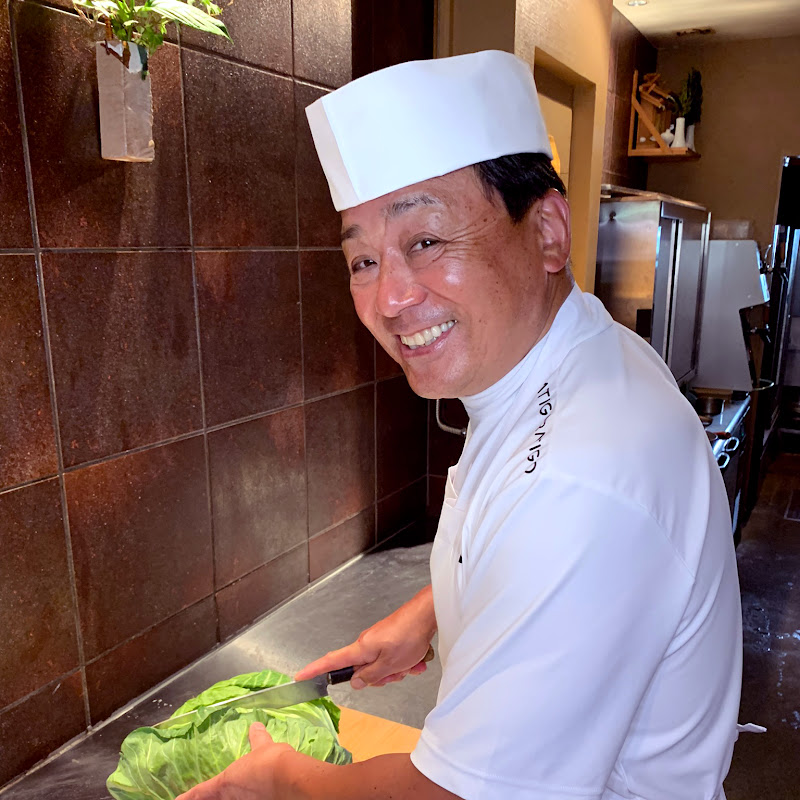
大将に聞いてみた!
2.1万人 subscribers ・ 日本料理・和食
* Opens YouTube channel
* Subscriber count is as of article creation and may differ from the current number.
