

Recipe
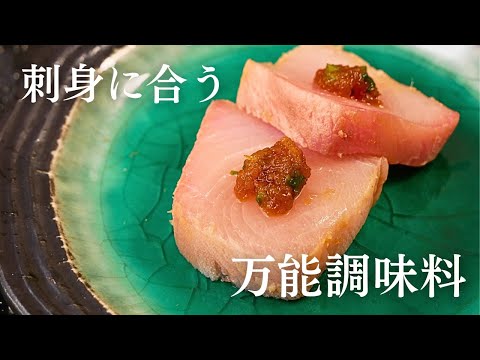
[Versatile Sauce] Yellowtail with Chiri-zu | You'll Never Go Back to Soy Sauce
Ingredients
- 1whole yellowtail (or equivalent fillet)
- Saltedice water, to taste
- Mirin,to taste
- Sake,to taste
- Darksoy sauce, to taste
- Ricevinegar, to taste
- Citrusjuice (yuzu, lemon, etc.), to taste
- Sake(for nikiri sake), to taste
- Sugar,to taste
- Scallions,to taste
- Ichimichili powder, to taste (optional)
- Daikonradish, to taste
- Icewater, to taste
- Hotwater, to taste
About "Yellowtail with Chiri-zu (Spicy Grated Daikon Sauce)"
Fresh yellowtail is aged for 6 days to distribute the fat, parboiled (shimo-furi) to remove any odor, and then marinated in a soy sauce mixture. It is served with chiri-zu—a versatile sauce made from grated daikon radish, rice vinegar, citrus juice, and nikiri sake (evaporated sake). Perfect for sashimi or shabu-shabu, this dish is so delicious you'll never go back to plain soy sauce.
Introduction to 蒼の鮨 sushi-chef ao →
Tips for Making "Yellowtail with Chiri-zu (Spicy Grated Daikon Sauce)"
-
Prep
- Aging yellowtail in salted ice water for 6 days distributes the fat and draws out umami. The aging period can be adjusted to your liking.
-
Prep
- Peeling the daikon thickly removes bitter compounds and tough fibers, resulting in a smooth texture and mild flavor.
-
Prep
- Parboiling (shimo-furi) for 5 seconds followed by an immediate ice bath removes odor and sliminess while locking in umami.
-
Flavoring
- To ensure the yellowtail is fully submerged, place a paper towel on top and pour the marinade over it to distribute flavor evenly.
-
Flavoring
- Using nikiri sake burns off the alcohol while retaining the sake's natural umami and rich depth, which also helps suppress fishy odors.
Ingredients for "Yellowtail with Chiri-zu (Spicy Grated Daikon Sauce)"
14 items* Tap ingredient names to find on Amazon
- 1whole yellowtail (or equivalent fillet)
- Saltedice water, to taste
- Mirin,to taste
- Sake,to taste
- Darksoy sauce, to taste
- Ricevinegar, to taste
- Citrusjuice (yuzu, lemon, etc.), to taste
- Sake(for nikiri sake), to taste
- Sugar,to taste
- Scallions,to taste
- Ichimichili powder, to taste (optional)
- Daikonradish, to taste
- Icewater, to taste
- Hotwater, to taste
How to Make "Yellowtail with Chiri-zu (Spicy Grated Daikon Sauce)"
- 1
Drying and Preparing Yellowtail for Aging
Wipe the surface of the store-bought yellowtail thoroughly with paper towels to remove excess moisture. Wrap it tightly in plastic wrap and label it with the start date of aging. Place it in a heavy-duty plastic bag, extract the air with a straw to vacuum-seal it, and submerge it in salted ice water.
- 2
Aging for 6 Days
Age the yellowtail in the refrigerator submerged in salted ice water for 6 days. During this time, the fat distributes throughout the fish, bringing out its rich umami. If the fish is extremely fresh, you can shorten this period, but 6 days is the recommended standard.
- 3
Removing Dark Meat and Skin
Remove the aged yellowtail from the salted ice water and carefully cut away the dark meat (chiai) with a knife. Skin the fish, shave off any discolored parts on the surface, and expose the beautiful pink flesh underneath. Finally, cut it in half down the center to make it easier to slice into bite-sized pieces.
- 4
Parboiling (Shimo-furi) to Remove Odor
Place the sliced yellowtail in a wire strainer and submerge it in boiling water for about 5 seconds until the surface turns slightly white. Immediately plunge it into ice water to cool rapidly. Once chilled, gently and thoroughly pat dry with paper towels.
- 5
Marinating in Soy Sauce
Arrange the yellowtail in a container that fits its size, and pour in the marinade made of mirin, sake, and soy sauce. Cover the surface with a paper towel to ensure it is fully submerged, and pour more marinade over the towel. Cover and store in the refrigerator for 2 hours (or up to 5 hours for a deeper marinade).
- 6
Preparing the Scallions
Thinly slice the scallions, then finely mince them. These will be used to finish the chiri-zu sauce.
- 7
Grating the Daikon Radish
Peel the daikon radish thickly to remove the bitter outer layer and tough fibers, ensuring a smooth texture. Grate the daikon, squeeze out excess moisture gently, and place it in a bowl.
- 8
Mixing the Chiri-zu Base
Add dark soy sauce and rice vinegar to the grated daikon in the bowl. Strain citrus juice (yuzu or lemon) through a fine mesh sieve into the bowl to prevent pulp and seeds from getting in.
- 9
Making and Cooling Nikiri Sake
Pour sake into a pot and bring it to a boil. Flambé it to burn off the alcohol. Place the cooking bowl over another bowl filled with ice water, and swirl the bowl to cool the sake rapidly and evenly.
- 10
Finishing the Chiri-zu Sauce
Add the cooled nikiri sake to the bowl with the seasoned daikon mixture. Add sugar, minced scallions, and ichimi chili powder (to taste), then mix thoroughly.
- 11
Plating and Presentation
Take the marinated yellowtail out after 2 hours and pat dry with paper towels. Slice it into bite-sized pieces using the full length of the knife blade from heel to tip. For a crowd, arrange the slices slightly overlapping on a long platter, and serve with lightly squeezed chiri-zu sauce on the side. For individual servings, stack the yellowtail on a round plate and top with a dollop of chiri-zu for an elegant look.
- 12
Storing Chiri-zu Sauce
The prepared chiri-zu sauce can be stored in the refrigerator for about 1 week. It is highly versatile and can be used as a dipping sauce for white fish, squid, octopus, shrimp, shellfish sashimi, or shabu-shabu.
Food Science
The rich umami (inosinic acid) and sweet fat of the yellowtail are perfectly balanced by the acidity (rice vinegar and citrus juice) and spiciness (ichimi chili powder) of the chiri-zu, along with the umami (glutamic acid) of the soy sauce, creating an exceptional harmony of the five basic tastes. Additionally, the acid from the vinegar and citrus suppresses the fish's natural odor, resulting in a clean, refreshing finish. The moisture control achieved through the salted ice water treatment also firms up the flesh and eliminates off-flavors.
Detailed Commentary on "Yellowtail with Chiri-zu (Spicy Grated Daikon Sauce)"
* Content organized by topics from the video.
The Appeal and Uses of Versatile Chiri-zu Sauce
The chiri-zu sauce introduced here is a versatile condiment that pairs beautifully with sashimi. Beyond the yellowtail featured in this video, it works wonderfully with white fish, squid, octopus, shrimp, shellfish sashimi, and even as a dipping sauce for shabu-shabu. The recipe is incredibly simple, so mastering it will instantly elevate your home cooking. Once you try it, you will never want to eat sashimi with just plain soy sauce again. Use this video as a guide to make this versatile chiri-zu and enjoy pairing it with various ingredients.
Aging Yellowtail for 6 Days to Enhance Umami
First, thoroughly wipe off any excess moisture from the store-bought yellowtail using paper towels. Since freshly bought yellowtail may not have its fat fully distributed yet, we will age it for about 6 days to draw out its rich umami. Wrap it tightly with paper towels and plastic wrap, and write down the date so you don't lose track of the aging process. Next, place it in a durable plastic bag and use a straw to extract the air, sealing it tightly. Submerge it in salted ice water to age slowly. While fresh fish is delicious, feel free to adjust the aging period to your liking.
Carefully Trimming and Slicing Aged Yellowtail
After 6 days of aging, remove the yellowtail from the salted ice water. Aging allows the fat to distribute throughout the fish, resulting in a beautiful pink flesh. The dark meat (chiai) will have discolored during this process, but this is completely normal. Carefully remove the dark meat with a knife and skin the fish. Next, shave off any discolored parts on the surface. The key here is to visually inspect the fish as you cut rather than relying solely on feel. Once trimmed, the gorgeous pink flesh will be revealed. Finally, cut it in half down the center to make it easier to slice into bite-sized pieces.
Parboiling (Shimo-furi) to Lock in Umami
Next, we perform "shimo-furi" (parboiling) as a prep step to remove any fishy odor or sliminess and lock in the umami. Prepare ice water and a pot of boiling water. Place the sliced yellowtail in a wire strainer and submerge it in the boiling water for about 5 seconds. Once the surface turns slightly white, quickly pull it out to prevent overcooking and plunge it immediately into the ice water to cool. Once completely chilled, remove it from the ice water and gently but thoroughly pat dry with paper towels. This extra step completely eliminates any fishiness and highlights the natural flavor of the yellowtail.
Marinating in Special Soy Sauce Mixture
Once dried, we will marinate the yellowtail. Place the yellowtail in a container, such as a plastic container, that fits its size perfectly. If the container is too large, you will waste the marinade, so choosing the right size is key. Pour in the special marinade made of mirin, sake, and soy sauce. Cover the surface with a paper towel and pour more marinade on top. This allows the paper towel to absorb the soy sauce and distribute the flavor evenly. Cover with a lid and let it sit in the refrigerator for about 2 hours to let the flavors meld. For a deeper flavor, marinating for up to 5 hours is also highly recommended.
Grated Daikon and Seasonings for Smooth Texture
While the yellowtail is marinating, prepare the special chiri-zu sauce. First, thinly slice the scallions and mince them finely. Next, make the grated daikon. The trick here is to peel the daikon skin quite thickly. The area near the skin contains bitter compounds and tough fibers, so peeling it thickly results in a smooth, mild texture. Lightly squeeze the grated daikon and place it in a bowl. Add dark soy sauce, rice vinegar, and citrus juice (such as yuzu or lemon). When adding the citrus juice, strain it through a sieve to keep pulp and seeds out, ensuring a smoother mouthfeel.
Adding Depth with Nikiri Sake and Finishing
To add depth to the chiri-zu, we will make "nikiri sake" (evaporated sake). Pour sake into a pot, bring it to a boil, and flambé it to burn off the alcohol. If you are uncomfortable with fire, simply boiling it is perfectly fine. We use nikiri sake instead of water because boiling off the alcohol retains the natural umami of the sake, adding a rich depth to the dish while helping to suppress any fishy odors. Place the bowl of hot sake over a bowl of ice water and swirl it to cool it rapidly and evenly. Add the cooled sake to the seasoning bowl along with sugar, minced scallions, and ichimi chili powder to taste. Mix well, and your special chiri-zu is ready.
Elegant Plating and Chiri-zu Shelf Life
Remove the yellowtail after 2 hours of marinating and pat dry with paper towels. Slice it beautifully into bite-sized pieces using the entire length of the knife blade from heel to tip. For a large gathering, arrange the slices slightly overlapping on a long platter and place a line of lightly squeezed chiri-zu next to them. For individual servings, stack the yellowtail on a round plate and top with a small dollop of chiri-zu for an elegant presentation. This chiri-zu keeps in the refrigerator for about a week, making it great for meal prep. The rich, aged yellowtail and the refreshing acidity of the chiri-zu create a perfect harmony that elevates the dish to the next level.
About 蒼の鮨 sushi-chef ao

蒼の鮨 sushi-chef ao
3.2万人 subscribers ・ 和食/寿司
* Opens YouTube channel
* Subscriber count is as of article creation and may differ from the current number.
