

Recipe
Frozen Soba Noodles Get a Restaurant-Style Springy Texture with Just One Simple Microwave Trick
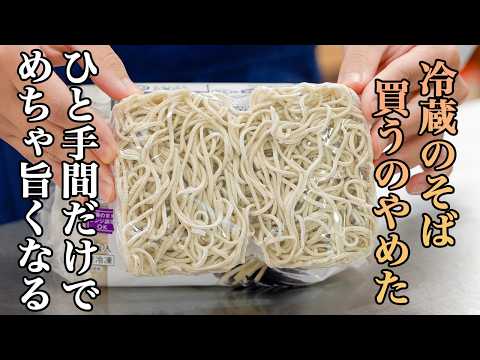
Ingredients
- 1block frozen soba noodles
- 1/2tbsp gochujang (Korean chili paste) (1.5 tsp)
- 1/2tbsp tsuyu (3x concentrated noodle soup base) (1.5 tsp)
- 1/2tbsp vinegar (1.5 tsp)
- 1tsp sesame oil
- Toastedsesame seeds, to taste (about 3 pinches)
- Shreddednori seaweed, to taste
About "Spicy Mixed Soba Noodles (using Frozen Soba)"
These spicy mixed soba noodles can be made in just 5 minutes using frozen soba. By adding the simple step of quickly rinsing the frozen noodles under running water ("mizu-toshi") before microwaving, you prevent uneven heating and achieve a springy, chewy texture just like at a restaurant. The sauce is a simple combination of equal parts gochujang, tsuyu (3x concentrated noodle soup base), and vinegar (1/2 tbsp each), finished with sesame oil and toasted sesame seeds. Microwaving without rinsing makes the edges dry and crumbly, so this quick step makes all the difference. This is a highly recommended recipe that the creator kept to themselves for over a year!
Tips for Making "Spicy Mixed Soba Noodles (using Frozen Soba)"
-
Prep
- Quickly rinse the frozen noodles under running water. Do not soak them; a quick pass is enough. This prevents the surface from drying out and ensures even heat distribution during microwaving.
-
Microwaving
- Even when making multiple servings, microwave them one pack at a time to prevent uneven heating. The standard is about 3 minutes at 600W.
-
Chilling
- Immediately transfer the noodles to a strainer after microwaving and cool quickly under cold running water. Wash gently without scrubbing to preserve the soba's flavor.
-
Chilling
- Chill the serving plate with cold water as well. If the plate is warm, it will warm up the noodles and ruin their delicious texture.
-
Seasoning
- Lee Kum Kee gochujang is recommended for its great balance of sweetness and depth. If using a spicier brand, add a pinch of sugar to round out the flavor.
-
Seasoning
- If you prefer a milder flavor, reduce all the main seasonings from 1/2 tbsp to 1 tsp each.
-
Ingredients
- Choosing slightly higher-quality frozen soba (around 240 yen for a 3-pack) will give you a much stronger, richer buckwheat flavor.
Ingredients for "Spicy Mixed Soba Noodles (using Frozen Soba)"
7 items* Tap ingredient names to find on Amazon
How to Make "Spicy Mixed Soba Noodles (using Frozen Soba)"
- 1
Remove the frozen soba noodles from the package while still frozen, and quickly rinse them under cold running water (just pass them through the water quickly, do not soak).
- 2
Drain lightly, place on a microwave-safe plate, and cover loosely with plastic wrap.
- 3
Microwave at 600W for the time indicated on the package (approx. 3 minutes).
- 4
After heating, be careful not to burn yourself as the plate will be hot. Immediately move to the sink and transfer the noodles to a strainer.
- 5
Quickly cool the noodles under cold running water, washing them gently. Cool the serving plate with cold water at the same time.
- 6
Once the noodles are completely chilled, shake the strainer to drain the water thoroughly.
- 7
In a bowl, combine 1/2 tbsp each of gochujang, tsuyu (3x concentrated), and vinegar, along with 1 tsp of sesame oil and a generous amount of toasted sesame seeds, and mix well.
- 8
Add the well-drained soba noodles to the bowl with the sauce and toss thoroughly to coat evenly.
- 9
Plate on the chilled dish, garnish with extra sesame seeds and shredded nori seaweed, and serve.
Detailed Commentary on "Spicy Mixed Soba Noodles (using Frozen Soba)"
* Content organized by topics from the video.
The Amazing Benefits of Frozen Soba
Today, we are using frozen soba to make a simple yet incredibly delicious mixed noodle dish. While many people think of dried noodles when they think of soba, frozen soba has improved dramatically in quality and is highly recommended. Because frozen soba is flash-frozen at its peak freshly boiled state, you can easily enjoy the rich, natural flavor and firm texture of real soba at home. While you can boil them in a pot or microwave them, we are using the microwave today for ultimate convenience. With just one simple trick, you can achieve a springy, restaurant-quality texture, so be sure to pay attention to this technique!
Choosing and Preparing Your Soba
We will use one block of frozen soba for this recipe. Even if you are making multiple servings, the best trick for a perfect finish is to microwave them one pack at a time to prevent uneven heating. Any frozen soba will work, but if possible, choosing a slightly higher-quality brand—around 240 yen for a 3-pack (about 80 yen per serving)—will give you a stronger buckwheat flavor. Now, for the most crucial step: take the frozen noodles out of the bag and quickly rinse them under cold running tap water. This quick rinse prevents the surface from drying out and dramatically improves heat conduction in the microwave. After rinsing, drain lightly, place on a microwave-safe plate, and cover loosely with plastic wrap.
Microwaving and Chilling for Perfect Texture
Microwave the rinsed frozen soba according to the package instructions. Here, we heated it at 600W for 3 minutes. Once heated, the plate will be very hot, so carefully transfer it to the sink. Place the noodles in a strainer and immediately run cold tap water over them to cool them down quickly. To preserve the delicate flavor of the soba, wash them gently rather than scrubbing them vigorously. At this point, cool the serving plate with cold water as well. If the plate is warm, it will warm up the chilled noodles and ruin their texture, so chilling the plate is a pro tip. Once the noodles are completely cold, shake the strainer thoroughly to remove all excess water.
The Difference a Quick Rinse Makes
Soba noodles that are rinsed before microwaving develop a wonderful, springy elasticity and chewiness reminiscent of a top-tier standing soba shop. On the other hand, microwaving them straight from the bag without rinsing leads to uneven heating, leaving the edges dry and crumbly. Rinsing ensures even heat distribution, allowing the starches to gelatinize beautifully. However, unlike frozen udon, you should never soak soba in water, as its delicate flavor will dissolve and wash away. The golden rule is to simply pass them quickly under running water. This easy step yields an incredibly authentic texture you wouldn't expect from a microwave.
The Golden Ratio for the Spicy Sauce
Once the soba is perfectly prepared, it's time to make the special sauce. This slightly rich, spicy, and tangy sauce is perfect for stimulating your appetite when you are feeling fatigued or suffering from summer heat. In a bowl, combine equal parts of vinegar (1.5 tsp / 1/2 tbsp), tsuyu (3x concentrated) (1.5 tsp / 1/2 tbsp), and gochujang (1.5 tsp / 1/2 tbsp). Lee Kum Kee brand gochujang is highly recommended for its perfect balance of sweetness and depth. If you use a spicier brand, you can add a tiny pinch of sugar to balance the flavors. If you prefer a milder taste, reduce all the seasonings to 1 tsp each.
Tossing, Serving, and Tasting
To the bowl of seasonings, add a generous amount of toasted sesame seeds (about 3 pinches) for rich aroma and texture, along with 1 tsp of sesame oil, and mix well. Add the chilled, well-drained soba noodles to the bowl and toss thoroughly to coat them evenly with the sauce. Plate them on your chilled dish and garnish with an extra sprinkle of sesame seeds to complete the dish in no time. The refreshing acidity of the vinegar and the spicy kick of the gochujang cling beautifully to the chewy noodles, making it absolutely irresistible. Honestly, this recipe is so simple that the creator hesitated to make a video about it, keeping it as a personal favorite for over a year. Give it a try!
About 食事処さくらの料理教室
食事処さくらの料理教室
101万人 subscribers ・ 家庭料理
* Opens YouTube channel
* Subscriber count is as of article creation and may differ from the current number.
