

Recipe
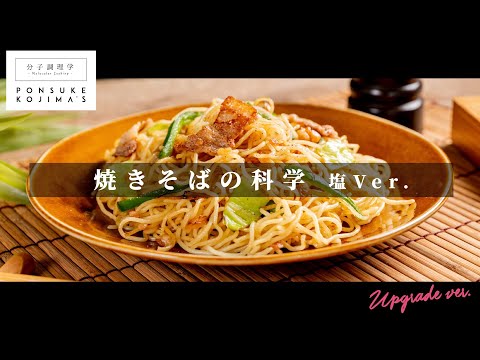
How to Make Store-Bought Salt Yakisoba 200% More Delicious [Most Detailed Recipe Video]
Ingredients
- 2packs Yakisoba noodles
- 80gPork belly
- 1/4Negi (long green onion)
- 1Green bell pepper
- 1Cabbage leaf
- 20gTenkasu (tempura scraps)
- 1tbsp Vegetable oil
- 2packets Included powder sauce
- 2tsp Soy sauce
- Water,as needed
About "Shio Yakisoba"
This recipe dramatically upgrades store-bought shio yakisoba using three techniques: dissolving the powder sauce, cooking ingredients in stages, and microwaving the noodles. Searing the pork belly on one side triggers the Maillard reaction for deep flavor, while the vegetables are cooked at the perfect heat to keep them crisp. The noodles turn out wonderfully chewy, creating a fragrant, street-stall-style dish.
Introduction to こじまぽん助【分子調理学研究家】 →
Video Timestamps
Tips for Making "Shio Yakisoba"
-
Prep
- Dissolve 1.5 packets of powder sauce in 2 tbsp of water beforehand. This preserves the noodles' moisture balance, preventing them from drying out.
-
Heat control
- Sear only one side of the pork belly thoroughly to trigger the Maillard reaction for aroma and umami. Searing both sides dries out the meat.
-
Heat control
- Remove the vegetables when they are about 60% cooked. Keeping them partially cooked preserves their crisp texture and natural sweetness.
-
Prep
- Microwave the noodles at 600W for 30–40 seconds. This makes them easy to loosen without water, preventing them from getting soggy.
-
Seasoning
- Add tenkasu after browning one side of the noodles, then pour in the dissolved sauce. Tenkasu absorbs excess moisture to prevent sogginess.
-
Seasoning
- Finish with 2 tsp of raw soy sauce. Its light color preserves the pale look of the shio yakisoba while adding a savory, street-stall-like aroma.
Ingredients for "Shio Yakisoba"
10 items* Tap ingredient names to find on Amazon
How to Make "Shio Yakisoba"
- 1
Prep Ingredients
Cut the pork belly into 3cm (approx. 1.2-inch) pieces. Slice the negi thinly on a diagonal (thin slices cook faster; if too thick, they can be tough to chew). Cut the cabbage into bite-sized pieces, and thinly slice the green bell pepper into 2–3mm strips.
- 2
Dissolve Powder Sauce in Water
In a bowl, combine 1.5 packets of the powder sauce and 2 tbsp of water, then mix well with a spoon. It doesn't need to be completely dissolved. Pouring the dry powder directly onto the noodles absorbs their moisture and makes them dry, so dissolving it beforehand preserves the noodles' moisture balance.
- 3
Sauté the Negi
Heat 1 tbsp of vegetable oil in a pan over medium heat and sauté the sliced negi. Cooking the negi until soft coaxes out its natural sweetness, adding depth to the overall flavor.
- 4
Add Peppers & Cabbage to Steam
Once the negi is soft, add the green bell pepper and cabbage, tossing to coat them in the oil. Add 1 tbsp of water to steam-cook them quickly. Once the vegetables are about 60% cooked, transfer them to a tray.
- 5
Sear the Pork Belly
Reheat the pan and cook 80g of pork belly. Sear one side thoroughly until nicely browned (the Maillard reaction creates a savory aroma and rich umami). Let the other side cook gently with residual heat to keep the meat both fragrant and juicy.
- 6
Combine and Season Ingredients
Once the pork is cooked, turn off the heat and return the vegetables to the pan. Sprinkle the remaining 0.5 packet of powder sauce over them, and toss well using residual heat to season. Transfer everything out of the pan again.
- 7
Microwave the Noodles
Slightly open the corner of the noodle packaging and microwave the 2 packs of yakisoba noodles at 600W for 30–40 seconds. This makes the noodles easy to loosen without using water, preventing them from getting soggy.
- 8
Sear One Side of the Noodles
Spread the warmed noodles in a 28cm pan and cook over medium heat. The key is to brown only one side. Searing both sides will make them look too dark, like classic brown sauce yakisoba. Once one side is fragrantly browned, turn off the heat.
- 9
Loosen the Noodles
With the heat turned off, gently loosen the noodles with chopsticks. Since they were microwaved, they will separate incredibly easily. This extra step creates the ultimate texture: crispy on the outside and chewy on the inside.
- 10
Add Tenkasu and Sauté
Add 20g of tenkasu (tempura scraps) to the loosened noodles. The tenkasu acts as insurance by absorbing excess moisture, preventing the noodles from getting soggy. Additionally, its oil content dramatically boosts the overall richness.
- 11
Add Powder Sauce and Sauté
Pour in the pre-dissolved powder sauce and quickly stir-fry over medium heat. As the noodles absorb the liquid, their texture becomes even chewier.
- 12
Return Ingredients and Finish
Once everything is mixed, return the cooked ingredients to the pan and toss briefly. Finally, add 2 tsp of raw soy sauce (ki-shoyu) as a secret ingredient. Because raw soy sauce is light in color, it won't ruin the beautiful pale look of the shio yakisoba while adding a savory, street-stall-like aroma. Stir-fry quickly to combine, and it's done.
- 13
Plate and Garnish
Plate the finished shio yakisoba. Garnish with plenty of black pepper to taste. Adding the pepper after plating creates a pleasant variation in flavor, allowing you to enjoy a slightly different taste with every bite.
Food Science
Combining the inosinate in the pork belly with the glutamate in the included powder sauce and soy sauce creates an umami synergy, resulting in a deep, rich flavor. Sautéing the pork, noodles, and soy sauce also triggers the Maillard reaction, enhancing the savory aroma. Additionally, the tenkasu provides just the right amount of oil and umami, giving the entire dish a rich flavor and satisfying finish.
Detailed Commentary on "Shio Yakisoba"
* Content organized by topics from the video.
3 Secrets to Make Shio Yakisoba 200% Better
Yakisoba is a quick and delicious meal, but this recipe will show you how to dramatically upgrade store-bought shio yakisoba. Today's theme is shio yakisoba. Using the exact same ingredients and without any special skills, you can make it taste phenomenally better. There are three key points: first, how you handle the powder sauce; second, sautéing and removing the ingredients first; and third, microwaving the noodles. By following this simple flow, the noodles become wonderfully chewy, and the ingredients release their full umami, resulting in the ultimate shio yakisoba. This recipe is packed with eye-opening techniques from start to finish, so please enjoy making it!
Prep: Dissolving Powder Sauce in Water
First, let's look at the first key point: handling the powder sauce. For this recipe, we are using two servings of Maruchan Shio Yakisoba. Out of the two packets of powder sauce, empty one full packet into a bowl, and add only half of the second packet, saving the other half to season the ingredients later. Add 2 tbsp of water to the bowl and mix well with a spoon. It doesn't need to be completely dissolved. Why dissolve it in water? If you sprinkle the dry powder directly onto the noodles, it absorbs their moisture, resulting in a dry finish. Dissolving it beforehand prevents this moisture loss, ensuring anyone can achieve perfectly chewy noodles without fail. This is the magic technique to prevent a common, unnoticed mistake.
Pro Sautéing for Sweet, Crisp Veggies
For the second key point, we will sauté the ingredients first. Heat 1 tbsp of vegetable oil in a pan over medium heat. First, sauté 1/4 of a negi. Slicing it thinly on a diagonal helps it cook quickly, and sautéing coaxes out its natural sweetness, adding depth to the overall flavor. Be careful not to slice it too thickly, or it will be tough to chew. Once the negi softens, add 1 green bell pepper for texture. Next, add 1 cabbage leaf for extra sweetness and toss to coat everything in oil. Add 1 tbsp of water here to steam-cook them instantly. Once the vegetables are about 60% cooked, transfer them to a tray. By removing the vegetables early at their peak state, you preserve their wonderfully crisp texture and natural sweetness.
Searing Pork Belly on One Side for Umami
In the same pan after removing the vegetables, sauté 80g of pork belly. The ultimate secret here is to thoroughly sear only one side of the pork belly to get a nice browned color. This browning is caused by a chemical reaction called the Maillard reaction, which creates a savory aroma and rich umami that we naturally crave. If you crisp up both sides, too much moisture escapes, leaving the meat dry and potato-chip-like, losing its natural juiciness. Searing only one side and letting the other side cook through with residual heat achieves both a fragrant aroma and a tender texture. Once the meat is cooked, turn off the heat, return the vegetables to the pan, sprinkle the remaining half of the powder sauce, toss using residual heat to season, and transfer everything out once more.
Microwaving & Searing for Chewy Noodles
Now for the third key point: cooking the noodles. Take 2 packs of yakisoba noodles, open the corner of the packaging slightly, and microwave at 600W for 30–40 seconds. This makes the noodles easy to loosen without needing any water. Adding water to loosen them causes the noodles to absorb excess moisture and get soggy. Spread the warmed noodles in a 28cm pan and cook over medium heat. The key here is to get a browned color on only one side. Searing both sides will make the whole dish look brown, like classic sauce yakisoba. Once one side is fragrantly browned, turn off the heat and gently loosen them with chopsticks. Since they were warmed in the microwave, they will separate incredibly easily. This extra step creates the ultimate texture: crispy on the outside and chewy on the inside.
Tenkasu Moisture Control & Secret Soy Sauce
Add 20g of tenkasu (tempura scraps) to the loosened noodles. The reason for adding tenkasu is that it acts as 'insurance' by absorbing the liquid we will add next, preventing the noodles from getting soggy. Furthermore, the oil from the tenkasu dramatically boosts the overall richness. Now, pour in the powder sauce we dissolved in water earlier, and stir-fry quickly over medium heat. As the noodles absorb the liquid, their texture becomes even chewier. Once everything is mixed, return the cooked ingredients to the pan and toss briefly. Finally, add 2 tsp of raw soy sauce (ki-shoyu) as a secret ingredient. Because raw soy sauce is light in color, it won't ruin the beautiful pale look of the shio yakisoba while adding a savory, street-stall-like aroma. Stir-fry quickly to combine, and it's done.
Finishing with Pepper for Ultimate Yakisoba
Plate the finished shio yakisoba. We highly recommend finishing it with a generous sprinkle of black pepper to taste. Adding the pepper after plating creates a pleasant variation in flavor, allowing you to enjoy a slightly different taste with every bite. With this, your ultimate shio yakisoba is complete—featuring chewy noodles, crisp vegetables, and savory, juicy pork belly. While this recipe uses everyday ingredients and tools, applying a scientific approach makes your usual yakisoba 200% more delicious. In the video description, you'll find the link to this recipe on Cookpad, as well as related recipes applying the same techniques, such as sauce yakisoba, yaki ramen, and yaki udon. Please give it a try!
About こじまぽん助【分子調理学研究家】

こじまぽん助【分子調理学研究家】
15.6万人 subscribers ・ 家庭料理
* Opens YouTube channel
* Subscriber count is as of article creation and may differ from the current number.
