

Recipe
How to Age Fish: A Sushi Chef's Secrets to Preventing Spoilage and Maximizing Umami
Ingredients
- 1whole blackthroat seaperch
- Water
- Salt
- Ice
- Greenperch paper (fish preservation paper)
- Papertowels
- Vacuumsealer bags
About "Aged Blackthroat Seaperch Nigiri Sushi"
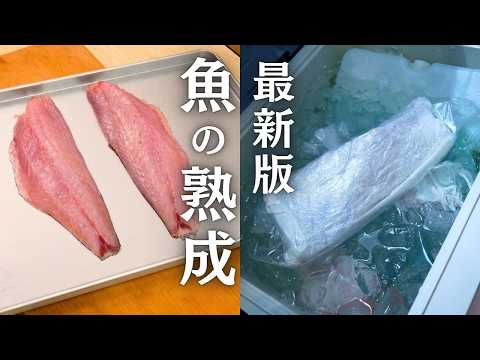
Introducing a 7-day aging method for blackthroat seaperch nigiri. Starting with prep that leaves the scales intact, this technique combines ice-salting, salt dehydration, and vacuum packing to create a topping with no odor and intense umami. A highly reproducible aging method based on precise steps rather than intuition.
Introduction to 蒼の鮨 sushi-chef ao →
Tips for Making "Aged Blackthroat Seaperch Nigiri Sushi"
-
Prep
- Do not scale the fish. Keeping the scales on extends shelf life, preserves luster, and prevents the flesh from becoming mushy.
-
Prep
- Thoroughly remove slime and bacteria. Scrub gently with a brush and completely wipe off moisture from the surface and belly cavity.
-
Storage
- Storing in ice-cold saltwater keeps the temperature stable at 0°C–1°C (32°F–34°F). This slows bacterial activity and prevents spoilage better than standard refrigeration.
-
Dehydration
- Salt the fish and tilt the tray for 1 hour to dehydrate. Osmotic pressure removes intracellular moisture, increasing fiber density for a dense, chewy texture.
-
Aging
- Vacuum packing allows visual monitoring of aging without the hassle of changing paper daily. After 7 days, the fish reaches a perfect state with zero drip loss.
Ingredients for "Aged Blackthroat Seaperch Nigiri Sushi"
7 items* Tap ingredient names to find on Amazon
How to Make "Aged Blackthroat Seaperch Nigiri Sushi"
- 1
Removing Fins and Viscera
Cut off the tough fins and pectoral fins with kitchen shears. The gills are connected at two points, so detach them with a knife. Insert the knife upside down from the vent to open the belly and remove the viscera. Assess the freshness to adjust the aging period.
- 2
Removing the Head
Cut off the head while leaving the collar (kama) intact.
- 3
Washing and Cleaning the Bloodline
Scrape the bloodline along the spine with fish tweezers before rinsing. Do this as quickly as possible to prevent the flesh from absorbing too much water.
- 4
Removing Slime
Gently scrub the surface with a tawashi brush to remove slime and bacteria. Leaving this slime on will cause a strong odor after a few days.
- 5
Wiping Dry
Thoroughly wipe off all moisture from the surface and inside the belly cavity using paper towels. Any remaining moisture can cause spoilage.
- 6
Wrapping in Green Perch Paper
Wrap the fish directly in green perch paper. This moderately absorbs excess moisture and prevents bacterial growth while keeping the fish from drying out. Wrap extra paper around the head and tail ends to prevent them from puncturing the bag.
- 7
Creating a Vacuum
Place the fish in a heavy-duty bag and suck the air out by mouth to create a vacuum seal.
- 8
Storing in Ice-Cold Saltwater
Submerge the vacuum-sealed fish in ice-cold saltwater. The temperature remains stable at 0°C to 1°C (32°F to 34°F), keeping bacterial activity extremely low. Placing the entire container in the refrigerator rather than using a cooler makes temperature control easy. Since the fish will float, weigh it down completely with ice packs or weights. Store for 2 days.
- 9
Filleting (Sanmai Oroshi)
After 2 days, remove the scales and fillet the fish into three pieces. After 2 days, the muscles relax and the cellular structure stabilizes, keeping moisture within the flesh and preventing drip loss.
- 10
Dehydrating with Salt
Sprinkle salt on a tray and evenly coat the fillets with salt. Using a salt shaker helps apply it uniformly. Tilt the tray at an angle inside the refrigerator so excess moisture drains downward, and dehydrate for 1 hour.
- 11
Vacuum-Pack Storage
Osmotic pressure draws out intracellular moisture, increasing the density of the muscle fibers and creating a dense, chewy texture. Wipe off surface moisture and store in a vacuum-sealed bag. At this stage, wrapping in paper is counterproductive as it absorbs too much moisture from the flesh. Store for an additional 5 days (7 days total).
- 12
Searing and Shaping Nigiri
After 7 days of aging, wipe off any surface moisture. Sear the skin side of the blackthroat seaperch with a blowtorch before shaping the nigiri. Because aging softens the fish, it molds beautifully and integrates perfectly with the sushi rice.
Food Science
During the aging of fish, ATP in the muscles is broken down by enzymatic reactions after rigor mortis, converting into inosinate, a key umami compound. Additionally, proper moisture control using salt and paper removes excess water (drip loss) that causes spoilage, concentrating the umami while inhibiting bacterial growth. This allows the fish to develop its natural deep richness and tender texture without spoiling.
Detailed Commentary on "Aged Blackthroat Seaperch Nigiri Sushi"
* Content organized by topics from the video.
Keep the Scales On! Professional Prep Secrets
We are using blackthroat seaperch for aging today. As a fundamental rule of prep, we do not remove the scales. Keeping the scales on extends shelf life, preserves the luster, and prevents the flesh from becoming mushy. Scales act like skin, protecting the flesh from temperature changes and bacteria. First, use kitchen shears to cut off the tough fins and pectoral fins, which can interfere with aging. Next, remove the gills and viscera. The gills are connected at two points, so insert your knife to detach them there. When opening the belly, the scales make it hard to cut, so the trick is to insert the knife upside down from the vent. Assess the freshness by looking at the removed viscera; if the quality is less than ideal, shorten the aging period. Finally, cut off the head while leaving the collar intact.
Thorough Washing and Slime Removal Prevents Odor
Once prepped, wash the fish thoroughly. For firm-fleshed fish like blackthroat seaperch, scraping the bloodline with fish tweezers before rinsing ensures a clean finish. The golden rule of washing is to do it as quickly as possible to prevent the flesh from absorbing too much water. Also, since the scales are still on, the surface will have slime and bacteria. Gently scrub this off with a tawashi brush. If left untreated, this slime will produce a strong odor when you open the bag days later, so thorough washing is crucial. After washing, use paper towels to completely wipe away moisture from both the surface and inside the belly. Since any remaining moisture causes spoilage, this step is incredibly important.
Green Perch Paper and Manual Vacuum Sealing
After wiping the fish dry, wrap it directly in green perch paper for storage. Green perch paper moderately absorbs excess moisture from the fish, preventing bacterial growth and slime while keeping it from drying out. Unlike standard paper towels, it doesn't over-absorb, allowing the fish to retain its necessary moisture and fats. Wrap extra paper around the head and tail ends to prevent them from puncturing the bag. Place the fish in a heavy-duty bag and use the traditional sushi-restaurant method of sucking the air out by mouth to vacuum-seal it. While some methods involve stuffing the belly with paper, it is unnecessary here since we will be storing it in ice-cold saltwater next.
Why Ice-Cold Saltwater? The Ideal Environment
We submerge the vacuum-sealed fish in ice-cold saltwater for storage. Storing fish in a standard refrigerator is a constant battle against dryness, oxidation, and temperature fluctuations from opening and closing the door, which accelerates spoilage. However, submerging it in ice-cold saltwater keeps the temperature consistently stable at around 0°C to 1°C (32°F to 34°F). This keeps bacterial activity extremely low, creating the ideal environment for aging. For storage, placing the entire container in the refrigerator rather than using a cooler makes temperature control easy and keeps the ice from melting. Since the fish tends to float, it is important to weigh it down with ice packs or weights to keep it completely submerged.
Day 2: Filleting and Salt Dehydration
Remove the blackthroat seaperch after 2 days in the ice-cold saltwater. The inside of the belly remains a clean, bright red without discoloration, proving the storage was successful. Now, remove the scales and fillet the fish into three pieces. After 2 days, the muscles relax and the cellular structure stabilizes, keeping moisture within the flesh and preventing drip loss. To draw out even more moisture from the flesh, we dehydrate it with salt. Sprinkle salt on a tray and coat the fillets evenly with salt. To apply the salt uniformly, we recommend using a tool like a salt shaker rather than your hands. Once salted, tilt the tray at an angle inside the refrigerator so excess moisture drains downward, and dehydrate for 1 hour.
Benefits of Vacuum Packing and Aging Mechanisms
After 1 hour of dehydration, osmotic pressure draws out intracellular moisture, increasing the density of the muscle fibers and transforming the texture into something dense and chewy. Carefully wipe off surface moisture, then store the fillets in a vacuum-sealed bag. At this stage, wrapping them in paper is counterproductive because it absorbs too much moisture from the flesh. The greatest benefit of storing them in a vacuum bag is that you can visually monitor the aging progress from the outside. Wrapping in paper requires unwrapping and re-vacuuming every day to check on it. During my apprenticeship, doing this daily for 20 fish was incredibly tedious, which is why I am confident this visual method is far more logical. Store in this state for an additional 5 days (7 days total).
The Ultimate Nigiri After 7 Days of Aging
After one week (7 days) of aging, the blackthroat seaperch is in perfect condition, with absolutely no drip loss accumulated in the bag. Wiping off the surface moisture reveals no odor or discoloration, and the fats have gently rendered throughout the flesh. When sliced, the flesh is moderately soft with the characteristic dense, sticky texture of aged fish. Since blackthroat seaperch tastes best when seared, we torch the skin side before shaping the nigiri. Because aging softens the fish, it molds beautifully and integrates perfectly with the sushi rice. Tasting it, there is zero odor, an incredibly intense umami flavor, and a wonderful harmony between the fish and the rice. This method allows you to achieve highly reproducible aging through precise steps rather than relying on mere intuition.
About 蒼の鮨 sushi-chef ao

蒼の鮨 sushi-chef ao
3.2万人 subscribers ・ 和食/寿司
* Opens YouTube channel
* Subscriber count is as of article creation and may differ from the current number.
