

Recipe
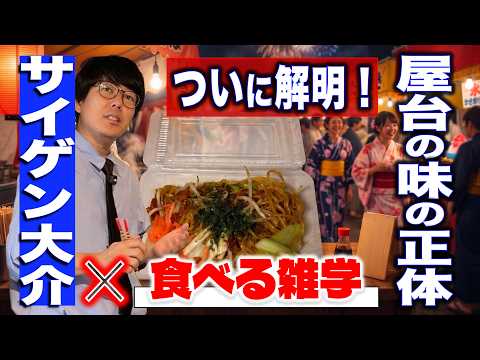
Why Can't We Recreate Food Stall Yakisoba at Home? The Secret Revealed
Ingredients
- 1/2tbsp vegetable oil
- 1serving yakisoba noodles
- Cabbage(including the core), to taste
- Beansprouts, to taste
- Thinlysliced pork belly (preferably fatty), to taste
- 1tbsp sake (cooking sake)
- Worcestershiresauce, to taste
- Oystersauce, to taste (equal amount to Worcestershire sauce)
- Apinch of table pepper
- Pickledred ginger (beni shoga), to taste
- Aonori(dried green seaweed), to taste
About "Food Stall-Style Sauce Yakisoba"
The unique flavor of festival food stall yakisoba comes down to three elements: oil, time, and char. By rendering plenty of fat from pork belly, seasoning with a 1:1 blend of Worcestershire and oyster sauce, and letting it rest on a turned-off skillet for 2 to 3 minutes, you get that signature 'wilted' texture and smoky aroma. No expensive ingredients are needed—just simple techniques to recreate the authentic food stall taste at home.
Introduction to 阿諏訪泰義の「あすわ我が味」 →
Tips for Making "Food Stall-Style Sauce Yakisoba"
-
Ingredients
- Choose fatty pork belly. This is essential for replicating the rich pork fat that accumulates on a food stall griddle.
-
Prep
- Include some of the cabbage core when chopping to capture that authentic food stall style.
-
Equipment
- A cast-iron skillet is ideal for heat retention and charring, but a regular frying pan works too.
-
Stir-frying
- Stir-fry the pork belly until crispy and slightly charred to render out the fat before adding the vegetables.
-
Noodles
- Drizzle cooking sake over the noodles to loosen them, then steam for 1 to 2 minutes to soften.
-
Seasoning
- Combine Worcestershire and oyster sauce in a 1:1 ratio to balance tanginess and depth for that classic food stall flavor.
-
Finishing (Key)
- Don't eat immediately. Let it sit on the skillet (or on very low heat in a pan) for 2 to 3 minutes. This evaporates moisture to recreate the 'wilted' texture of food stall noodles.
-
Plating
- Serve in a clear plastic container with pickled ginger and aonori, then secure with a rubber band to boost the festival vibe.
Ingredients for "Food Stall-Style Sauce Yakisoba"
11 items* Tap ingredient names to find on Amazon
- 1/2tbsp vegetable oil
- 1serving yakisoba noodles
- Cabbage(including the core), to taste
- Beansprouts, to taste
- Thinlysliced pork belly (preferably fatty), to taste
- 1tbsp sake (cooking sake)
- Worcestershiresauce, to taste
- Oystersauce, to taste (equal amount to Worcestershire sauce)
- Apinch of table pepper
- Pickledred ginger (beni shoga), to taste
- Aonori(dried green seaweed), to taste
How to Make "Food Stall-Style Sauce Yakisoba"
- 1
Heat 1/2 tbsp of vegetable oil in a skillet (or frying pan) over medium heat.
- 2
Add the sliced pork belly and stir-fry until crispy, rendering out the fat. Letting it char slightly is key.
- 3
Add the cabbage (including the core) and stir-fry, then add the bean sprouts and cook further.
- 4
Once the vegetables soften, add the yakisoba noodles, drizzle with 1 tbsp of cooking sake, and steam for 1 to 2 minutes while loosening the noodles.
- 5
Once the noodles are tender, add equal parts Worcestershire sauce and oyster sauce, and toss everything together well.
- 6
Finish by sprinkling a pinch of table pepper and stir-frying to combine.
- 7
Turn off the heat (leave the skillet as is, or set the frying pan to extremely low heat) and let it sit for 2 to 3 minutes to let the moisture evaporate, creating a signature 'wilted' texture.
- 8
Plate the noodles (using a plastic food container adds a food stall vibe), top with pickled red ginger and aonori, and serve.
Detailed Commentary on "Food Stall-Style Sauce Yakisoba"
* Content organized by topics from the video.
New Series: 'Food Trivia Radio' Begins!
We are launching a new series called 'Food Trivia Radio'! While we used to just drink alcohol while cooking, this time we are taking a slightly more serious approach to demystify common food questions and vague culinary terms. For example, we will put words to concepts like 'richness' (koku) or 'Kansai-style flavor'—things everyone seems to understand but can't quite define. Even a common recipe term like 'a pinch of salt,' which is technically defined as the amount you can grab with three fingers (thumb, index, and middle finger, about 1 gram), is actually quite vague since finger sizes vary. As Saigen Daisuke, I will explain these food mysteries in an easy-to-understand way while recreating the dishes.
Today's Theme: The Secret of 'Food Stall Taste'
The theme of our memorable first episode is 'food stall taste,' a flavor everyone has experienced at least once. The yakisoba you eat at festivals tastes completely different from convenience store or store-bought versions, but it's hard to explain exactly why. Today, we will show you how to easily recreate that unique festival flavor right in your home kitchen using cheap ingredients and simple tools. Instead of using expensive ingredients, the secret lies in the cooking process and small adjustments. This video will answer why you can't usually get that food stall taste at home and show you how to easily replicate it.
The 3 Keys to Recreating Food Stall Taste
According to Saigen Daisuke's analysis, the three crucial elements to recreating food stall yakisoba are 'oil,' 'time,' and 'char.' First, 'oil' refers to the rich pork fat that accumulates on the large iron griddles of food stalls from cooking massive batches of noodles, which coats the noodles and creates a deep umami flavor. Second, 'time' refers to the resting period where the cooked noodles sit on the edge of the griddle to keep warm. This allows moisture to evaporate from the noodles and vegetables, giving the bean sprouts a uniquely 'wilted' texture. Third, 'char' comes from cooking over high heat, which caramelizes the sauce to add a distinct smokiness and a hint of bitterness. Combining these three elements yields that authentic food stall taste.
Cooking Starts! Choosing the Right Ingredients
With some casual chat, we finally start cooking in the kitchen! While Saigen Daisuke usually replicates everything down to the exact size of the ingredients, this time we are taking a slightly more relaxed approach to capture the overall 'vibe' of the food stall. The ingredients we are using are cabbage, bean sprouts, pork belly, and yakisoba noodles. To mimic the food stall style, we purposely include some of the cabbage core when chopping. The most important ingredient choice is using fatty pork belly to recreate the rich oil of the food stall griddle. For tools, a cast-iron skillet is ideal because it retains heat well and creates a nice char, but a regular frying pan works too.
The Cooking Process for Food Stall Yakisoba
First, add a small amount of vegetable oil (1/2 tbsp) to the skillet to get things started, then stir-fry the fatty pork belly to render out plenty of lard. Once the pinkness is gone, the key is to let the pork char slightly until crispy. Next, add the cabbage and bean sprouts, and once they soften, toss in the noodles. Drizzle 1 tbsp of cooking sake over the noodles to help loosen them. For seasoning, use an equal 1:1 blend of Worcestershire sauce and oyster sauce. Finish with a sprinkle of table pepper and stir-fry everything together. Now comes the most crucial step: turn off the heat and let it sit on the skillet for 2 to 3 minutes to mimic the 'waiting time' on a food stall griddle, letting the noodles and vegetables wilt beautifully.
Tasting: Recreating the Perfect Food Stall Taste
To set the mood, we plate the finished yakisoba in a clear plastic container bought from a 100-yen shop, garnish it with pickled red ginger on the side, and sprinkle plenty of aonori in the center. Closing the lid and securing it with a rubber band is a must for the full experience! When you eat it, the charred aroma of the sauce that hits you the moment you open the lid is pure food stall nostalgia. The noodles, glistening with pork fat, have firmed up slightly as the moisture evaporated during the resting time. The crunchy cabbage core and the wilted bean sprouts provide a wonderful contrast in texture. With the tang of the Worcestershire sauce, the depth of the oyster sauce, and the bitterness of the char, closing your eyes makes you feel like you can hear the festival music. It's a perfect recreation!
About 阿諏訪泰義の「あすわ我が味」

阿諏訪泰義の「あすわ我が味」
1.8万人 subscribers ・ 家庭料理/再現レシピ
* Opens YouTube channel
* Subscriber count is as of article creation and may differ from the current number.
