

Recipe
The Ultimate Green Onion Salt Sauce: So Good You Can't Stop Eating Rice! | Salt 1, Sugar 2, Ajinomoto Series
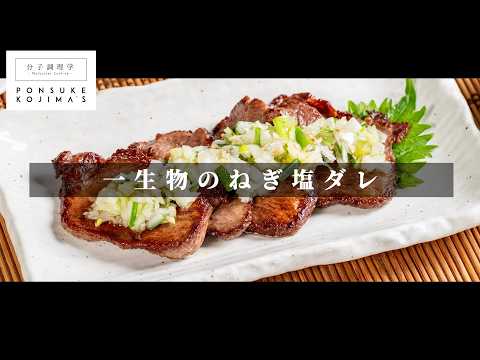
Ingredients
- 1green onion (approx. 180–200g)
- Whitesesame seeds, to taste
- 1tsp salt
- 2tsp sugar
- 4shakes of Ajinomoto (MSG)
- Sesameoil, to taste
About "The Ultimate Green Onion Salt Sauce"
A versatile green onion salt sauce recipe using just one green onion. From the perspective of molecular gastronomy, three key points—the way the green onion is cut, slightly heating it after seasoning, and mixing in the oil right before serving—make this simple recipe incredibly delicious. Seasoned with the golden ratio of 1 part salt, 2 parts sugar, and Ajinomoto, a precise 30-second microwave heating at 600W reduces harsh pungency while drawing out sweetness and aroma. Perfect as a refrigerator staple, this make-ahead sauce can be enjoyed as-is or customized into variations like a yakiniku-style sauce or a mock beef liver sashimi using seared bonito.
Introduction to こじまぽん助【分子調理学研究家】 →
Video Timestamps
Tips for Making "The Ultimate Green Onion Salt Sauce"
-
Prep
- Mince the green onion by making diagonal slits, flipping it over, making diagonal slits on the other side, and slicing from the end. Cutting the fibers from two directions easily releases its flavor and aroma.
-
Prep
- Do not mince the green part too finely; julienne vertically into 2mm strips, then chop into 3–5mm pieces. Keeping them coarse adds a rhythmic texture to the sauce.
-
Prep
- Wash away the slimy inner layer of the green onion, as it ruins the mouthfeel.
-
Seasoning
- Use the golden ratio of 1 part salt, 2 parts sugar, and Ajinomoto. For ~200g of green onions, use 1 tsp salt, 2 tsp sugar, and 4 shakes of Ajinomoto (based on 2 shakes per 100g of ingredients).
-
Prep
- After mixing with seasonings, let it sit for 3 minutes to draw out moisture from the green onions.
-
Heat control
- Cover loosely with plastic wrap and microwave (600W) for exactly 30 seconds. Any less leaves raw pungency, while any more destroys the aroma and dulls the green color.
-
Finishing
- Do not store with sesame oil and sesame seeds; mix them in right before serving. This extra step prevents oxidation and keeps the oil from getting watery.
-
Finishing
- Keep white sesame seeds minimal so they don't overpower the sauce. Adjust the amount of sesame oil based on the dish (less for tofu, more for fried chicken).
Ingredients for "The Ultimate Green Onion Salt Sauce"
6 items* Tap ingredient names to find on Amazon
How to Make "The Ultimate Green Onion Salt Sauce"
- 1
Cut off the dry tips of the green onion's green part. Separate the green and white parts, as they will be cut differently.
- 2
Mincing the white part: Make diagonal slits along the green onion, flip it over, make diagonal slits on the other side, and then slice finely from the end to mince.
- 3
Cutting the green part: Julienne vertically into 2mm strips, then chop into 3–5mm pieces (do not mince too finely). Wash away the slimy inner layer of the green onion.
- 4
Place all the white and green parts into a microwave-safe bowl. Add 1 tsp salt, 2 tsp sugar, and 4 shakes of Ajinomoto, then mix well until no powdery residue remains.
- 5
Let it sit for 3 minutes to draw out moisture from the green onions using the salt.
- 6
Cover the bowl loosely with plastic wrap (fold back a corner slightly for easy removal) and microwave at 600W for 30 seconds.
- 7
After heating, remove the plastic wrap and transfer the sauce directly to a storage container. Do not add sesame oil or white sesame seeds at this stage.
- 8
Right before serving, portion out the amount you want to eat, mix in a small amount of white sesame seeds and sesame oil to taste, and serve.
- 9
[Yakiniku/Salted Tongue Variation] Add a pinch of salt, 4–6 shakes of lemon juice, and extra white sesame seeds to the base sauce and mix.
- 10
[Mock Beef Liver Sashimi Variation] Sprinkle a pinch of Ajinomoto over sliced seared bonito (katsuo no tataki) and rub with grated garlic paste. Top generously with the green onion salt sauce, then drizzle with sesame oil and sprinkle with white sesame seeds.
Detailed Commentary on "The Ultimate Green Onion Salt Sauce"
* Content organized by topics from the video.
3 Keys to the Ultimate Green Onion Salt Sauce
Culinary researcher Kojima Ponsuke introduces the 'Ultimate Green Onion Salt Sauce' from the perspective of molecular gastronomy. Although the ingredients and techniques are simple, this recipe yields an incredibly delicious result. The three main keys are: the way the green onion is cut, slightly heating it after seasoning, and mixing in the oil right before serving. Keeping this versatile condiment in your fridge makes it incredibly handy for various dishes. Additionally, he shares two variations (yakiniku-style and mock beef liver sashimi) to optimize the sauce for specific dishes, making this a must-watch video to the very end.
Why the 'Diagonal Cut' is Best for Mincing
We start by mincing one green onion (approx. 180g–200g). The video introduces three common methods: making vertical slits and slicing, standing the onion up to make fine slits before slicing, and the highly recommended third method—making diagonal slits, flipping it over, making diagonal slits on the other side, and then slicing from the end. This method cuts the onion's fibers twice, making it easier to draw out its characteristic pungency and aroma. Leaving the green part attached also provides stability when flipping the onion. To gather the chopped onions on the cutting board, using a cheap and handy bench scraper is highly recommended.
Keeping the Green Part for Texture and Rhythm
Don't throw away the green part of the onion. Cut off the dry tips, halve the length, julienne vertically into 2mm strips, and then chop into 3–5mm pieces. Keeping them slightly coarse ensures a pleasant texture in the sauce. A key tip is to wash away the slimy inner layer of fresh green onions, as it ruins the mouthfeel. Combining the sweet, tender white part (cut diagonally) with the textured green part creates a 'rhythmic texture' in your mouth, dramatically elevating the overall flavor of the sauce.
The Golden Ratio: Salt 1, Sugar 2, MSG
Transfer all the chopped green onions to a microwave-safe bowl and season them. The golden ratio is '1 part salt, 2 parts sugar, and Ajinomoto,' which was also featured in the previous bean sprout namul recipe. For about 200g of green onions, add 1 tsp of salt and 2 tsp of sugar. The ideal amount of Ajinomoto is 4 shakes, calculated by multiplying 1/100th of the ingredient weight by 2 (e.g., 2 shakes for 100g, 6 shakes for 300g). Mix everything thoroughly until no powdery residue remains. The green parts add vibrant color, stimulating saliva production and digestion while enhancing juiciness. Once mixed, let it sit for 3 minutes to draw out moisture.
The Science Behind the 30-Second Microwave Hack
Once moisture begins to seep from the green onions after 3 minutes, cover the bowl loosely with plastic wrap. Folding back a corner slightly makes it easier to peel off later. Microwave at 600W for exactly 30 seconds. This 30-second mark is the ultimate heating time that Ponsuke discovered after testing various green onions for over 8 months. If left unheated, the raw pungency and grassy smell are too strong and overpower the dish. Conversely, heating for over a minute destroys the aroma and dulls the vibrant green color. A mere 30 seconds perfectly balances reducing harshness, drawing out sweetness, and preserving the bright color and rich flavor.
Add Oil Right Before Serving for Fresh Aroma
Once heated, the base sauce is complete. When storing, do not add oil; instead, portion out only what you need and mix in the sesame oil and white sesame seeds right before eating. This serves two crucial purposes. First, it prevents the delicate aroma of sesame oil from evaporating and protects it from oxidizing, which happens quickly if stored mixed with the onions. Second, it prevents the oil from becoming watery due to moisture released by the onions during storage. Keep the sesame seeds minimal so they don't overpower the sauce, and adjust the sesame oil based on the dish (less for tofu, more for fried chicken). This extra step ensures a fresh, aromatic sauce every time.
Two Exquisite Variations for Different Dishes
While this versatile green onion salt sauce is delicious on its own, customizing it for specific dishes elevates it even further. The first variation is 'Yakiniku/Salted Tongue Style.' Adding a pinch of salt, 4–6 shakes of lemon juice, and extra white sesame seeds to the base sauce enhances the saltiness and acidity, creating a punchy flavor that cuts through the richness of meat. The second variation is 'Mock Beef Liver Sashimi.' Sprinkle Ajinomoto directly onto sliced seared bonito to eliminate any fishy odor, rub with garlic paste, top generously with the green onion salt sauce, and finish with sesame seeds and sesame oil. The balance of the garlic paste's sweetness and seasonings transforms the bonito into a rich, savory dish reminiscent of authentic beef liver sashimi.
About こじまぽん助【分子調理学研究家】

こじまぽん助【分子調理学研究家】
15.6万人 subscribers ・ 家庭料理
* Opens YouTube channel
* Subscriber count is as of article creation and may differ from the current number.
