

Recipe
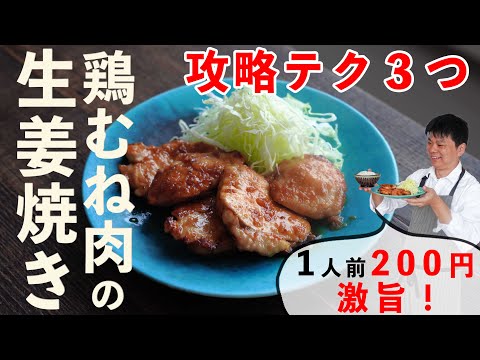
Mastering Juicy Chicken Breast Ginger Shogayaki with 3 Pro Techniques #Recipe #NaoyaHiguchi
Ingredients
- Chickenbreast: approx. 300g
- Sake:2 tbsp
- Ginger:2 knobs (20g)
- Flour:2 tbsp
- Vegetableoil: 2 tsp
- Soysauce: 2 tbsp
- Mirin:2 tbsp
- Sugar:1 tbsp
- Shichimitogarashi (seven-spice powder): a pinch
- Ricevinegar: 1/4 tsp
About "Chicken Breast Ginger Shogayaki"
An affordable and healthy recipe for Chicken Breast Ginger Shogayaki. Using three key techniques—cutting against the grain, retaining moisture with sake and ginger, and coating with flour—this recipe transforms easily-dried chicken breast into an incredibly tender and juicy dish. It's so delicious you might even prefer it over the classic pork version!
Introduction to 樋口直哉の料理論[Cooking theory] →
Tips for Making "Chicken Breast Ginger Shogayaki"
-
Prep
- Observe the direction of the muscle fibers, cut the breast in half along the central seam, and slice perpendicular to the fibers. Cut slightly thick to make it easier to flatten evenly later.
-
Prep
- Gently pound the meat to an even thickness similar to yakiniku meat. This breaks down muscle fibers and releases proteins that help retain moisture.
-
Prep
- Coat the meat with grated ginger and sake, then marinate for 10 minutes. Sake's mild acidity improves moisture retention, while ginger's enzymes tenderize the meat.
-
Seasoning
- Separate the seasoning into two stages—marinade (sake and ginger) and sauce (soy sauce, mirin, sugar)—to ensure a beautiful sear and preserve the ginger's potency.
-
Heat control
- Add oil to a cold pan before turning on the heat, and arrange the meat in a single layer. Cook primarily on one side until lightly browned, then flip.
-
Heat control
- Coat with flour to lock in the meat's natural juices. Avoid overcooking to prevent dryness, aiming for an internal temperature of around 70°C (158°F).
-
Finish
- Add a tiny splash of vinegar at the very end to sharpen and beautifully balance the overall flavor.
Ingredients for "Chicken Breast Ginger Shogayaki"
10 items* Tap ingredient names to find on Amazon
How to Make "Chicken Breast Ginger Shogayaki"
- 1
Cut the chicken breast
Examine the chicken breast and cut it in half along the central seam. Then, slice each piece perpendicular to the direction of the muscle fibers (against the grain). Cutting them slightly thick is key, as this makes it easier to flatten them to an even thickness later.
- 2
Pound the meat to an even thickness
Arrange the sliced chicken breast on a plate and cover with plastic wrap. Using a flat meat mallet, gently tap and flatten the meat, letting the weight of the mallet do the work. Instead of smashing it with force, gently stretch it out with repeated light taps. If you don't have a meat mallet, you can use an empty bottle. Aim for the thickness of yakiniku (Korean BBQ) meat.
- 3
Marinate with sake and ginger
Grate 2 knobs of ginger and mix with 2 tbsp of sake, then coat the flattened chicken breast evenly with this mixture. Sake is slightly acidic, which improves moisture retention, and the proteolytic enzymes in ginger become more active in this acidic environment, tenderizing the meat. Let it sit for about 10 minutes to allow the moisture and enzymes to penetrate.
- 4
Mix the sauce ingredients
In a bowl, combine 2 tbsp soy sauce, 2 tbsp mirin, and 1 tbsp sugar. Add a pinch of shichimi togarashi (seven-spice powder) to add a spicy accent to the mild chicken. The shichimi tightens the flavor, creating a delicious pairing similar to yakitori with shichimi. You can omit this if you prefer it not spicy.
- 5
Coat with flour
Dust the marinated chicken breast with 2 tbsp of flour. Using a tea strainer helps coat the meat evenly without clumping and keeps your hands clean. Coating the meat locks in its natural juices and ensures gentle cooking, keeping it juicy.
- 6
Cook in a cold pan
Add 2 tsp of vegetable oil to a cold frying pan and arrange the chicken pieces in a single layer without overlapping. Turn the heat to medium, and once you hear a sizzling sound, lower the heat slightly. Occasionally shake the pan to distribute the oil under the meat. Cook primarily on one side until lightly browned, then flip. Overcooking causes dryness, so aim for an internal temperature of around 70°C (158°F).
- 7
Add the sauce and finish
Once both sides are lightly cooked, stir the sauce mixture well to ensure no sugar is left at the bottom, then pour it all in at once. Coat the meat with the sauce as it heats; when the bubbles turn large and foamy, it's a sign the sauce has reduced. Add 1/4 tsp of rice vinegar as a final secret ingredient. Just a touch of acidity sharpens and beautifully balances the overall flavor.
- 8
Plate and serve
Mound a generous amount of shredded cabbage on a plate and top with the cooked ginger chicken. Pour the remaining sauce from the pan over the top and serve.
Food Science
By massaging sake into the easily-dried chicken breast and coating it with flour, you prevent moisture loss during cooking, resulting in a juicy finish. Additionally, combining the saltiness and umami of soy sauce, the sweetness of mirin and sugar, the spiciness of ginger and shichimi, and the acidity of a touch of vinegar at the end balances the five basic tastes, creating depth and dimension in the flavor profile.
Detailed Commentary on "Chicken Breast Ginger Shogayaki"
* Content organized by topics from the video.
3 Techniques to Overcome Dryness
While chicken breast is affordable and healthy, many struggle with it turning out dry or lacking flavor. Today, we introduce a Ginger Shogayaki recipe that incorporates three game-changing techniques to make chicken breast incredibly delicious. Once you master these tips, you can apply them to other chicken breast dishes like karaage or tempura. For 2 servings, prepare about 300g of chicken breast, 2 tbsp of sake and 2 knobs (20g) of ginger for the marinade, 2 tbsp of flour for coating, and 2 tsp of vegetable oil for cooking. For the sauce, you'll need 2 tbsp of soy sauce, 2 tbsp of mirin, 1 tbsp of sugar, a pinch of shichimi togarashi for an accent, and 1/4 tsp of rice vinegar to finish. Let's create an exquisite dish with simple ingredients!
Cutting Against the Grain
The first step to tender chicken breast lies in how you cut it. For hygiene, it's convenient to use a thin, easy-to-wash cutting board or a clean, opened milk carton. If you look closely at a chicken breast, you'll notice a central seam with muscle fibers running diagonally outward from it. If these fibers remain long, they make the meat feel tough and dry when chewed. To prevent this, first cut the breast in half along the central seam, then slice each piece perpendicular to the direction of the fibers to cut them short. Don't worry too much about getting the thickness perfect at this stage, as we will flatten them later. In fact, slicing them slightly thick makes it easier to achieve an even thickness in the next step.
Technique 1: Pound to Even Thickness
Arrange the sliced chicken breast on a plate or tray and cover with plastic wrap. This brings us to our first technique: pounding. Using a flat meat mallet, gently tap and flatten the meat, letting the weight of the mallet do the work. If you don't have a mallet, an empty bottle works perfectly. Instead of smashing the meat with force, think of gently stretching it out with repeated light taps. Pounding ensures the meat is of uniform thickness, which leads to even cooking. Furthermore, it breaks down the muscle fibers, releasing proteins from within. These released proteins hold onto the meat's natural moisture during cooking, resulting in an incredibly tender and juicy finish. Aim for the thickness of yakiniku meat.
Technique 2: Marinate with Sake and Ginger
Our second technique is marinating. Coat the flattened chicken breast with a mixture of 2 grated knobs of ginger and 2 tbsp of sake. Marinating meat in an acidic liquid improves its moisture retention and activates natural enzymes that tenderize the meat. The sake used here is slightly acidic, helping replenish moisture that is typically lost during cooking. Additionally, ginger contains a powerful proteolytic enzyme that becomes highly active in a slightly acidic environment. Combining sake and ginger maximizes this enzymatic action, making the meat even more tender. The refreshing aroma of ginger also enhances the flavor of the meat and stimulates the appetite. Let it sit for about 10 minutes to allow the moisture and enzymes to thoroughly penetrate.
Two-Stage Seasoning for Perfect Color
While the meat is marinating, prepare the sauce. In typical shogayaki recipes, the meat is often marinated in all the seasonings together or tossed in them at the very end. However, the Higuchi style splits this into two stages: 'marinade (sake and ginger)' and 'seasoning (soy sauce, mirin, and sugar)'. Marinating in soy sauce from the start makes it harder to get a beautiful sear and dilutes the ginger's tenderizing effect. In a bowl, combine 2 tbsp of soy sauce, 2 tbsp of mirin, and 1 tbsp of sugar. Add a pinch of shichimi togarashi to give the mild chicken a spicy kick. The shichimi sharpens the flavor, offering a wonderful pairing reminiscent of yakitori. You can omit it if you prefer, but this small touch elevates the dish.
Technique 3: Flour Coat and Cold Start
Our final technique is coating. Dust the marinated meat with 2 tbsp of flour. Using a tea strainer ensures an even coat without clumping and keeps your hands clean. The flour coating locks in the meat's natural juices and ensures gentle cooking, keeping it juicy. Additionally, the flour combines with the sauce added later to create a perfect glaze that clings to the meat. The cooking method also has a secret: add 2 tsp of vegetable oil to a cold pan and arrange the meat in a single layer before turning on the heat. Turn to medium heat, and once it starts sizzling, lower the heat slightly. Shake the pan occasionally to distribute the oil. Cook primarily on one side until lightly browned, then flip. Overcooking causes dryness, so aim for an internal temperature of around 70°C (158°F).
A Splash of Vinegar to Finish
Once both sides are lightly cooked, stir the sauce well to ensure no sugar is left at the bottom, then pour it all in at once. Adding the sauce lowers the pan's temperature, slowing down the cooking process. Coat the meat with the sauce as it heats; when the bubbles turn large and foamy, it's a sign the sauce has reduced. Add 1/4 tsp (a few drops) of rice vinegar as a final secret ingredient. Just a touch of acidity sharpens and beautifully balances the overall flavor. Mound a generous amount of shredded cabbage on a plate, top with the cooked ginger chicken, and pour the remaining sauce over it. Tasting his creation, Higuchi-san took a bite after tapping the chicken on his rice. 'This is amazing. I might actually prefer this over pork shogayaki,' he said, thoroughly satisfied with the tender, juicy results.
About 樋口直哉の料理論[Cooking theory]
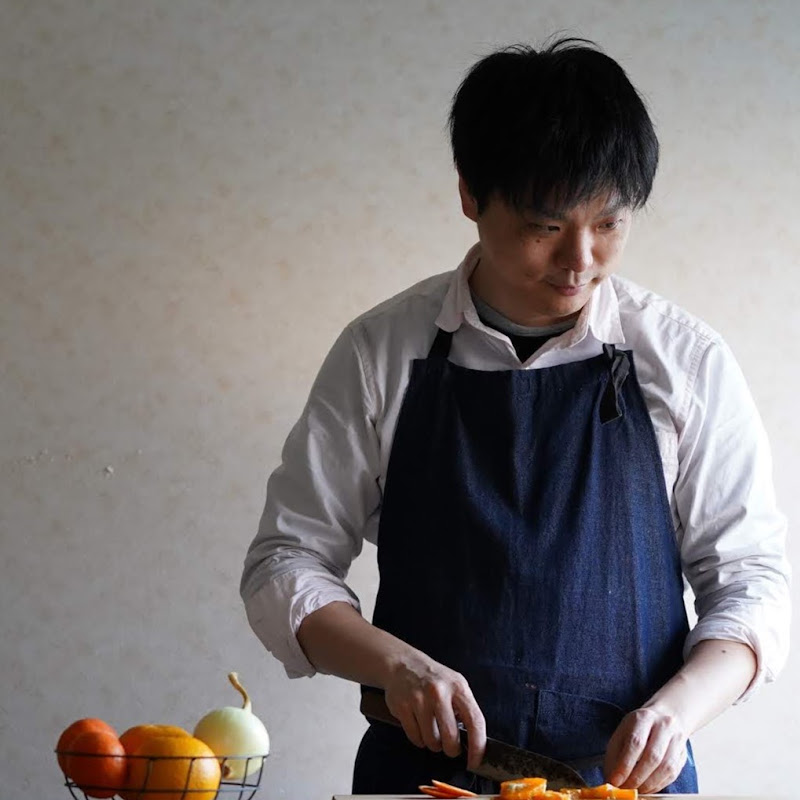
樋口直哉の料理論[Cooking theory]
7.9万人 subscribers ・ 家庭料理/調理科学
* Opens YouTube channel
* Subscriber count is as of article creation and may differ from the current number.
