

Recipe
Does Freshness Ruin Sushi? Why White Fish Must Be Aged
Ingredients
- Morning-caughtsea bream (ikejime-treated) 1 whole fish
- Saltto taste
- Icewater to taste
About "Aged White Fish Nigiri Sushi (Sea Bream)"
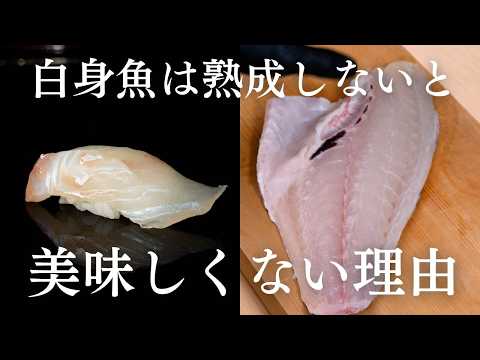
Nigiri sushi made with morning-caught sea bream that is ikejime-treated, salted to dehydrate, and aged for 3 days in saltwater ice water. The tough, crunchy texture of ultra-fresh white fish is actually unsuited for sushi. By breaking down muscle fibers through aging, we draw out deep umami and create a perfect harmony with the sushi rice, which is the true secret to authentic nigiri.
Introduction to 蒼の鮨 sushi-chef ao →
Tips for Making "Aged White Fish Nigiri Sushi (Sea Bream)"
-
Prep
- Fresh white fish is too tough for sushi; aging is essential to harmonize with the rice.
-
Prep
- Ikejime prevents muscle degradation, keeping the fish in the perfect state for aging.
-
Dehydration
- Salting extracts excess moisture, preventing bacterial growth and loss of umami.
-
Storage
- Vacuum sealing and saltwater ice storage prevent oxidation and stabilize aging.
-
Aging
- A 3-day age allows enzymes to break down fibers, maximizing umami and creating a melt-in-the-mouth texture.
Ingredients for "Aged White Fish Nigiri Sushi (Sea Bream)"
3 items* Tap ingredient names to find on Amazon
- Morning-caughtsea bream (ikejime-treated) 1 whole fish
- Saltto taste
- Icewater to taste
How to Make "Aged White Fish Nigiri Sushi (Sea Bream)"
- 1
Ikejime and Freshness Check
Performing ikejime on morning-caught sea bream prevents muscle degradation and self-digestion. The fish should have strong elasticity and not tear even when bent firmly.
- 2
Removing Ribs and Pin Bones
Remove the ribs and pin bones from the freshly caught sea bream. At this stage, the flesh is extremely firm with a crunchy texture, which is not yet suitable for sushi.
- 3
Salting and Dehydration
Sprinkle salt on a tray and evenly over the sea bream fillets. Tilt the tray at an angle in the refrigerator for about 1 hour so the extracted moisture drains downward. After 1 hour, ensure moisture has pooled at the bottom.
- 4
Wiping Surface Moisture
After dehydration, carefully wipe off any excess moisture from the surface of the sea bream with paper towels.
- 5
Vacuum Sealing and Ice Water Storage
Place the sea bream fillets in a bag and remove as much air as possible. If you don't have a vacuum sealer, you can gently suck the air out of the bag to create a basic vacuum. Once sealed, submerge the bag in saltwater ice water. This maintains a stable, lower temperature than a standard refrigerator, slowing down changes in the flesh and preventing fishy odors.
- 6
Aging for 3 Days
Age the fish in the saltwater ice water for 3 days. During aging, enzymes break down the muscle fibers, making the flesh soft and sticky. The transparency fades slightly to a dull white, which is a sign of concentrated umami, not spoilage. The red color near the skin and the fat remain intact.
- 7
Skinning and Quality Check
Skin the aged sea bream after 3 days. Confirm that the red color near the skin remains beautiful and the fat is well-preserved. The entire fillet should have a sticky, tender texture.
- 8
Slicing the Sushi Topping
Slice the aged sea bream into pieces for nigiri. Since the flesh has become very soft through aging, slicing requires careful technique.
- 9
Shaping the Nigiri
Shape the nigiri with the sliced aged sea bream. The flesh is so soft that you can feel the outstanding harmony between the topping and the rice as you shape it. The fat rises slightly to the surface, creating a beautiful, glossy finish.
- 10
Tasting and Texture Check
Taste the aged sea bream nigiri. The umami is maximized, the crunchy texture is gone, and it melts gently in your mouth in perfect harmony with the rice. Experience a level of unity that fresh fish simply cannot provide.
Food Science
Aging white fish allows naturally occurring enzymes to break down proteins into amino acids like glutamate, while ATP degrades into inosinic acid, a key umami compound. Additionally, salting controls moisture through osmosis, drawing out excess water to firm up the flesh and concentrate the umami, which significantly enhances both texture and flavor.
Detailed Commentary on "Aged White Fish Nigiri Sushi (Sea Bream)"
* Content organized by topics from the video.
Freshness vs. Sushi: Why White Fish Must Be Aged
While people generally believe that fresher fish is always better, that is not always the case in the world of sushi. From a sushi chef's perspective, white fish in particular becomes incomparably more delicious when properly aged rather than served fresh. The crunchy texture of freshly caught fish is appealing, but there is a deep reason why it doesn't work well when paired with sushi rice. Using morning-caught sea bream as an example, I will explain why fresh fish is unsuited for sushi and when it reaches its peak flavor, combining practical steps with scientific reasoning.
Why Fresh Sea Bream is Unsuited for Sushi
Today, we have a sea bream that was caught this morning and ikejime-treated. Ikejime prevents muscle degradation and self-digestion, keeping the fish in the perfect state for aging to draw out umami. This fish is incredibly fresh, with strong elasticity that prevents flesh tearing even when bent firmly. However, if we remove the ribs and pin bones at this stage and taste it, the texture is very firm and crunchy. While this is perfect for sashimi or carpaccio, when made into sushi, the tough flesh and soft sushi rice separate in your mouth, ruining the harmony. This is why aging is essential for sushi.
Step 1: Careful Dehydration with Salt
To prepare the fish for sushi, we must first perform dehydration to remove excess moisture. If too much moisture remains, bacteria can easily multiply during aging, and the umami will drain away with the water. Sprinkle salt on a tray and evenly over the sea bream fillets. Place this in the refrigerator for about 1 hour to dehydrate. The key trick here is to tilt the tray at an angle so that the moisture extracted from the sea bream drains downward. After an hour, you will see a significant amount of water pooled at the bottom, showing successful dehydration.
Preventing Oxidation: Vacuum and Ice Water
After dehydration, carefully wipe off any excess surface moisture with paper towels. Next, place the sea bream in a bag and remove as much air as possible. If you don't have a vacuum sealer, you can gently suck the air out of the bag to create a basic vacuum. Sealing the fish prevents oxidation and bacterial growth, creating a stable aging environment. Finally, submerge the bag in saltwater ice water. This method keeps the temperature consistently lower and more stable than a standard refrigerator, allowing the flesh to age gently while preventing any fishy odors.
The Dramatic Transformation After 3 Days
This is the sea bream aged for 3 days. After wiping off excess moisture, you can see that the muscles have relaxed over time, making the fibers tender and moist. As enzymes break down the muscle fibers during aging, the transparency of the flesh fades slightly to a dull white. This is not spoilage, but proof that it is packed with umami. When skinned, the red color near the skin remains beautiful even after 3 days, and the fat is well-preserved. While we don't use the fibrous tail end at the restaurant, the rest of the flesh is wonderfully sticky and tender, requiring a bit of skill to slice.
Shaping the Nigiri: Melting Harmony
Now, we shape the aged sea bream into nigiri. The sliced fish is incredibly soft, and as you shape it, you can feel the outstanding harmony between the topping and the sushi rice. The natural fat of the sea bream rises beautifully to the surface, creating a glossy, mouthwatering finish. Tasting it, you can feel that the inherent sweetness and umami of the sea bream have been maximized through aging. The crunchy texture is completely gone; instead, it melts gently in your mouth, perfectly synchronized with the rice. This reaffirms that aging is absolutely essential to enjoy white fish as sushi.
The Chef's Role: Optimizing the Ingredients
As demonstrated with this sea bream, aging white fish relaxes the muscle fibers, unlocks deep umami, and creates a perfect harmony with sushi rice. For a fish of this size, at least 3 days of aging is required, but for larger fish like longtooth grouper, an even longer aging period and precise judgment are necessary. Simply using fresh fish as-is does not make truly delicious sushi. Understanding the unique characteristics of each fish and preparing it to its absolute peak state for sushi is the true essence and pride of a sushi chef's craft.
About 蒼の鮨 sushi-chef ao

蒼の鮨 sushi-chef ao
3.2万人 subscribers ・ 和食/寿司
* Opens YouTube channel
* Subscriber count is as of article creation and may differ from the current number.
