

Recipe
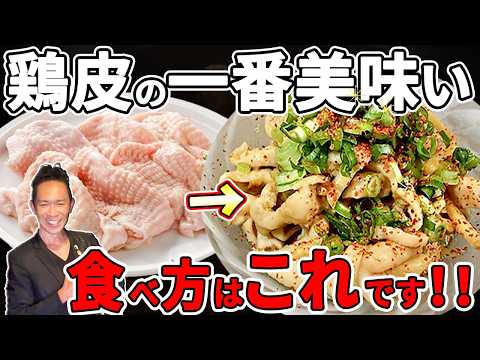
Izakayas Will Go Out of Business! The Ultimate Tender Ginger Miso Chicken Skin Recipe
Ingredients
- Chickenskin: 300g
- Ginger(for grating): 30g
- Ginger(julienned): to taste (for the sauce)
- Greenonions: to taste
- Redchili pepper: 1/2
- Ichimichili powder: to taste
- Bakingsoda (for prep): 1g (a pinch)
- Salt(for prep): 2g (two pinches)
- Sake:just under 3 tbsp (approx. 45ml)
- Mirin:4 tbsp (approx. 60ml)
- Miso:1 tbsp
- Soysauce: 1 tbsp
- Ponzu:1 tbsp
About "Ginger Miso Simmered Chicken Skin"
Prep 300g of chicken skin by massaging it with baking soda, grated ginger, and salt, then let it rest in the refrigerator for 30 minutes to remove odors and excess moisture. After a quick 30-second blanch in boiling water to remove excess fat, simmer it for 3 to 5 minutes in a pan with a sauce made of sake, mirin, miso, soy sauce, and ponzu, along with julienned ginger. This scientific approach shifts the pH to the alkaline side with baking soda and the acidic side with ponzu, boosting the chicken skin's water-holding capacity so it absorbs rich flavors in a short time. Serving 2 to 3 people for only about 300 yen, this budget-friendly recipe delivers an izakaya-quality texture that is both pleasantly chewy and melt-in-your-mouth tender.
Introduction to 予約7年待ち「肉の鬼才」森田隼人の料理研究所 →
Tips for Making "Ginger Miso Simmered Chicken Skin"
-
Prep
- Discard any excess liquid from the package and transfer only the chicken skin to a bowl before starting the prep.
-
Prep
- Adding 1g (a pinch) of baking soda shifts the pH of the chicken skin to the alkaline side, increasing water retention and preventing shrinkage during cooking. The baking soda smell is neutralized by the ginger added later.
-
Prep
- Always use freshly grated ginger. Tubed ginger loses its tenderizing enzymes (zingibain) due to heat processing during manufacturing.
-
Prep
- Lightly scrub the ginger skin with a crumpled piece of aluminum foil to cleanly peel only the thin outer skin without wasting any ginger.
-
Prep
- Massage 30g of grated ginger and 2g of salt into the chicken skin. Salt activates the enzymes and helps draw out moisture. Wrap in paper towels and rest in the fridge for 30 minutes.
-
Science
- The enzyme 'zingibain' in ginger is mild and acts gently on the collagen in chicken skin, tenderizing it without ruining the texture, unlike strong enzymes in pineapple, kiwi, or maitake mushrooms.
-
Science
- Adding ponzu to the sauce shifts the pH to the acidic side. Combined with the baking soda, this dual-sided approach to the isoelectric point maximizes water retention.
-
Blanching
- Blanch the chicken skin in 1L of boiling water for just 30 seconds. This removes excess fat, sliminess, and off-flavors, tightening the texture to make it tender.
-
Blanching
- Do not shock the chicken skin in cold water after blanching. Cooling it washes away flavor, and since it will be reheated anyway, proceed while it is still warm.
-
Heat control
- Warm the ginger in the sauce over low heat first, then add the chicken skin and simmer over medium-high heat for 3 to 5 minutes to reduce the liquid and coat the skin.
-
Cutting
- After blanching, cut the chicken skin into strips about 4 times the size of the julienned ginger.
-
Seasoning
- Golden ratio for the sauce: just under 3 tbsp sake, 4 tbsp mirin, 1 tbsp miso, 1 tbsp soy sauce, and 1 tbsp ponzu.
Ingredients for "Ginger Miso Simmered Chicken Skin"
13 items* Tap ingredient names to find on Amazon
- Chickenskin: 300g
- Ginger(for grating): 30g
- Ginger(julienned): to taste (for the sauce)
- Greenonions: to taste
- Redchili pepper: 1/2
- Ichimichili powder: to taste
- Bakingsoda (for prep): 1g (a pinch)
- Salt(for prep): 2g (two pinches)
- Sake:just under 3 tbsp (approx. 45ml)
- Mirin:4 tbsp (approx. 60ml)
- Miso:1 tbsp
- Soysauce: 1 tbsp
- Ponzu:1 tbsp
How to Make "Ginger Miso Simmered Chicken Skin"
- 1
Remove the chicken skin from the package, discard any excess liquid instead of pouring it into the bowl, and transfer only the chicken skin to a bowl.
- 2
Add 1g of baking soda to the bowl and massage lightly to distribute it evenly.
- 3
Lightly scrub and peel the ginger skin using a crumpled piece of aluminum foil. Grate 30g of it, add it to the chicken skin, and massage further.
- 4
Add 2g of salt and massage thoroughly once more to combine everything well.
- 5
Line a tray with paper towels, spread the chicken skin out, cover it with another paper towel, and let it rest in the refrigerator for 30 minutes.
- 6
While resting, prepare the sauce. In a frying pan, combine just under 3 tbsp sake, 4 tbsp mirin, 1 tbsp miso, 1 tbsp soy sauce, 1 tbsp ponzu, and 1/2 red chili pepper, then mix well.
- 7
Slice the remaining ginger into 4mm slices, julienne them, and add them to the sauce from step 6.
- 8
Remove the chicken skin from the refrigerator (it is normal for the paper towels to be completely soaked).
- 9
Place the chicken skin in 1L of boiling water, blanch for just 30 seconds to 1 minute, then remove and drain. Do not shock in cold water.
- 10
Transfer the blanched chicken skin to a cutting board and cut it into strips, aiming for about 4 times the size of the julienned ginger.
- 11
Heat the pan with the sauce over low heat to warm the ginger, then add the chicken skin. Simmer over medium-high heat for 3 to 5 minutes, reducing the sauce while coating the chicken skin evenly.
- 12
Once the sauce is nicely coated, transfer to a serving dish, garnish with green onions and ichimi chili powder to taste, and serve.
Detailed Commentary on "Ginger Miso Simmered Chicken Skin"
* Content organized by topics from the video.
A Pre-Payday Savior! Ultimate Budget Recipe
Chef Morita's YouTube channel. This time, in response to a request from the filming staff who wanted a delicious, budget-friendly dish before payday, he proposes a recipe using "chicken skin," the ultimate budget ingredient. The staff admits they have never bought it because it's too cheap, but Chef Morita is highly confident, saying, "Chicken skin is actually an amazing ingredient that becomes incredibly delicious depending on how you prepare it." Using chicken skin that costs only 98 yen per 100g (just 294 yen for 300g), he transforms it into an exquisite dish that would make any izakaya jealous. The key points this time are completely eliminating the unique odor of chicken skin, retaining a perfect chewy texture, and achieving a melt-in-your-mouth tenderness in a short time as if it had been simmered for hours. This ultimate recipe showcases Chef Morita's scientific approach, ensuring success for anyone who makes it.
Why Ginger? The Enzyme Secret to Perfect Texture
While "enzyme cooking" is a well-known method for tenderizing meat, there is a major pitfall when cooking chicken skin. Strong enzymes that Chef Morita often uses—such as bromelain in pineapple, actinidin in kiwi, or protease in maitake mushrooms—are too powerful for thin chicken skin, breaking down its structure and ruining the texture. This is where the enzyme "zingibain" found in ginger comes in. Zingibain has a very mild effect and acts gently on collagen, the main component of chicken skin, tenderizing it without compromising its texture. Furthermore, this recipe incorporates a scientific technique of shifting the pH (isoelectric point) to both alkaline and acidic sides to maximize the chicken skin's water-holding capacity, locking in rich flavors.
Baking Soda & Ginger: Odor Removal & Hydration
First, prep 300g of chicken skin. Since chicken skin released from the package contains excess moisture, discard this liquid and transfer only the chicken skin to a bowl. Add 1g (a pinch) of baking soda to shift the isoelectric point, which improves water retention and prevents shrinkage during cooking. Don't worry about the distinct smell of baking soda, as it will be completely neutralized by the ginger added later. Next, lightly scrub and peel the ginger skin using a crumpled piece of aluminum foil. This method allows you to cleanly peel only the thin outer skin without wasting any ginger. Be sure to use freshly grated ginger rather than tubed ginger, as the heat processing during the manufacturing of tubed ginger deactivates the enzymes, losing its tenderizing effect.
Golden Ratio Sauce & Timing the Ginger Enzymes
Add 30g of grated ginger to the chicken skin, along with 2g of salt to further activate the enzymes and draw out excess moisture. Massage everything thoroughly, spread it out on a tray lined with paper towels, cover it with another paper towel, and let it rest in the refrigerator for 30 minutes. Meanwhile, prepare the sauce that defines the flavor. In a frying pan, combine just under 3 tbsp (45ml) sake, 4 tbsp (60ml) mirin, 1 tbsp miso, 1 tbsp soy sauce, and 1 tbsp ponzu, which shifts the isoelectric point to the acidic side to enhance water retention. Add ichimi chili powder to taste, and toss in the remaining ginger, sliced into 4mm strips. These julienned ginger strips will provide a wonderful accent when eaten with the chicken skin later.
The 30-Second Blanch: Removing Excess Fat
When you take the chicken skin out of the refrigerator after 30 minutes, you will find the paper towels completely soaked. This is the unnecessary moisture that causes the unpleasant odor. Next, place the chicken skin into 1L of boiling water and blanch it for just 30 seconds. This quick blanching removes excess fat, sliminess, and off-flavors, transforming the flabby chicken skin into a beautifully firm and tender texture. Once blanched, immediately remove the chicken skin and drain the excess water. While some recipes call for shocking it in cold water, there is no need to do so here since it will be combined with the warm sauce. Shocking it would wash away the flavor, and since it will be heated again, you can proceed directly to the next step while it is still warm.
Simmer & Reduce: Quick Flavor Infusion
Transfer the blanched chicken skin to a cutting board and cut it into bite-sized strips. Even just touching it at this stage, you can feel how incredibly soft and tender it has become. When the staff tries a piece before seasoning, they are amazed, saying, "It's so tender and has absolutely no odor!" Toss the sliced chicken skin into the frying pan with the sauce and julienned ginger. Turn the heat to medium-high and simmer for 3 to 5 minutes to reduce the liquid and coat the chicken skin. Since chicken skin does not absorb liquid easily, the key is to simmer it until the sauce reduces and clings beautifully to the skin. You can also add napa cabbage or eggplant if you like. Once the sauce is well coated, plate the dish and garnish with green onions and ichimi chili powder.
Tasting Time! Better Than an Izakaya
Finally, it's time to taste the simmered chicken skin. Taking a bite, Chef Morita praises it enthusiastically: "So good! This is amazing! If people can eat this at home, they'll stop going to izakayas!" The staff can't stop eating either, commenting, "It has a perfect chewiness yet is incredibly tender, and the flavor is so deep you wouldn't believe it was only simmered for 5 minutes." The julienned ginger serves as the perfect accent, and the triple approach of baking soda, salt, and ginger completely eliminates any odor. Finally, Chef Morita reviews the golden formula: "For 300g of chicken skin, just prep with a pinch of baking soda, 30g of ginger, and 2g of salt for 30 minutes, blanch for 30 seconds, and simmer for 3 to 5 minutes." By following this scientifically backed process, anyone can make a flawless, restaurant-quality chicken skin dish at home.
About 予約7年待ち「肉の鬼才」森田隼人の料理研究所
予約7年待ち「肉の鬼才」森田隼人の料理研究所
17.1万人 subscribers ・ 和牛・肉料理
* Opens YouTube channel
* Subscriber count is as of article creation and may differ from the current number.
