

Recipe
Why So Many Hirezake Are Disappointing | It's Not Just Fins in Sake

Ingredients
- Blowfishfins (from cleaned blowfish)
- Sake,to taste
About "Hirezake (Sake with Blowfish Fin)"
Hirezake (sake with blowfish fin) is not just putting a fin into sake; it is a true "dish" that involves prep, drying, grilling, sake selection, and temperature control. To avoid any fishy smell or bitterness, the blowfish fin must be carefully prepped and grilled to a fragrant finish without burning. Selecting the right sake and managing the temperature precisely will maximize its aroma and flavor.
Tips for Making "Hirezake (Sake with Blowfish Fin)"
-
Prep
- Removing any remaining flesh at the base of the fin is a golden rule to prevent fishy odors. Split the fin in half to thin out thick parts before drying.
-
Drying
- Drying the fins completely allows moisture to evaporate from both sides during grilling, releasing a rich aroma. Wild blowfish fins feather out like a brush when dried.
-
Grilling
- Aim for browning, as burnt spots cause bitterness. Completely remove moisture until the grilled fin snaps crisply when bent.
-
Sake Selection
- Kimoto and Yamahai styles are unsuitable because they become acidic when heated. It is crucial to select a sake that pairs well with hirezake.
-
Temp Control
- Do not burn off the alcohol; instead, use the proper temperature to maximize the fin's aroma and flavor. Do not overheat the sake carafe close to 100°C (212°F).
Ingredients for "Hirezake (Sake with Blowfish Fin)"
2 items* Tap ingredient names to find on Amazon
How to Make "Hirezake (Sake with Blowfish Fin)"
- 1
Prep the Blowfish Fins
Cut off the blowfish tail fin, then slice it down the middle to split it in half. Scrape off any remaining flesh at the base as cleanly as possible. This ensures even drying and helps release a rich aroma when grilled.
- 2
Dry the Fins
Thoroughly dry the prepped blowfish fins. If using wild blowfish, the tips of the dried fins will split and feather out like a brush.
- 3
Grill the Fins
Grill the fins on low heat in a toaster oven or a combi steamer until fragrant without burning them. Browning is different from burning; burning creates an unpleasant bitterness. Completely remove moisture until the grilled fin snaps crisply when bent.
- 4
Select the Sake
Choose a sake that pairs well with the fins. Kimoto or Yamahai styles are unsuitable because they become too acidic at high temperatures. Choosing the wrong sake will ruin the final drink.
- 5
Heat the Sake and Add the Fins
Heat the sake to the proper temperature. Be careful with the temperature control; heating it close to 100°C (212°F) in a sake carafe (tokkuri) will cause the alcohol to evaporate. Place the grilled fin in the sake and serve at a temperature that maximizes its aroma and flavor.
Food Science
Slowly grilling the blowfish fin triggers the Maillard reaction, creating a savory, toasted aroma. Pouring hot sake over it efficiently extracts the amino acids (umami components) and aromatic compounds from the fin into the sake. The combination of the sake's natural umami (such as succinic and glutamic acids) with the extracted umami from the fin creates a synergistic effect, resulting in a deeply rich and flavorful cup.
Detailed Commentary on "Hirezake (Sake with Blowfish Fin)"
* Content organized by topics from the video.
The Chef's Philosophy: Hirezake is a 'Dish'
According to the head chef, who has 50 years of experience in Japanese cuisine, hirezake, kotsu-zake (bone sake), and shirako-zake (milt sake) are not just sake with ingredients thrown in; they are true 'dishes' with clear intentions and processes. However, the chef points out that there are far too many disappointing versions out there. For example, some have burnt bits of fin floating on top that get into your mouth when you sip, while others smell fishy as soon as they cool down slightly. The chef loves sake and enjoys hirezake in the winter, but he is concerned that many restaurants serve it without treating it as a culinary dish. Rather than dismissing hirezake as just a drink, treating it with meticulous prep and proper cooking techniques is what makes a truly delicious cup.
Meticulous Prep and the Role of Tools
To make delicious hirezake, how you clean and prep the fins of the cleaned blowfish before drying and grilling is extremely important. You sometimes see people searing the fins with a lighter at bar counters, but the chef considers this a highly disappointing practice. Blowfish sake comes in three types: hirezake, kotsu-zake, and shirako-zake, each with a different role. Hirezake is about 'aroma,' kotsu-zake is about 'flavor depth,' and shirako-zake is characterized by its 'creaminess' from a unique preparation method. There is a clear progression here; if you cannot master the basic prep for hirezake, you can never make shirako-zake. To finish shirako-zake, special tools like an ultra-fine strainer (traditionally made of horsehair) are used to create an exquisite, velvety texture akin to low-fat fresh cream.
Sake Selection and Temperature Control
The sake used for hirezake cannot be just any bottle. The chef strongly asserts that 'choosing the wrong sake will ruin everything.' For instance, Kimoto or Yamahai sakes are completely unsuitable because they develop an unpleasant acidity when heated to high temperatures. Also, while people often talk about 'lighting the sake on fire to burn off the alcohol,' hirezake is not meant to have its alcohol burned off. Instead, a precise temperature is maintained so that the aroma and flavor of the perfectly prepared fins or bones are fully extracted in the hot liquid. Choosing the right vessel to lock in the flavor is also crucial, whether using a specialized cup with a metal lid or a tokkuri (sake carafe). Since heating sake close to 100°C (212°F) in a tokkuri causes the alcohol to escape, you must choose your tools wisely based on culinary judgment.
Fin Prep and Telling Wild from Farmed
Using the tail fin of a blowfish that the chef has filleted and dried as an example, the fin prep method is explained. After cutting off the tail fin, you slice down the middle to split it in half before drying. Thinning out the thick parts this way allows it to dry completely, ensuring moisture evaporates from both sides during grilling to release a rich aroma. If any blowfish flesh remains at the base of the fin, it dries unevenly and causes a fishy smell, so scraping the flesh off completely is a golden rule of prep. The chef also shares an interesting piece of trivia: if the tips of the dried fins split and feather out like a brush, it is proof of a wild blowfish. Farmed blowfish fins never look like this. This professional technique allows one to distinguish wild from farmed blowfish just by looking at the tail fin when sourcing ingredients.
Grilling Fins to Extract Umami Without Bitterness
The process of grilling the fins is also filled with professional dedication. The grilled fins must have their moisture completely removed until they snap crisply when bent gently. The most important point here is that browning and burning are entirely different. If you burn the fin, it will release an unpleasant bitterness when placed in the sake. Instead of burning, evenly 'toasting' the entire fin extracts only the savory aroma and umami. While the chef used to grill them over charcoal, he now uses a modern combi steamer, which allows precise temperature control and circulates air to grill them evenly. This device makes it possible to grill them to perfection without burning. For home cooking, slowly grilling them on low heat in a toaster oven works as a great alternative.
Kotsu-zake Prep and Storing Blowfish Green Onions
The blowfish meat used for kotsu-zake (bone sake) is cut into chunks and dried slowly over a whopping three weeks. It is then grilled for about 40 minutes to completely remove moisture, finishing it to a crispy texture. This meat is soaked in tamasake (a 1:1 mixture of boiled water and sake) and carefully washed 3 to 4 times to remove any blood. Steeping this prepped meat in hot sake for about 2 minutes transfers a rich flavor and depth to the sake, creating an exquisite kotsu-zake. Additionally, the chef shares his storage method for Yasuoka green onions (blowfish green onions), an essential condiment for blowfish dishes. The chef stores these highly expensive green onions in cut plastic bottles. Keeping them upright in a refrigerator of the same height as a 1.8-liter sake bottle makes them last surprisingly long, keeping them crisp and delicious whenever served.
About 大将に聞いてみた!
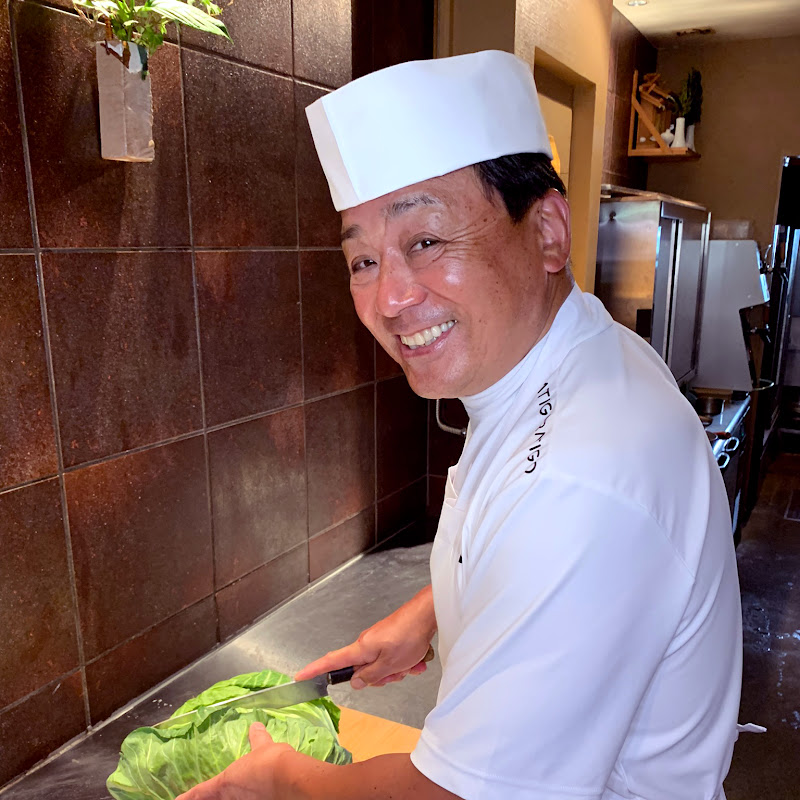
大将に聞いてみた!
2.1万人 subscribers ・ 日本料理・和食
* Opens YouTube channel
* Subscriber count is as of article creation and may differ from the current number.
